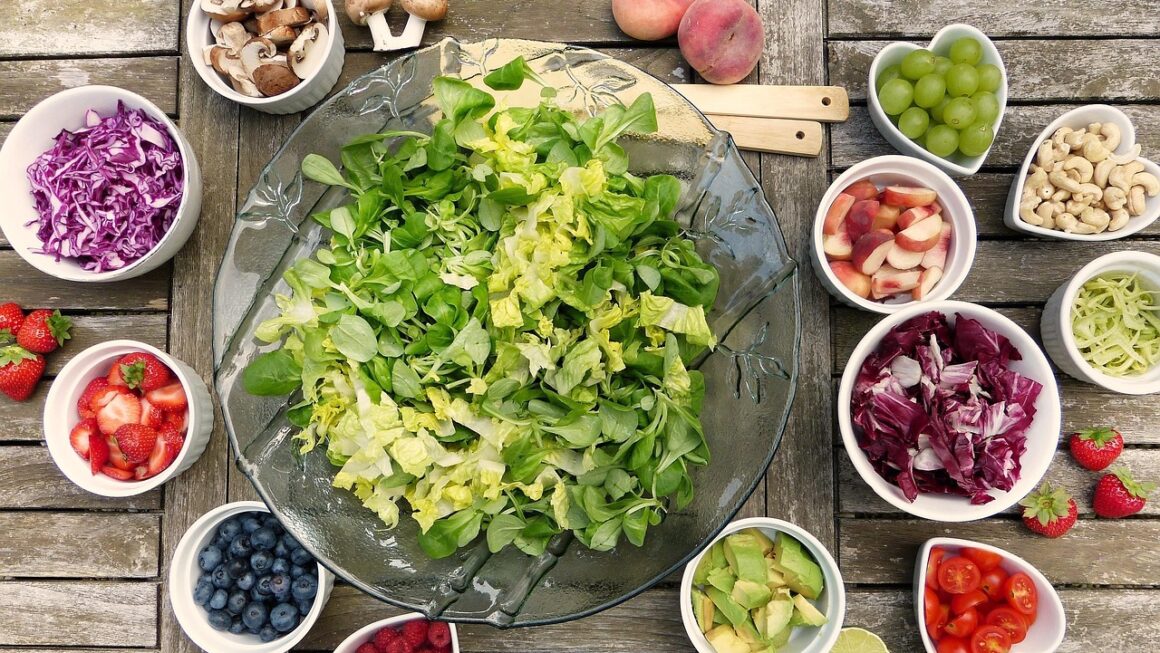
It can feel overwhelming to maintain a healthy, plant-based diet amidst a busy schedule. The constant decision-making about what to cook, the time spent in the kitchen each day, and the temptation of convenient, less healthy options can derail even the best intentions. This is where vegan meal prep comes to the rescue, transforming your eating habits by making nutritious, delicious, and sustainable meals a seamless part of your week. Dive into the world of strategic plant-based cooking and discover how easy it is to fuel your body with vibrant, wholesome food, saving you time, money, and stress along the way.
Why Embrace Vegan Meal Prep?
Vegan meal prep isn’t just a trend; it’s a powerful lifestyle hack that brings a multitude of benefits to your health, wallet, and the planet. By dedicating a few hours once or twice a week, you can ensure a week full of wholesome, plant-based meals ready to go.
Unrivaled Health Benefits
- Optimized Nutrient Intake: Prepping allows you to meticulously plan balanced meals, ensuring you get a wide array of vitamins, minerals, and fiber from diverse plant sources. You can focus on whole foods, reducing processed items.
- Weight Management: Having healthy, portion-controlled meals readily available helps prevent impulsive, less healthy food choices, supporting your weight management goals naturally.
- Consistent Energy Levels: Plant-based meals often lead to more stable blood sugar and sustained energy throughout the day, avoiding the crashes associated with heavy, processed foods.
Time and Cost Savings
- Reclaim Your Time: Imagine not having to cook from scratch every day. Meal prepping consolidates cooking time, freeing up your evenings and weekdays for other activities. A typical prep session might take 2-3 hours for a week’s worth of meals.
- Budget-Friendly Eating: Buying ingredients in bulk, planning meals around sales, and reducing food waste significantly cuts down your grocery bill. Eating out less frequently also contributes to substantial savings.
Environmental and Ethical Impact
- Reduced Food Waste: By planning and using up ingredients efficiently, you minimize food spoilage, contributing to a more sustainable household.
- Lower Carbon Footprint: A plant-based diet inherently has a lower environmental impact than one rich in animal products. Meal prepping makes sticking to this sustainable choice easier and more consistent.
- Ethical Alignment: For many, veganism is an ethical choice. Meal prep helps maintain this commitment with convenience.
Stress Reduction and Enhanced Consistency
- Decision Fatigue Elimination: No more “what’s for dinner?” debates. Your meals are planned, prepared, and ready, reducing daily mental load.
- Promotes Healthy Habits: Consistency is key to habit formation. Having healthy vegan options always at hand makes it easier to stick to your dietary goals, even when life gets hectic.
Essential Vegan Meal Prep Staples & Tools
Setting yourself up for successful vegan meal prep begins with a well-stocked pantry and the right kitchen equipment. These essentials will simplify your cooking process and broaden your recipe horizons.
Pantry Must-Haves for Plant-Based Power
A smart vegan pantry is the foundation of efficient meal prep. Stocking up on these items will ensure you always have ingredients for a nutritious meal:
- Grains: Quinoa, brown rice, oats, whole wheat pasta, couscous. These are excellent for bases, sides, and breakfast.
- Legumes: Canned or dried chickpeas, black beans, lentils, kidney beans. Packed with protein and fiber, they are versatile for stews, salads, and bowls.
- Nuts & Seeds: Almonds, walnuts, cashews, chia seeds, flax seeds, hemp seeds. Great for healthy fats, protein, and texture in meals, snacks, and smoothies.
- Canned Goods: Diced tomatoes, coconut milk, vegetable broth. Essential for sauces, soups, and curries.
- Spices & Herbs: Cumin, coriander, turmeric, paprika, garlic powder, onion powder, dried oregano, basil. Flavor is key in vegan cooking!
- Oils & Vinegars: Olive oil, avocado oil, apple cider vinegar, balsamic vinegar. For cooking, dressings, and marinades.
- Sweeteners: Maple syrup, agave nectar, dates. For healthy dessert and breakfast options.
Produce Powerhouses: Versatile Fruits & Veggies
Focus on produce that offers both nutritional value and good shelf life, or can be easily frozen after prep:
- Hardy Vegetables: Broccoli, cauliflower, carrots, bell peppers, sweet potatoes, kale, spinach. Ideal for roasting, stir-frying, and adding to bowls.
- Onions & Garlic: Fundamental flavor bases for almost any savory dish.
- Fruits: Berries (fresh or frozen), apples, bananas, oranges. Perfect for snacks, smoothies, and breakfast additions.
Kitchen Gadgets & Containers: Your Prep Allies
Having the right tools makes the meal prep process much smoother:
- Sharp Knives & Cutting Boards: Essential for efficient chopping and dicing. A good quality chef’s knife is a game-changer.
- Large Pots & Pans: For batch cooking grains, roasting vegetables, and making soups or stews. A sheet pan is invaluable for one-pan meals.
- Food Processor/Blender: Speeds up chopping veggies, making sauces, hummus, or smoothies.
- Airtight Meal Prep Containers: Glass or BPA-free plastic containers with secure lids are crucial for storing your prepped meals safely and preventing spoilage. Opt for containers with compartments for balanced meals.
- Measuring Cups & Spoons: For accurate recipe execution.
Strategies for Successful Vegan Meal Prepping
Effective planning and smart execution are the cornerstones of a successful vegan meal prep routine. Adopt these strategies to make your prep sessions efficient and enjoyable.
Planning Your Weekly Menu
The secret to consistency lies in smart planning. Don’t just cook; strategize your meals!
- Choose a Theme: Sometimes, having a theme for the week (e.g., “Mediterranean Bowls,” “Mexican Fiesta”) can help narrow down recipes and utilize similar ingredients.
- Balance Your Meals: Aim for meals that include a protein source (legumes, tofu, tempeh), complex carbohydrates (grains, starchy vegetables), healthy fats (avocado, nuts, seeds), and plenty of non-starchy vegetables.
- Batch Cooking Heroes: Identify components that can be cooked in large batches and used in multiple meals, such as:
- Cooked grains (quinoa, brown rice, farro)
- Roasted vegetables (broccoli, sweet potatoes, bell peppers)
- Cooked legumes (lentils, chickpeas)
- Homemade dressings or sauces (tahini dressing, pesto)
- Consider Variety: While efficiency is key, prevent meal boredom by rotating recipes or altering flavor profiles (e.g., using the same base grain with different sauces and toppings).
Smart Shopping for Success
Your shopping trip is a critical step in the meal prep process.
- Create a Detailed List: Based on your meal plan, make an exhaustive list of ingredients, separating produce, pantry items, and refrigerated goods. Stick to it to avoid impulse buys and forgotten essentials.
- Buy in Bulk When Possible: For non-perishables like grains, dried legumes, and nuts, buying in bulk can save money and reduce packaging waste.
- Check Sales: Plan your meals around ingredients that are on sale that week to maximize savings.
Efficient Prep Techniques
Once you have your ingredients, streamline your cooking process.
- Mise en Place: “Everything in its place.” Before you start cooking, wash, chop, and measure all your ingredients. This organized approach significantly speeds up the actual cooking time.
- Multitask Smartly: While grains are cooking on one burner, roast vegetables in the oven, and prepare a sauce or dressing. Utilize all your kitchen resources simultaneously.
- Pre-Chop Veggies: Chop all your vegetables for the week at once. Store them in airtight containers, ready to be added to salads, stir-fries, or cooked dishes.
- Wash and Store Greens: Wash and spin-dry your leafy greens, then store them with a paper towel in an airtight container to keep them fresh longer.
Storage & Longevity Tips
Proper storage is paramount to ensure your prepped meals stay fresh and safe to eat.
- Cool Before Storing: Always allow cooked food to cool completely to room temperature before placing it in containers and refrigerating. This prevents condensation and bacterial growth.
- Use Airtight Containers: High-quality, airtight containers are essential for preventing spoilage and maintaining freshness.
- Refrigeration Guidelines: Most prepped vegan meals will last 3-5 days in the refrigerator. Labeling containers with the date of preparation can be helpful.
- Freezing for Longer: Many vegan components freeze well, extending their shelf life for weeks or even months. Cooked grains, legumes, soups, stews, and some curries are excellent candidates for freezing. Freeze in individual portions for easy thawing.
- Separate Components: For meals like Buddha bowls, keep wet ingredients (dressings, sauces) separate from dry ingredients (grains, roasted veggies) until serving to prevent sogginess.
Delicious & Easy Vegan Meal Prep Recipes
Let’s get to the heart of it: the recipes! Vegan meal prep doesn’t mean sacrificing flavor or variety. These ideas are simple, versatile, and incredibly delicious.
Breakfast Boosters for a Great Start
Fuel your mornings with these quick and satisfying options.
- Overnight Oats: Combine rolled oats, plant milk, chia seeds, and your choice of sweetener (maple syrup or agave) in a jar. Add toppings like berries, nuts, or a dollop of peanut butter right before serving. Prep 4-5 jars for the week.
- Tofu Scramble Kits: Press and crumble a block of firm tofu. Mix with nutritional yeast, black salt (kala namak for eggy flavor), turmeric, onion powder, and garlic powder. Store this seasoned tofu mixture. In the morning, quickly sauté with pre-chopped veggies like bell peppers and spinach.
- Baked Oatmeal Cups: Mix oats, plant milk, mashed banana, spices, and dried fruit. Bake in muffin tins for grab-and-go portions.
Lunchtime Winners: Satisfying & Portable
Forget sad desk lunches! These recipes are vibrant and fulfilling.
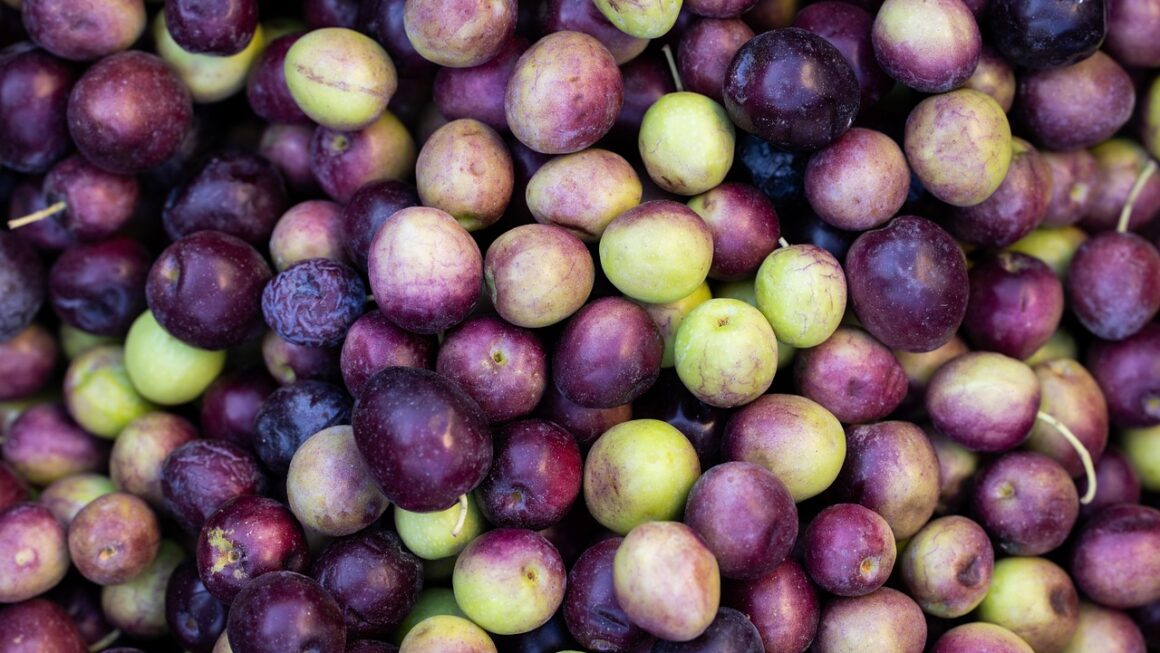
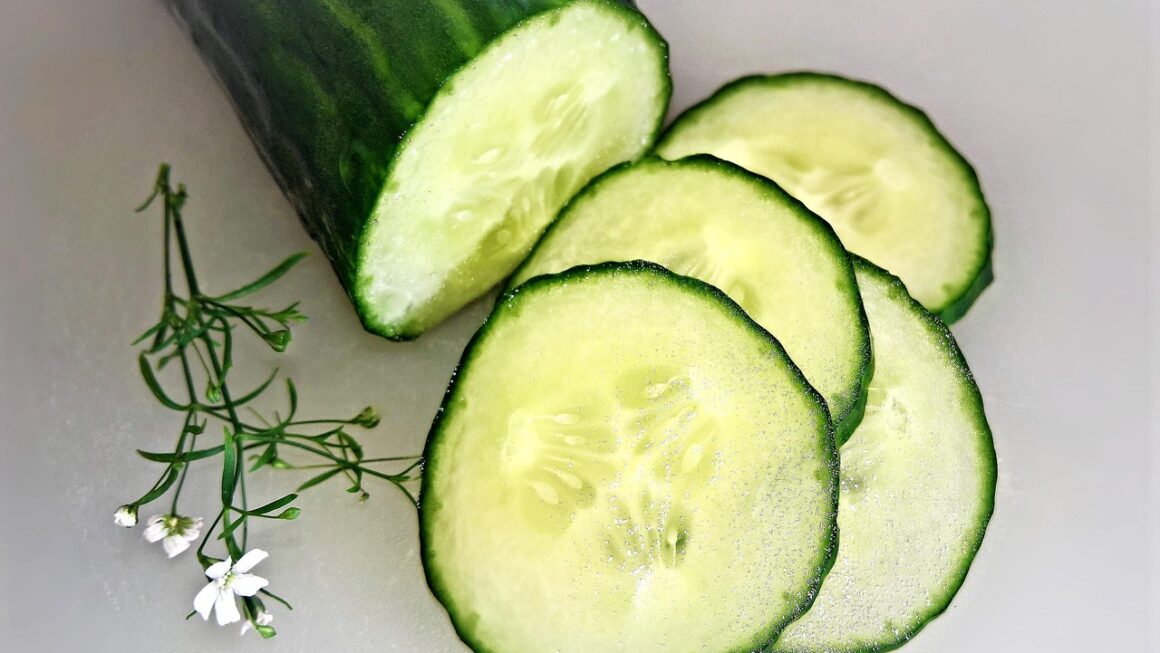
- Mediterranean Quinoa Bowls: Cook a large batch of quinoa. Prep roasted chickpeas (tossed with olive oil, paprika, and cumin) and chopped cucumbers, tomatoes, red onion, and olives. Whisk together a lemon-tahini dressing. Assemble bowls daily or store components separately.
- Hearty Lentil Soup/Stew: Cook a big pot of lentil soup or a hearty lentil and vegetable stew. It tastes even better the next day and freezes beautifully. Pair with a slice of whole-grain bread.
- Pasta Salad with Roasted Veggies: Cook whole wheat pasta. Roast a medley of vegetables like broccoli, zucchini, and bell peppers. Toss with a homemade vegan pesto or a lemon-herb vinaigrette. Add sun-dried tomatoes and vegan feta for extra flavor.
Dinner Delights: Flavorful & Nourishing
End your day with comforting and wholesome vegan dinners.
- Chickpea & Spinach Curry: Sauté onions, garlic, and ginger, then add spices (curry powder, garam masala), canned tomatoes, coconut milk, and chickpeas. Simmer, then stir in fresh spinach. Serve over pre-cooked brown rice or quinoa. This dish is excellent for reheating.
- Sheet Pan Fajita Bowls: Slice bell peppers, onions, and your choice of protein (e.g., sliced firm tofu, tempeh, or black beans). Toss with fajita seasoning and a drizzle of oil. Roast on a sheet pan until tender and slightly caramelized. Serve with corn tortillas, pre-made guacamole, and salsa.
- Sweet Potato Black Bean Burgers: Prepare burger patties ahead of time (mash cooked sweet potatoes, black beans, oats, and spices). Store raw patties in the fridge with parchment paper between them. Cook as needed, or bake a batch and reheat. Serve on buns or over a salad.
Snack Saviors: Keep Hunger at Bay
Healthy vegan snacks are vital for sustained energy.
- Energy Balls: Blend dates, oats, nuts (e.g., cashews, almonds), and a touch of cocoa powder or shredded coconut. Roll into balls and store in the fridge.
- Hummus & Veggie Sticks: Make a batch of homemade hummus or buy a large tub. Wash and chop carrots, celery, cucumbers, and bell peppers for easy dipping.
- Fruit & Nut Packs: Portion out mixed nuts, seeds, and dried fruit into small baggies for grab-and-go energy.
Overcoming Common Vegan Meal Prep Challenges
Even with the best intentions, challenges can arise. Here’s how to tackle common hurdles in your vegan meal prep journey.
Preventing Meal Boredom and Flavor Fatigue
Eating the same thing day after day can get tiresome. Variety is the spice of life!
- Rotate Your Recipes: Aim to have a repertoire of 6-8 go-to recipes that you can rotate weekly or bi-weekly.
- Embrace Flavor Profiles: Use different spice blends and sauces to completely change the taste of a similar base. For example, brown rice can go Mexican with salsa and avocado, or Asian with soy sauce and stir-fried veggies.
- Mix-and-Match Components: Instead of fully assembling meals, prep individual components (grains, proteins, roasted veggies). Each day, you can combine them differently to create fresh variations.
- Seasonal Eating: Incorporate seasonal fruits and vegetables to add natural variety and freshness to your meals.
Dealing with Spoilage and Food Safety
Ensuring your food stays fresh and safe is crucial for enjoyable meal prep.
- Ingredient Selection: Start with the freshest ingredients possible. When buying produce, check for firmness and absence of blemishes.
- Proper Cooling: As mentioned, always cool food completely before refrigerating to prevent bacteria growth. This means cooling rapidly, usually within 2 hours of cooking.
- Invest in Quality Containers: Good airtight containers are your best defense against spoilage. Glass containers often maintain freshness better than plastic.
- Mind the “Best By” Dates: Even with careful prep, some ingredients like leafy greens may not last a full 5 days. Plan to consume more perishable items earlier in the week.
- Freezing is Your Friend: For items that won’t last the week, freeze them. Cooked grains, soups, stews, and many curries freeze wonderfully.
Staying Motivated and Consistent
Like any new habit, consistency in meal prepping takes effort. Here’s how to stay on track.
- Start Small: Don’t try to prep every single meal for the entire week from day one. Start with just lunches, or 3-4 dinners. Build up gradually.
- Schedule Your Prep Time: Treat your meal prep session like any other important appointment. Block out 2-3 hours on your calendar.
- Listen to Music or a Podcast: Make the prep process enjoyable. Put on your favorite tunes or an interesting podcast to pass the time.
- Find a Prep Buddy: If possible, find a friend or family member who also wants to meal prep. You can share recipes, tips, and even ingredients, making the process more social and accountable.
- Track Your Savings: Keep a mental or actual note of how much time and money you’re saving. This positive reinforcement can be a huge motivator.
Conclusion
Embracing vegan meal prep recipes is more than just a culinary choice; it’s a strategic move towards a healthier, more organized, and sustainable lifestyle. From savoring nutritious, delicious meals every day to reclaiming valuable time and saving money, the benefits are immense. By stocking your pantry wisely, utilizing efficient prep techniques, and discovering a world of vibrant plant-based recipes, you’re not just preparing food – you’re cultivating a habit that nourishes your body, mind, and the planet. So, arm yourself with these practical tips and recipes, and embark on your vegan meal prep journey. Your future self (and your taste buds!) will thank you.