Dreaming of a leaner, healthier you while embracing a compassionate, plant-based lifestyle? The good news is that a well-structured vegan meal plan for fat loss isn’t just a possibility; it’s a highly effective and sustainable path to achieving your weight management goals. Far from being restrictive, a thoughtful vegan diet can naturally encourage fat loss by emphasizing nutrient-dense, fiber-rich foods that keep you feeling full and satisfied. This comprehensive guide will equip you with the knowledge, practical tips, and strategic insights to unlock the full potential of a plant-based approach to shedding excess weight and transforming your health.
Understanding the Power of a Plant-Based Diet for Weight Loss
Adopting a vegan diet can be a game-changer for fat loss due to several inherent characteristics of plant-based foods. It’s not just about what you eliminate, but what you gain: a plate full of vibrant, health-promoting ingredients.
Naturally Lower in Calories and Saturated Fat
One of the primary advantages of a plant-based diet for fat loss is its natural inclination towards lower calorie density and reduced saturated fat. Whole plant foods – fruits, vegetables, whole grains, and legumes – generally contain fewer calories per gram compared to animal products, especially processed meats and dairy. This allows you to eat larger, more satisfying portions while still creating a calorie deficit necessary for fat loss.
- Reduced Caloric Density: Most plant foods are high in water and fiber, meaning they fill you up with fewer calories.
- Lower Saturated Fat: Vegan diets are typically very low in saturated fat, which is often linked to weight gain and various health issues.
- No Cholesterol: Plant foods contain no dietary cholesterol, contributing to better cardiovascular health alongside fat loss.
Actionable Takeaway: Prioritize incorporating a wide variety of non-starchy vegetables and fruits into every meal to naturally reduce overall caloric intake without feeling deprived.
Rich in Fiber for Satiety and Digestive Health
Fiber is a superstar nutrient for anyone focusing on fat loss, and a vegan diet is inherently fiber-rich. Plant foods are the sole source of dietary fiber, which plays a crucial role in promoting satiety and supporting a healthy digestive system.
- Increased Satiety: Fiber expands in your stomach, helping you feel fuller for longer, thus reducing the likelihood of overeating or snacking on unhealthy foods.
- Stable Blood Sugar: Soluble fiber helps slow down glucose absorption, preventing rapid spikes and crashes in blood sugar that can lead to cravings.
- Improved Digestion: Fiber aids in regular bowel movements and supports a healthy gut microbiome, which can have positive implications for metabolism and weight management.
Actionable Takeaway: Aim for at least 25-30 grams of fiber per day by regularly consuming legumes, whole grains, fruits with skins, and plenty of vegetables.
Packed with Nutrients and Antioxidants
Beyond simply aiding fat loss, a well-planned vegan diet delivers an abundance of vitamins, minerals, and antioxidants essential for overall health. This means you’re not just losing weight; you’re also nourishing your body at a cellular level, reducing inflammation, and boosting your energy.
- Micronutrient Density: Plant foods are typically rich in essential vitamins (e.g., Vitamin C, Folate) and minerals (e.g., Potassium, Magnesium).
- Antioxidant Power: Fruits and vegetables are loaded with antioxidants that combat oxidative stress and promote cellular health.
- Enhanced Energy Levels: With improved nutrient intake and stable blood sugar, many people report higher energy levels on a plant-based diet, encouraging more physical activity.
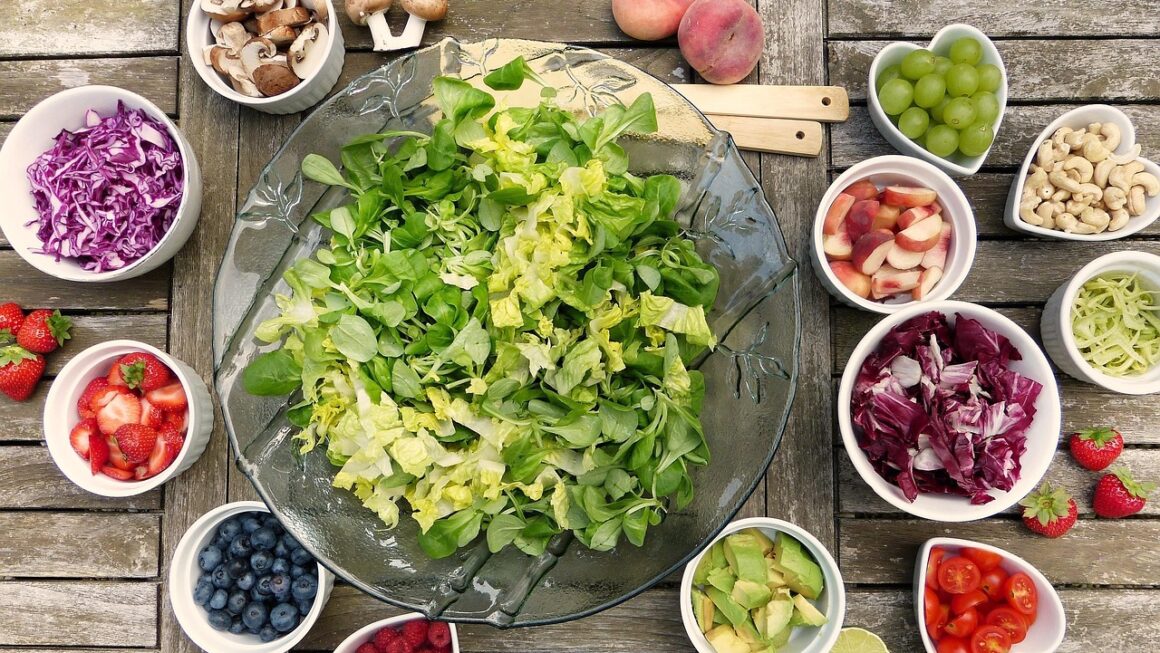
Actionable Takeaway: Focus on ‘eating the rainbow’ – consuming a diverse range of colorful fruits and vegetables to ensure a broad spectrum of nutrients and antioxidants.
Crafting Your Effective Vegan Fat Loss Meal Plan
Successful vegan fat loss hinges on mindful planning and smart food choices. It’s about creating a balanced, nutrient-rich plan that supports your goals without sacrificing flavor or satisfaction.
Prioritizing Whole, Unprocessed Foods
The cornerstone of any effective vegan meal plan for fat loss is a strong emphasis on whole, unprocessed foods. While vegan junk food exists (think fries, vegan highly processed snacks, or sugary drinks), these won’t contribute to your fat loss goals. Instead, focus on ingredients straight from nature.
- Fruits and Vegetables: Abundant, low-calorie, and nutrient-dense. Make them the base of your meals.
- Whole Grains: Quinoa, oats, brown rice, whole wheat pasta, farro, barley. Provide complex carbohydrates and fiber.
- Legumes: Lentils, chickpeas, black beans, kidney beans, peas. Excellent sources of plant-based protein and fiber.
- Nuts and Seeds: Almonds, walnuts, chia seeds, flax seeds, hemp seeds. Provide healthy fats, protein, and fiber (consume in moderation due to higher calorie density).
Practical Example: Instead of a processed vegan burger, opt for a lentil burger on a whole-wheat bun with plenty of fresh veggies, or a big salad with chickpeas and quinoa.
Actionable Takeaway: Stock your pantry with whole foods and learn to prepare simple, delicious meals from scratch. Read labels carefully to avoid hidden sugars and unhealthy fats in packaged vegan products.
Balancing Macronutrients for Sustainable Fat Loss
A balanced intake of protein, carbohydrates, and healthy fats is crucial for feeling satisfied, maintaining energy, and preserving muscle mass during fat loss. A well-constructed vegan diet for fat loss can easily achieve this balance.
- Protein: Essential for satiety, muscle repair, and preserving lean body mass. Aim for sources like tofu, tempeh, seitan, lentils, beans, edamame, and plant-based protein powder.
- Complex Carbohydrates: Provide sustained energy. Choose whole grains, starchy vegetables (sweet potatoes, squash), and fruits. Avoid refined carbs which can lead to energy crashes and cravings.
- Healthy Fats: Important for hormone production, nutrient absorption, and satiety. Include sources like avocados, nuts, seeds, and olive oil, but consume in moderation due to their high caloric density.
Practical Example: A balanced lunch could be a large salad with mixed greens, bell peppers, cucumber, a generous serving of baked tofu or chickpeas, a quarter of an avocado, and a small portion of quinoa, dressed with a lemon-tahini dressing.
Actionable Takeaway: Ensure each main meal contains a significant source of plant-based protein to maximize satiety and support muscle maintenance.
Calorie Deficit: The Fundamental Principle
Regardless of your dietary approach, creating a consistent calorie deficit is fundamental for fat loss. This means consuming fewer calories than your body expends. A vegan diet naturally facilitates this due to its emphasis on lower-calorie-density foods, but it still requires awareness.
- Understand Your Needs: Use an online calculator to estimate your daily calorie maintenance level, then aim for a deficit of 300-500 calories.
- Focus on Nutrient Density: Choose foods that offer maximum nutrients for minimal calories, helping you stay full and nourished within your calorie target.
- Portion Control: Even healthy foods can contribute to excess calories if portions are too large (e.g., nuts, seeds, avocado).
Actionable Takeaway: While not always necessary long-term, consider tracking your food intake for a few days using an app to become aware of your typical calorie consumption and identify areas for reduction.
Key Food Groups for a Successful Vegan Fat Loss Journey
To make your vegan fat loss meal plan both effective and enjoyable, familiarize yourself with the powerhouses of plant-based nutrition that will fuel your progress.
High-Protein Plant Sources
Protein is vital for muscle preservation, satiety, and metabolic health. Integrating these into every meal will significantly aid your plant-based weight loss efforts.
- Legumes: Lentils, chickpeas, black beans, kidney beans, cannellini beans, edamame (1 cup cooked lentils = ~18g protein).
- Soy Products: Tofu, tempeh, edamame. Versatile and complete protein sources (100g firm tofu = ~10-12g protein).
- Seitan: A wheat-gluten based protein, very high in protein (100g seitan = ~25g protein).
- Quinoa: A complete protein grain (1 cup cooked = ~8g protein).
- Nuts and Seeds: Almonds, walnuts, cashews, chia seeds, flax seeds, hemp seeds (also provide healthy fats).
- Plant-Based Protein Powders: Pea, rice, hemp protein can be useful for shakes and smoothies.
Practical Tip: Add a handful of lentils to soups, chickpeas to salads, or make a tofu scramble for breakfast to boost protein intake.
Fiber-Rich Vegetables and Fruits
These should constitute the bulk of your diet. They are low in calories, high in water, packed with fiber, and brimming with micronutrients.
- Leafy Greens: Spinach, kale, romaine, collard greens. Eat them in abundance!
- Cruciferous Vegetables: Broccoli, cauliflower, Brussels sprouts, cabbage.
- Colorful Vegetables: Bell peppers, carrots, zucchini, tomatoes, asparagus, mushrooms.
- Berries: Blueberries, raspberries, strawberries. Low in sugar, high in fiber and antioxidants.
- Other Fruits: Apples, pears, oranges, grapefruit. Consume whole fruits for their fiber content.
Practical Tip: Fill half of your plate with non-starchy vegetables at every meal. Snack on whole fruits instead of processed alternatives.
Smart Carb Choices: Whole Grains and Starchy Vegetables
Carbohydrates are not the enemy; choosing the right kind is crucial. Focus on complex carbohydrates that provide sustained energy and fiber, rather than refined options that can lead to energy crashes and fat storage.
- Whole Grains: Oats, brown rice, quinoa, barley, farro, whole wheat bread/pasta (in moderation).
- Starchy Vegetables: Sweet potatoes, yams, butternut squash, corn.
Practical Tip: Swap white rice for brown rice or quinoa, and white pasta for whole-wheat or legume-based pasta. Enjoy a baked sweet potato instead of processed snacks.
Healthy Fats in Moderation
Healthy fats are essential for hormone balance, nutrient absorption, and satiety. However, they are calorie-dense, so portion control is key for vegan fat loss.
- Avocados: Rich in monounsaturated fats.
- Nuts: Almonds, walnuts, pecans, pistachios.
- Seeds: Chia seeds, flax seeds, hemp seeds, pumpkin seeds, sunflower seeds.
- Olive Oil: Use in moderation for cooking or dressings.
Practical Tip: Measure out nuts and seeds instead of eating straight from the bag. Use a tablespoon of olive oil for dressings instead of pouring freely.
Practical Tips & Strategies for Sustainable Vegan Fat Loss
Beyond the food itself, incorporating smart habits and strategies will significantly boost your success on a vegan fat loss journey.
Meal Prepping and Planning
Preparation is key to consistency and avoiding unhealthy impulse choices. A well-organized meal prep routine makes sticking to your vegan meal plan for fat loss much easier.
- Batch Cooking: Dedicate a few hours each week to cook large quantities of grains (quinoa, brown rice), legumes (lentils, beans), and roasted vegetables.
- Portioning: Divide your cooked meals into individual containers for grab-and-go options throughout the week.
- Snack Prep: Pre-chop veggies for healthy snacks, prepare hummus, or portion out nuts and seeds.
- Menu Planning: Plan your meals for the week ahead, including snacks. This streamlines grocery shopping and reduces decision fatigue.
Practical Example: On Sunday, cook a large pot of chili with beans and veggies, roast a tray of sweet potatoes and broccoli, and cook a batch of quinoa. These components can be mixed and matched for quick lunches and dinners.
Actionable Takeaway: Start by prepping just one or two meals (e.g., breakfast or lunch) for the week and gradually expand as you become more comfortable.
Hydration and Mindful Eating
These often-overlooked aspects play a crucial role in overall health and can significantly impact your fat loss results.
- Drink Plenty of Water: Water helps regulate metabolism, can curb appetite (sometimes thirst is mistaken for hunger), and keeps your body functioning optimally. Aim for 8 glasses or more daily.
- Mindful Eating: Pay attention to your body’s hunger and fullness cues. Eat slowly, savor your food, and avoid distractions like TV or phones. This helps prevent overeating.
- Chew Thoroughly: Digestion starts in the mouth. Chewing thoroughly aids nutrient absorption and can signal satiety to your brain more effectively.
Actionable Takeaway: Drink a large glass of water before each meal. Practice eating without distractions for at least one meal a day to reconnect with your hunger and fullness signals.
Incorporating Regular Physical Activity
While diet is paramount for fat loss, combining it with regular exercise accelerates your results, helps preserve muscle mass, and offers countless other health benefits.
- Cardiovascular Exercise: Activities like brisk walking, jogging, cycling, or swimming burn calories and improve heart health. Aim for at least 150 minutes of moderate-intensity cardio per week.
- Strength Training: Lifting weights or bodyweight exercises builds muscle, which boosts your metabolism and helps sculpt your physique. Aim for 2-3 sessions per week.
- Increase NEAT (Non-Exercise Activity Thermogenesis): Simple actions like taking the stairs, parking further away, or standing more throughout the day add up.
Actionable Takeaway: Find an activity you enjoy and commit to it. Even starting with 30 minutes of walking most days of the week can make a significant difference.
Tracking Progress and Adjusting
Your body is unique, and your fat loss journey will be too. Monitoring your progress allows you to make informed adjustments to your vegan meal plan for fat loss.
- Consistent Weigh-Ins: Weigh yourself once a week, at the same time and conditions (e.g., morning, before breakfast), to track trends. Don’t obsess over daily fluctuations.
- Measurements: Take body measurements (waist, hips, arms, thighs) every 2-4 weeks. Sometimes, inches are lost even if the scale doesn’t move.
- How Clothes Fit: A simple, non-scale indicator of progress.
- Journaling: Keep a food and exercise journal to identify patterns and potential areas for improvement.
- Be Patient: Fat loss is a marathon, not a sprint. Celebrate small victories and don’t get discouraged by plateaus; they are normal. Adjust your strategy if you’re not seeing results after a few weeks.
Actionable Takeaway: Set realistic weekly fat loss goals (0.5-1 kg / 1-2 lbs per week is healthy and sustainable). Regularly review your progress and be prepared to slightly reduce calories or increase activity if progress stalls.
Conclusion
Embarking on a vegan meal plan for fat loss is a powerful and rewarding decision that can lead to not only a leaner physique but also enhanced overall health and vitality. By focusing on whole, unprocessed plant foods, prioritizing fiber and protein, understanding calorie balance, and integrating practical strategies like meal prep and consistent activity, you can achieve sustainable and healthy weight loss. The journey to healthy vegan fat loss is about conscious choices, consistent effort, and a deep understanding of how to fuel your body optimally with plants. Embrace the abundance of the plant kingdom, commit to these principles, and prepare to transform your body and well-being from the inside out. Your plant-based fat loss success story starts now!