The landscape of bodybuilding is rapidly evolving, shattering old myths and embracing new, powerful approaches to muscle growth and strength. Gone are the days when a steak-heavy diet was considered the only path to a sculpted physique. Today, a growing number of athletes are proving that a well-structured vegan bodybuilding meal plan can deliver incredible results, building impressive muscle mass, enhancing recovery, and fueling peak performance—all while adhering to ethical and sustainable principles. If you’re ready to unlock your plant-powered potential and discover how a meticulously crafted vegan diet can elevate your gains, you’ve come to the right place. This comprehensive guide will equip you with the knowledge and practical tools to build a robust, muscle-maximizing plant-based meal plan.
The Power of Plants: Nutritional Cornerstones for Vegan Muscle Growth
Building muscle on a vegan diet isn’t just possible; it’s increasingly recognized for its distinct advantages. The key lies in understanding the core nutritional principles and how to effectively source all necessary macronutrients and micronutrients from plant-based foods.
Protein: The Muscle Builder
Protein is paramount for muscle repair and growth. While animal products are often touted as superior protein sources, plants offer an abundance of high-quality protein, often packed with additional fiber and nutrients.
- Diverse Sources: Don’t rely on just one source. Combine various plant proteins throughout the day to ensure a complete amino acid profile.
- Legumes: Lentils, chickpeas, black beans, kidney beans (approx. 15-20g protein per cup cooked).
- Soy Products: Tofu, tempeh, edamame (excellent complete proteins). Tofu (approx. 10-15g per 4oz serving), Tempeh (approx. 20g per 4oz serving).
- Grains: Quinoa (a complete protein, approx. 8g per cup cooked), brown rice, oats.
- Nuts & Seeds: Almonds, walnuts, chia seeds, flax seeds, hemp seeds (rich in healthy fats and protein). Hemp seeds (approx. 10g per 3 tbsp).
- Vegan Protein Powders: Pea, rice, soy, or blended plant proteins can be convenient for boosting intake.
- Target Intake: Aim for 1.6 to 2.2 grams of protein per kilogram of body weight per day for optimal muscle synthesis.
Carbohydrates: Fuel for Performance and Recovery
Carbohydrates are your body’s primary energy source, critical for fueling intense workouts and replenishing glycogen stores for recovery.
- Complex Carbs: Prioritize whole, unrefined carbohydrates for sustained energy release and fiber content.
- Whole Grains: Oats, brown rice, quinoa, whole wheat bread, whole grain pasta.
- Starchy Vegetables: Sweet potatoes, potatoes, corn, squash.
- Fruits: Berries, bananas, apples (provide quick energy and antioxidants).
- Timing is Key: Consume carbohydrates before workouts for energy and after workouts to replenish glycogen and aid recovery.
Healthy Fats: Hormones, Health, and Satiety
Fats are crucial for hormone production, nutrient absorption, cell function, and overall health. They also contribute significantly to caloric intake.
- Unsaturated Fats: Focus on monounsaturated and polyunsaturated fats.
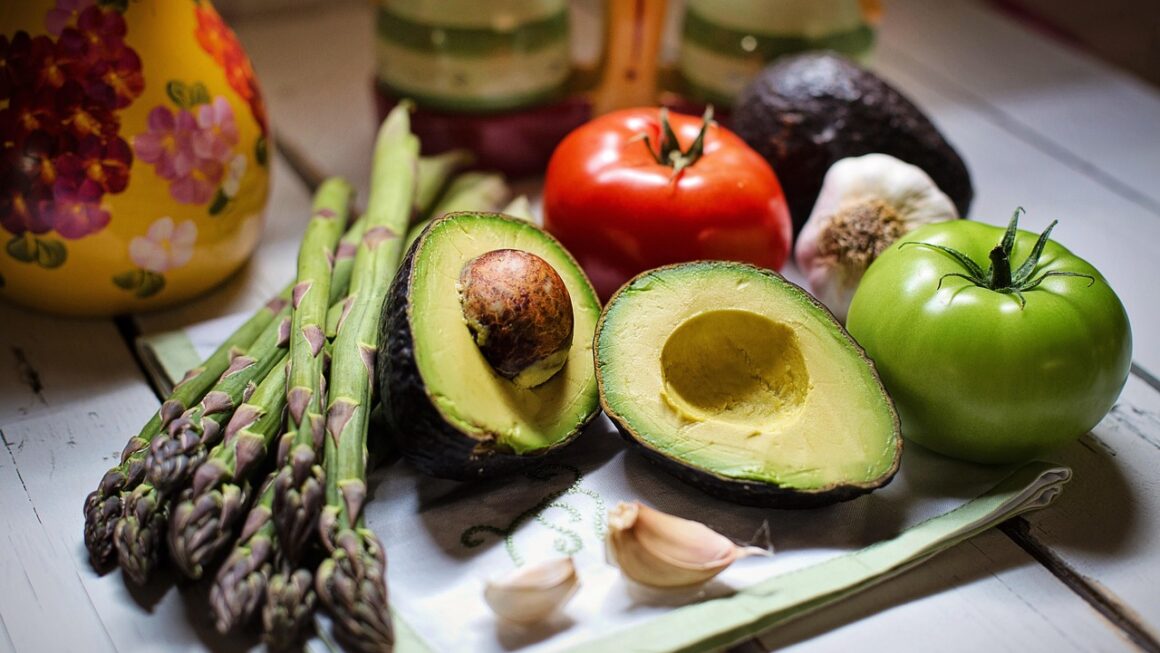
- Avocado: A fantastic source of monounsaturated fats.
- Nuts & Seeds: Almonds, walnuts, chia seeds, flax seeds, hemp seeds (also provide protein and fiber).
- Olive Oil: Extra virgin olive oil for cooking and dressings.
- Nut Butters: Almond butter, peanut butter (opt for natural, no-sugar-added varieties).
- Omega-3s: Ensure adequate intake of ALA from flax seeds, chia seeds, and walnuts, and consider an algae-based EPA/DHA supplement for direct Omega-3s.
Micronutrients: The Unsung Heroes
Don’t overlook vitamins and minerals. A diverse plant-based diet generally provides an abundance, but some require conscious attention for vegans.
- Vitamin B12: Essential for nerve function and red blood cell formation. Must be supplemented or consumed via fortified foods (e.g., fortified plant milks, nutritional yeast).
- Iron: Found in lentils, spinach, fortified cereals. Pair with Vitamin C-rich foods (e.g., bell peppers, oranges) to enhance absorption.
- Calcium: Fortified plant milks, tofu, kale, collard greens.
- Zinc: Legumes, nuts, seeds, whole grains.
- Vitamin D: Sun exposure is ideal; otherwise, use a vegan D3 supplement or fortified foods.
- Iodine: Iodized salt, seaweed (in moderation).
Crafting Your Vegan Bodybuilding Meal Plan: A Step-by-Step Guide
Creating an effective meal plan requires a strategic approach to ensure you meet your caloric, macronutrient, and micronutrient needs consistently. Consistency is paramount for muscle growth.
Step 1: Determine Your Caloric Needs
Muscle growth requires a caloric surplus. Calculate your Basal Metabolic Rate (BMR) and then multiply it by your activity level to get your Total Daily Energy Expenditure (TDEE). Add 300-500 calories to your TDEE for a bulk, or subtract 300-500 for a cut.
- Online Calculators: Utilize online TDEE calculators to get an estimate.
- Track and Adjust: Monitor your weight and adjust caloric intake every 1-2 weeks based on progress.
Step 2: Set Macronutrient Ratios
Once you have your total calories, distribute them among protein, carbohydrates, and fats. A common starting point for bodybuilding is:
- Protein: 1.6-2.2g per kg of body weight (approx. 25-35% of total calories).
- Fats: 0.8-1g per kg of body weight (approx. 20-30% of total calories).
- Carbohydrates: Remaining calories (approx. 40-55% of total calories).
Example: For a 75kg (165lb) individual aiming for 3000 calories:
- Protein: 75kg 2g/kg = 150g (600 calories)
- Fats: 75kg 1g/kg = 75g (675 calories)
- Carbohydrates: 3000 – 600 – 675 = 1725 calories / 4 cal/g = 431g
Step 3: Meal Timing and Frequency
While total daily intake is most important, spreading your meals can optimize nutrient absorption and satiety.
- Frequent Meals: Aim for 4-6 meals per day, including snacks. This helps maintain a steady supply of amino acids for muscle protein synthesis.
- Pre-Workout: A balanced meal with complex carbs and protein 1-2 hours before training.
- Post-Workout: A fast-digesting meal or shake with protein and simple carbs within 30-60 minutes after training to kickstart recovery.
Step 4: Hydration
Water is essential for every bodily function, including nutrient transport and muscle performance. Aim for at least 3-4 liters of water daily, more if you’re training intensely.
Sample 7-Day Vegan Bodybuilding Meal Plan
This sample plan provides a template. Adjust portion sizes based on your individual caloric and macronutrient needs. Focus on diverse whole foods and consistency.
Day 1: High Protein & Complex Carbs
- Meal 1 (Breakfast): Tofu Scramble (1 block firm tofu) with nutritional yeast, spinach, bell peppers, and black salt. Served with a side of whole-wheat toast (2 slices) and ½ avocado.
- Approx. Macros: Protein: 30-35g | Carbs: 40-50g | Fats: 25-30g
- Meal 2 (Mid-Morning Snack): Vegan protein shake (2 scoops pea/rice protein) with 1 banana and 1 cup unsweetened almond milk.
- Approx. Macros: Protein: 40-45g | Carbs: 30-40g | Fats: 5-8g
- Meal 3 (Lunch): Large bowl of lentil and vegetable soup (2-3 cups) with a side of quinoa (1 cup cooked) and a mixed green salad with olive oil vinaigrette.
- Approx. Macros: Protein: 25-30g | Carbs: 80-90g | Fats: 10-15g
- Meal 4 (Pre-Workout): Apple with 2 tbsp almond butter and a small handful of walnuts.
- Approx. Macros: Protein: 8-10g | Carbs: 30-40g | Fats: 20-25g
- Meal 5 (Dinner): Tempeh Stir-fry (6oz tempeh) with broccoli, carrots, snow peas, and a rich soy-ginger sauce, served over brown rice (1.5 cups cooked).
- Approx. Macros: Protein: 35-40g | Carbs: 100-120g | Fats: 15-20g
- Meal 6 (Evening Snack): Cashew or soy yogurt (1 cup) with 1/4 cup berries and 1 tbsp chia seeds.
- Approx. Macros: Protein: 10-15g | Carbs: 20-25g | Fats: 10-12g
Day 2: Focusing on Legumes and Whole Grains
- Meal 1 (Breakfast): Large bowl of oatmeal (1 cup dry oats) with 1 scoop vegan protein powder, 1/2 cup berries, and 1 tbsp flax seeds.
- Meal 2 (Mid-Morning Snack): Edamame (1 cup shelled) and an orange.
- Meal 3 (Lunch): Chickpea “tuna” sandwich (1 cup mashed chickpeas with vegan mayo, celery, onion) on whole-wheat bread (2 slices) with a side of baby carrots.
- Meal 4 (Pre-Workout): Sweet potato (1 medium) with a sprinkle of cinnamon.
- Meal 5 (Dinner): Black bean burgers (2 patties) on whole-grain buns with lettuce, tomato, onion, and a side of roasted mixed vegetables (zucchini, bell peppers).
- Meal 6 (Evening Snack): Rice cakes (2) with 2 tbsp peanut butter.
Variations and Flexibilty:
- Protein Swaps: Replace tofu with tempeh, seitan, or vegan chicken alternatives. Swap lentils for black beans or kidney beans.
- Carb Swaps: Trade brown rice for quinoa, farro, or whole-wheat pasta. Sweet potatoes for regular potatoes or butternut squash.
- Fat Swaps: Use different nuts and seeds, or vary your cooking oils (olive, avocado).
- Flavor Variety: Experiment with different spices, herbs, and low-calorie sauces to keep meals exciting.
Essential Supplements for the Vegan Bodybuilder
While a well-planned whole-food diet is the foundation, certain supplements can help bridge potential gaps and optimize performance and recovery for vegan bodybuilders.
1. Vegan Protein Powder
- Purpose: Convenient way to boost protein intake, especially post-workout or when whole food options are limited.
- Types: Pea, rice, hemp, soy, or blended plant proteins. Blends often offer a more complete amino acid profile.
- Actionable Tip: Look for products with minimal added sugars and artificial ingredients.
2. Creatine Monohydrate
- Purpose: Improves strength, power output, and muscle endurance during high-intensity exercise. Naturally found in animal products, so crucial for vegans.
- Dosage: Typically 3-5g per day.
- Actionable Tip: Creatine is vegan-friendly as it’s synthetically produced.
3. Vitamin B12
- Purpose: Essential for nerve function, red blood cell formation, and DNA synthesis. Not reliably available in unfortified plant foods.
- Dosage: Follow recommended daily intake (e.g., 250-1000mcg several times a week or a smaller daily dose).
- Actionable Tip: This is arguably the most critical supplement for vegans. Do not skip it.
4. Omega-3 Fatty Acids (Algae-Based DHA/EPA)
- Purpose: Supports heart health, brain function, reduces inflammation, and may aid muscle recovery. While flax and chia provide ALA, conversion to EPA/DHA is inefficient.
- Dosage: Follow product recommendations, typically 250-500mg combined EPA/DHA daily.
- Actionable Tip: Ensure it’s sourced from algae, not fish oil.
5. Vitamin D3 (Vegan)
- Purpose: Crucial for bone health, immune function, and potentially muscle function. Sun exposure is the primary source, but many people are deficient.
- Dosage: Consult a doctor, but commonly 1000-2000 IU daily, especially during winter months or for those with limited sun exposure.
- Actionable Tip: Look for lichen-derived D3, as most D3 is animal-sourced.
Practical Tips for Sustainable Vegan Bodybuilding
Maintaining a vegan bodybuilding meal plan isn’t just about what you eat, but how you integrate it into your lifestyle for long-term success.
1. Master Meal Prep
Preparation is the key to consistency. Dedicate a few hours each week (e.g., Sunday) to cook staples that can be mixed and matched throughout the week.
- Batch Cook: Grains (quinoa, brown rice), legumes (lentils, chickpeas), roasted vegetables, tofu/tempeh.
- Portion Out: Use containers to portion meals for grab-and-go convenience.
- Prep Components: Chop vegetables, mix dressings, prepare smoothie packs.
2. Listen to Your Body
No meal plan is one-size-fits-all. Pay attention to how your body responds to different foods and adjust accordingly.
- Energy Levels: Are you feeling consistently energized or sluggish?
- Recovery: Are your muscles recovering well after workouts?
- Digestion: Are you experiencing any discomfort or issues?
- Hunger Cues: Adjust portion sizes or add snacks if you’re consistently hungry or overly full.
3. Track Your Progress
Monitoring your intake and physical changes provides valuable data for making informed adjustments.
- Food Diary/App: Use an app (e.g., Cronometer, MyFitnessPal) to track calories and macros for a few weeks to ensure you’re meeting your targets.
- Body Metrics: Regularly track weight, body fat percentage (if possible), and take progress photos.
- Performance: Keep a workout log to monitor strength and endurance improvements.
4. Embrace Variety and Experimentation
A diverse diet ensures a broad spectrum of nutrients and prevents boredom, which is a common reason for falling off track.
- Explore New Foods: Try different legumes, grains, vegetables, and fruits from around the world.
- Experiment with Recipes: Don’t be afraid to modify existing recipes or create your own plant-based dishes.
- Spice it Up: Use a variety of herbs and spices to add flavor without excess calories.
5. Seek Professional Guidance
If you’re unsure about your dietary needs or have specific health concerns, consult with a qualified professional.
- Registered Dietitian (RD): Especially one specializing in plant-based nutrition or sports nutrition, can help tailor a plan to your unique needs.
- Certified Personal Trainer: Can provide guidance on workout programming that complements your nutrition plan.
Conclusion
The journey of vegan bodybuilding is a testament to the power and versatility of a plant-based diet. By focusing on nutrient-dense whole foods, strategically planning your protein, carbohydrate, and fat intake, and incorporating key supplements, you can build an impressive, strong, and healthy physique. This detailed vegan bodybuilding meal plan and the accompanying practical tips provide a robust framework for your success. Remember, consistency, patience, and a willingness to learn and adapt are your greatest allies. Embrace the plant-powered path, fuel your body intelligently, and watch as you not only achieve your muscle-building goals but also cultivate a more sustainable and vibrant lifestyle.