The world of athletics is constantly evolving, pushing boundaries and redefining what’s possible. From elite ultramarathoners to powerful weightlifters, a growing number of athletes are discovering the immense benefits of a plant-based diet. Far from being restrictive, a well-planned vegan athlete meal plan can provide all the necessary fuel for optimal performance, faster recovery, and sustained energy. If you’re looking to elevate your game, increase your vitality, and explore the power of plants, this comprehensive guide will show you how to build a robust and delicious vegan meal strategy that propels you towards your fitness goals.
Understanding the Vegan Athlete’s Nutritional Foundation
Embarking on a vegan athletic journey requires a strategic approach to nutrition. It’s not just about removing animal products; it’s about intelligently replacing them to ensure you meet the heightened energy and nutrient demands of an active lifestyle. A robust vegan athlete meal plan focuses on nutrient density, variety, and proper macronutrient distribution.
Macronutrient Mastery: Carbs, Protein, and Fats
For athletes, macronutrients are the building blocks of energy and repair. Their ratios can vary based on your sport and goals, but all three are critical.
- Carbohydrates: Your primary energy source, especially for endurance and high-intensity activities. Focus on complex carbs for sustained release.
- Protein: Essential for muscle repair, growth, and recovery. Vegan athletes need to ensure adequate intake from diverse plant sources.
- Healthy Fats: Crucial for hormone production, nutrient absorption, and long-duration energy.
Actionable Takeaway: Prioritize complex carbohydrates (50-65% of total calories), ensure sufficient protein intake (1.2-2.0g per kg body weight), and include healthy fats (20-30%) for optimal fueling.
Key Micronutrients for Plant-Powered Performance
While a varied vegan diet typically provides an abundance of vitamins and minerals, certain micronutrients require conscious attention for athletes.
- Vitamin B12: Found exclusively in animal products or fortified foods/supplements. Crucial for nerve function and energy metabolism.
- Iron: Essential for oxygen transport. Plant-based iron (non-heme) is less bioavailable, so pair iron-rich foods with Vitamin C.
- Calcium: Important for bone health and muscle contraction. Found in fortified plant milks, tofu, leafy greens, and sesame seeds.
- Vitamin D: Vital for bone health and immune function. Sunlight exposure and fortified foods are key.
- Omega-3 Fatty Acids: Important for reducing inflammation and brain health. Prioritize ALA from flax, chia, and hemp, and consider algae-based DHA/EPA.
- Zinc: Supports immune function and protein synthesis. Found in legumes, nuts, seeds, and whole grains.
- Iodine: Essential for thyroid function. Include iodized salt or sea vegetables in moderation.
Actionable Takeaway: Regularly consume a wide variety of whole plant foods. Consider a B12 supplement as a non-negotiable, and evaluate other micronutrient needs with a healthcare professional, especially if you have high training volumes.
Powerhouse Plant Proteins for Muscle Growth
Dispelling the myth that vegan athletes can’t get enough protein is critical. The plant kingdom offers an incredible array of protein sources, many of which are complete proteins or easily combined to form them. For a vegan athlete meal plan, strategic protein intake is paramount for muscle repair and growth.
Top Plant-Based Protein Sources
Aim for diversity to ensure you’re getting all essential amino acids throughout the day.
- Legumes: Lentils, chickpeas, black beans, kidney beans, edamame (typically 15-20g protein per cooked cup).
- Soy Products: Tofu, tempeh, edamame (excellent complete protein sources, 15-25g protein per serving).
- Seitan: Wheat gluten (a concentrated protein source, often 20-25g per 3oz serving).
- Grains: Quinoa (a complete protein, ~8g per cooked cup), oats, whole wheat pasta, brown rice.
- Nuts & Seeds: Almonds, walnuts, peanuts, pumpkin seeds, chia seeds, flax seeds, hemp seeds (vary, but often 5-10g per 1/4 cup).
- Vegan Protein Powders: Pea, rice, hemp, or soy protein isolate (can be a convenient boost, 20-30g per scoop).
Practical Example: A post-workout smoothie might combine 1 scoop pea protein, 1 cup fortified soy milk, 1/2 cup berries, and a tablespoon of almond butter for quick protein delivery and carbohydrate replenishment.
Optimizing Protein Timing and Absorption
Spreading your protein intake throughout the day is more effective than consuming large amounts in one sitting. Aim for 20-30 grams of protein per meal, with additional protein-rich snacks.
- Breakfast: Tofu scramble, protein oatmeal, or a protein smoothie.
- Lunch/Dinner: Lentil soup, bean chili, tempeh stir-fry, or a hearty Buddha bowl with quinoa and chickpeas.
- Post-Workout: A protein shake or a meal rich in easily digestible protein and carbohydrates within 30-60 minutes.
Actionable Takeaway: Focus on incorporating a variety of protein-rich plant foods into every meal and snack. Don’t be afraid to utilize vegan protein powders for convenience and to hit daily targets, especially around training windows.
Smart Carb Choices for Sustained Energy
Carbohydrates are the primary fuel source for high-intensity exercise and endurance activities. A vegan athlete meal plan should emphasize complex carbohydrates for sustained energy release and optimal glycogen replenishment.
Complex vs. Simple Carbohydrates
Not all carbs are created equal. Understanding the difference is key for athletic performance.
- Complex Carbohydrates: These are digested slowly, providing a steady release of glucose into the bloodstream. They are rich in fiber, vitamins, and minerals.
- Examples: Oats, brown rice, quinoa, whole-wheat bread/pasta, sweet potatoes, starchy vegetables (potatoes, corn), legumes.
- Simple Carbohydrates: Digested quickly, offering a rapid energy boost. Useful pre-workout or during long sessions for quick fuel.
- Examples: Fruits, fruit juices, dried fruit, maple syrup, agave nectar.
Practical Example: Pre-workout, you might have a banana (simple carb for quick energy) with a small handful of almonds (fat for sustained energy). Post-workout, a bowl of brown rice with black beans and vegetables provides complex carbs for replenishment.
Carb Loading and Replenishment Strategies
Depending on your training phase and competition schedule, carbohydrate intake will vary.
- Daily Fueling: Focus on complex carbs to maintain glycogen stores.
- Pre-Workout: Opt for easily digestible complex carbs (e.g., oats) 2-3 hours before, or simple carbs (e.g., fruit) 30-60 minutes prior.
- During Workout: For prolonged activities (over 60-90 minutes), use simple carbs like energy gels, bananas, or diluted fruit juice.
- Post-Workout: Replenish glycogen stores within 30-60 minutes with a combination of complex and simple carbohydrates (e.g., fruit smoothie with oats).
Actionable Takeaway: Build your meals around whole-food complex carbohydrates like oats, quinoa, sweet potatoes, and legumes. Use simple carbohydrates strategically before, during, and immediately after intense workouts for quick energy and recovery.
Healthy Fats & Micronutrients: Fueling Recovery & Performance
Often overlooked, healthy fats are crucial for a vegan athlete meal plan. They provide concentrated energy, support hormone production, aid nutrient absorption, and contribute to overall cell health. Additionally, a rich intake of diverse micronutrients from whole foods combats oxidative stress and supports recovery.
Integrating Essential Healthy Fats
Aim for a variety of fat sources to ensure a balance of fatty acids.
- Monounsaturated Fats: Support heart health and reduce inflammation.
- Examples: Avocados, olives, olive oil, almonds, cashews.
- Polyunsaturated Fats: Including Omega-3 and Omega-6 fatty acids, essential for brain function and reducing inflammation. Ensure a good ratio, often by favoring Omega-3 rich sources.
- Examples: Walnuts, flax seeds, chia seeds, hemp seeds, tofu, algae-based DHA/EPA supplements.
- Saturated Fats: While present in some plant foods (e.g., coconut oil), aim for moderate intake as part of a balanced diet.
Practical Example: Add a tablespoon of ground flax seeds to your morning oatmeal, snack on a handful of walnuts, or use avocado in your salads and sandwiches to boost healthy fat intake.
Antioxidants and Anti-inflammatory Foods
Intense training can lead to oxidative stress and inflammation. A vegan athlete meal plan naturally excels in providing compounds to combat this.
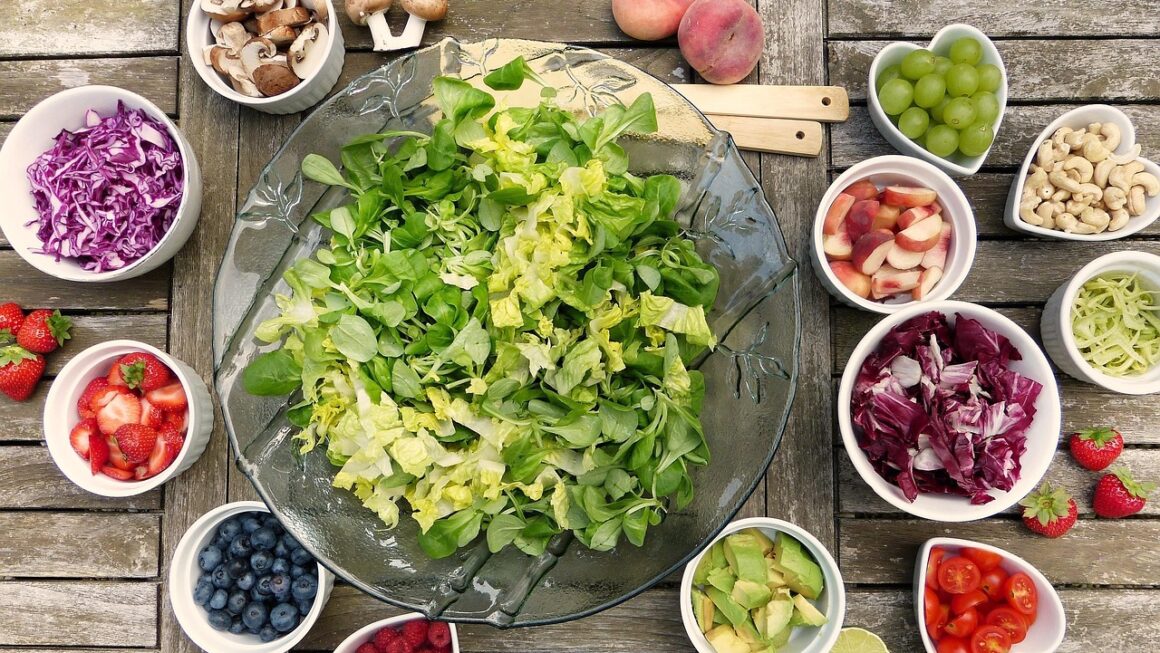
- Berries: Blueberries, raspberries, strawberries are packed with antioxidants.
- Leafy Greens: Spinach, kale, collard greens are rich in vitamins, minerals, and phytonutrients.
- Cruciferous Vegetables: Broccoli, cauliflower, Brussels sprouts offer powerful anti-inflammatory benefits.
- Spices: Turmeric, ginger, garlic have well-known anti-inflammatory properties.
Actionable Takeaway: Include a serving of healthy fats at most meals and integrate a rainbow of fruits and vegetables daily. Incorporate spices like turmeric and ginger into your cooking to leverage their anti-inflammatory benefits and aid recovery.
Crafting Your Daily Vegan Athlete Meal Plan: Practical Application
Putting all the nutritional theory into practice means creating a structured yet flexible vegan athlete meal plan. This section provides a framework and sample day to guide you.
Meal Frequency and Timing
For athletes, grazing throughout the day can be more beneficial than three large meals. Aim for 3 main meals and 2-3 strategic snacks.
- Breakfast: Within an hour of waking.
- Mid-morning Snack: To bridge breakfast and lunch.
- Lunch: Around midday.
- Pre-workout Snack: 30-60 minutes before training.
- Post-workout Meal/Snack: Within 30-60 minutes after training.
- Dinner: 2-3 hours before bed.
Sample Day: High-Intensity Training Day
This sample vegan athlete meal plan is designed for an athlete with moderate to high training volume. Adjust portion sizes based on your specific energy needs and body weight.
Morning Training (e.g., 60-90 min run or strength session)
- Pre-Workout (30-45 mins before):
- 1 medium banana with 1 tbsp almond butter
- 1/2 cup diluted fruit juice (e.g., cherry juice for recovery benefits)
- Post-Workout (immediately after):
- Recovery Smoothie: 1 scoop vegan protein powder (pea/rice blend), 1 cup fortified soy milk, 1 cup frozen mixed berries, 1 tbsp ground flax seeds, 1/2 cup cooked oats.
- Breakfast (1-1.5 hours after workout/smoothie):
- Tofu Scramble: 4oz firm tofu (crumbled) seasoned with black salt and turmeric, sautéed with 1 cup spinach, 1/2 bell pepper, and 1/4 cup black beans. Served with 1 slice whole-wheat toast and 1/4 avocado.
- Lunch:
- Lentil & Veggie Bowl: 1.5 cups cooked brown rice, 1 cup cooked lentils, 2 cups mixed roasted vegetables (broccoli, sweet potato, carrots), drizzled with a tahini-lemon dressing.
- Mid-Afternoon Snack:
- 1 apple with 2 tbsp peanut butter
- Small handful of walnuts (1/4 cup)
- Dinner:
- Tempeh Stir-fry: 4oz tempeh (cubed and pan-fried), 2 cups mixed stir-fry vegetables (bok choy, snap peas, mushrooms), served over 1.5 cups quinoa. Light soy sauce/ginger/garlic dressing.
- Evening Snack (optional, if still hungry or for recovery):
- Small bowl of fortified plant-based yogurt with 1 tbsp chia seeds.
Actionable Takeaway: Use this sample day as a template, adjusting foods and portions to fit your preferences, training schedule, and caloric needs. Meal prepping components (cooked grains, roasted veggies, bean batches) can save significant time during the week.
Hydration & Supplements: Optimizing Your Vegan Edge
Beyond whole foods, proper hydration and strategic supplementation can significantly enhance a vegan athlete’s performance, recovery, and overall health.
The Critical Role of Hydration
Water is often overlooked but is arguably the most vital nutrient for athletes. Even slight dehydration can impair performance, reduce stamina, and hinder recovery.
- Daily Intake: Aim for at least 8-10 glasses (2-3 liters) of water daily, increasing with activity levels.
- Pre-Training: Drink 16-20 oz (0.5 liters) of water 2-3 hours before exercise, and another 8-10 oz (0.25-0.3 liters) 10-20 minutes prior.
- During Training: Sip water or an electrolyte drink every 15-20 minutes, especially for sessions longer than 60 minutes or in hot environments.
- Post-Training: Replenish fluids lost during exercise. Weigh yourself before and after; for every pound lost, drink 16-24 oz (0.5-0.7 liters) of fluid.
- Electrolytes: For long or intense sessions, consider electrolyte-rich drinks or adding a pinch of sea salt to water to replace sodium, potassium, and magnesium lost through sweat.
Actionable Takeaway: Carry a water bottle with you throughout the day and make hydration a conscious habit. For prolonged or intense workouts, integrate electrolyte drinks to maintain fluid balance and performance.
Strategic Vegan Supplements
While a well-planned vegan diet is incredibly nutrient-dense, certain supplements can fill potential gaps or offer performance advantages.
- Vitamin B12: As mentioned, this is non-negotiable for all vegans. A daily supplement is essential.
- Vitamin D: Especially for those with limited sun exposure or during winter months. A D3 supplement derived from lichen is vegan.
- Omega-3 (DHA/EPA): While flax and chia provide ALA, an algae-based DHA/EPA supplement ensures direct intake of these crucial fatty acids.
- Creatine: Naturally found in animal products, creatine monohydrate is a vegan-friendly supplement that can enhance strength, power, and muscle mass for high-intensity activities.
- Iron: If blood tests indicate a deficiency, an iron supplement might be necessary under medical guidance. Always pair with Vitamin C.
- Vegan Protein Powder: A convenient way to meet elevated protein needs, particularly post-workout or when whole food options are limited.
Actionable Takeaway: Consult with a doctor or registered dietitian to assess your individual needs before starting any supplement regimen. Prioritize B12, and consider Vitamin D, Omega-3, and creatine based on your training and health profile.
Conclusion
Embracing a vegan athlete meal plan is a powerful choice that can revolutionize your performance, recovery, and overall well-being. By focusing on nutrient-dense whole foods, strategically planning your macronutrient intake, paying attention to key micronutrients, and prioritizing hydration, you can build an incredibly robust and delicious diet that fuels your athletic ambitions. From vibrant breakfasts packed with protein to hearty dinners designed for recovery, the plant kingdom offers an endless array of options to help you thrive. With careful planning and a commitment to nourishing your body, you’ll discover the unparalleled strength and vitality that a plant-powered lifestyle can provide. So, go ahead, fuel your body with plants, and unleash your full athletic potential!