In our increasingly busy lives, finding time to cook healthy, delicious meals can feel like a monumental task. The allure of convenience often leads us to less nutritious options, leaving us craving a better way. Enter the magic of vegan one-pot meals – a culinary game-changer that promises minimal fuss, maximum flavor, and a powerful punch of plant-based nutrition. Imagine a world where cleanup is a breeze, meal prep is simplified, and every dish bursts with vibrant ingredients, all cooked in a single pot, pan, or sheet. This isn’t just a trend; it’s a lifestyle upgrade for anyone looking to embrace easy, healthy, and incredibly satisfying vegan eating.
Why Choose Vegan One-Pot Meals?
The appeal of vegan one-pot cooking extends far beyond its simplicity. It’s a holistic approach to plant-based eating that offers a multitude of benefits for your health, your wallet, and your precious time.
Unbeatable Convenience & Less Cleanup
- Time-Saving: From prep to plate, one-pot meals significantly cut down on the time spent in the kitchen. No juggling multiple pans or complex cooking steps.
- Effortless Cleanup: The biggest win for many! With only one main cooking vessel to wash, you can reclaim your evenings instead of scrubbing stacks of dishes. This is especially true for sheet pan dinners or skillet meals.
- Simplified Process: Often, it’s a matter of chopping ingredients, tossing them together, and letting the heat do its work. Perfect for beginners or those with demanding schedules.
Nutritional Powerhouse
- Balanced Meals: One-pot dishes naturally encourage a balanced plate, combining proteins, carbohydrates, healthy fats, and a generous array of vegetables into a single, cohesive meal.
- More Whole Foods: These meals typically lean on fresh, unprocessed ingredients, ensuring you’re getting a rich spectrum of vitamins, minerals, and fiber. This holistic approach supports better digestion and sustained energy.
- Flavor Infusion: Cooking all ingredients together allows flavors to meld and deepen, creating a richer, more complex taste profile that often surpasses multi-pot meals.
Budget-Friendly & Waste-Reducing
- Smart Ingredient Use: One-pot recipes often utilize common, affordable pantry staples like lentils, beans, grains, and seasonal vegetables, making healthy eating accessible to all budgets.
- Reduced Food Waste: By cooking all components together, you’re more likely to use up all your ingredients, minimizing forgotten leftovers or half-used vegetables wilting in the fridge. This conscious approach helps reduce your environmental footprint.
Essential Ingredients for Your Vegan One-Pot Pantry
Building a well-stocked pantry is the first step to mastering vegan one-pot meals. These staples form the foundation of countless delicious and easy dishes.
Protein Powerhouses
- Legumes (Canned or Dried): Chickpeas, black beans, kidney beans, cannellini beans, and lentils (red, green, brown) are incredibly versatile, affordable, and packed with protein and fiber. They cook down beautifully and absorb flavors.
- Tofu & Tempeh: Firm or extra-firm tofu can be pressed, cubed, and added to absorb sauces. Tempeh offers a firmer, nuttier texture and is fantastic for absorbing marinades.
- Edamame & Peas: Frozen edamame or peas can be tossed in near the end of cooking for a boost of green color and protein.
Grains & Starches
- Rice: Brown rice, white rice, basmati, or jasmine are perfect bases. Short-grain varieties can create creamier dishes.
- Quinoa: A complete protein, quinoa cooks relatively quickly and adds a delightful texture.
- Pasta: Short pasta shapes like penne, rotini, or macaroni are excellent for absorbing sauces directly in the pot.
- Potatoes & Sweet Potatoes: Cubed potatoes or sweet potatoes provide a comforting, hearty starch component, and cook well alongside other vegetables.
Flavor Foundations & Aromatics
- Onions & Garlic: The undisputed kings of flavor building. Always start by sautéing these to lay a rich base.
- Canned Tomatoes: Diced tomatoes, crushed tomatoes, or tomato paste are essential for many saucy one-pot dishes, providing acidity and umami.
- Vegetable Broth: The primary liquid for most one-pot meals, choose a low-sodium option to control seasoning.
- Spices & Herbs: Cumin, coriander, turmeric, paprika, chili powder, oregano, basil, thyme, rosemary. Don’t forget salt and black pepper!
- Vinegars & Citrus: Apple cider vinegar, red wine vinegar, lemon juice, or lime juice can brighten flavors and add a necessary acidic kick.
Fresh & Frozen Veggies
- Root Vegetables: Carrots, celery, parsnips – these hold up well to longer cooking times.
- Cruciferous Veggies: Broccoli, cauliflower, Brussels sprouts add texture and nutrients.
- Leafy Greens: Spinach, kale, Swiss chard can be stirred in at the very end as they wilt quickly.
- Bell Peppers & Zucchini: Quick-cooking and add vibrant color and freshness.
- Frozen Vegetables: A convenient secret weapon! Corn, peas, mixed vegetables are pre-chopped and ready to go, ideal for busy nights.
Mastering the Art of Vegan One-Pot Cooking
While the concept is simple, a few techniques can elevate your one-pot creations from good to gourmet.
Layering for Flavor & Texture
- Start with Aromatics: Begin by sautéing onions, garlic, and tougher vegetables (carrots, celery) in a little oil until softened. This builds the foundational flavor.
- Add Spices & Tomatoes: Toasting your dry spices for 30 seconds to a minute before adding liquids enhances their aroma and flavor. Follow with tomato paste or canned tomatoes to create a rich base.
- Introduce Grains & Proteins: Add your chosen grain (rice, quinoa) and any uncooked legumes or tougher proteins (tofu/tempeh) next, stirring to coat.
- Pour in Liquid & Simmer: Add your vegetable broth and bring to a simmer. Cover and let it cook, allowing the grains to absorb the liquid and flavors.
- Incorporate Delicate Veggies & Greens: Stir in quick-cooking vegetables like bell peppers, zucchini, or leafy greens (spinach, kale) during the last 5-10 minutes of cooking to prevent them from becoming overcooked and mushy.
Liquid Ratios & Simmering Secrets
- Measure Accurately: Especially for grains like rice and quinoa, the liquid-to-grain ratio is crucial. Generally, 1 part grain to 2 parts liquid is a good starting point, but always check specific recipe recommendations. Too much liquid leads to mushy results; too little, and your grains will be undercooked.
- Don’t Peek Too Much: Resist the urge to lift the lid constantly. Trapped steam is essential for even cooking and proper absorption, particularly for rice and quinoa.
- Low and Slow: Once simmering, reduce the heat to low and maintain a gentle simmer. This prevents scorching at the bottom and ensures everything cooks evenly.
Seasoning Like a Pro
- Taste As You Go: This is the golden rule. Season initially, then taste and adjust frequently throughout the cooking process, especially before serving.
- Balance Flavors: Think beyond just salt and pepper. Incorporate acidity (lemon juice, vinegar), heat (chili flakes, hot sauce), and fresh herbs (cilantro, parsley) at the end to brighten and finish the dish.
- Umami Boosters: A dash of soy sauce, tamari, nutritional yeast, or even a spoonful of miso paste can add a profound depth of savory flavor.
Delicious Vegan One-Pot Meal Ideas to Try
Ready to get cooking? Here are some inspiring vegan one-pot meal ideas that are easy to adapt and incredibly satisfying.
Hearty Lentil & Vegetable Stew
A comforting classic, perfect for chilly evenings. Combine brown or green lentils with diced carrots, celery, potatoes, onions, garlic, canned diced tomatoes, vegetable broth, and a blend of herbs like thyme and bay leaf. Let it simmer until the lentils are tender and the vegetables are soft. A squeeze of lemon juice and fresh parsley at the end brightens everything up.
Creamy Tomato & Spinach Pasta
This crowd-pleaser comes together in minutes. Sauté garlic and onion, add canned crushed tomatoes, vegetable broth, and your choice of short pasta (e.g., penne, rotini). Cook until the pasta is al dente, stirring occasionally. Stir in fresh spinach until wilted, a generous amount of nutritional yeast for cheesiness, and a splash of plant-based milk or cream for extra richness. Season with salt, pepper, and dried oregano.
Mediterranean Quinoa Bake
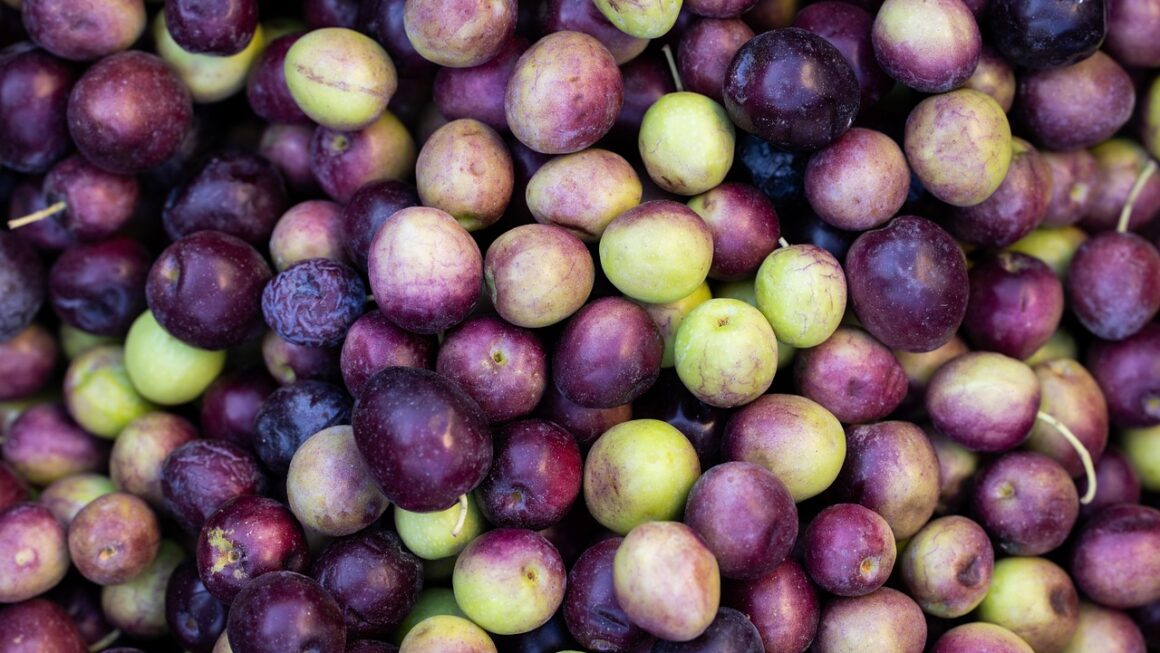
A fresh and flavorful option. Combine uncooked quinoa with vegetable broth, canned chickpeas, diced bell peppers, zucchini, red onion, sun-dried tomatoes, Kalamata olives, and plenty of dried oregano. Bake in a single pan until the quinoa is fluffy and the vegetables are tender. Garnish with fresh parsley and a drizzle of olive oil before serving.
Speedy Chickpea Curry with Rice
Fragrant and satisfying. Sauté onions and garlic, then add ginger, curry powder, turmeric, and a pinch of cayenne. Stir in canned chickpeas, diced tomatoes, vegetable broth, and uncooked rice. Simmer until the rice is cooked. Finish with a can of full-fat coconut milk for creaminess and a handful of fresh spinach or kale. Serve with a sprinkle of fresh cilantro.
Sheet Pan Roasted Veggies & Tofu
For oven lovers! Toss cubed firm tofu, broccoli florets, bell pepper strips, red onion wedges, and cherry tomatoes with olive oil, soy sauce (or tamari), garlic powder, and paprika. Spread evenly on a baking sheet and roast at 400°F (200°C) until the tofu is crispy and the vegetables are tender-crisp. Serve over quinoa or brown rice for a complete meal.
Meal Prep & Storage Tips for Busy Weeks
One-pot meals are the ultimate meal prep champions. Maximize their convenience with these tips.
Batch Cooking Brilliance
- Cook Once, Eat Thrice: Dedicate an hour or two on the weekend to cook a large batch of your favorite one-pot meal. This provides ready-to-eat lunches or dinners for several days, significantly reducing weekday cooking stress.
- Double Your Recipe: Most one-pot recipes can easily be doubled without much extra effort. Just ensure your pot or pan is large enough.
Smart Storage Solutions
- Airtight Containers: Invest in high-quality, airtight containers (glass or BPA-free plastic) to keep your meals fresh in the refrigerator for 3-5 days. Separate into individual portions for quick grab-and-go meals.
- Freezing for Later: Many one-pot stews, curries, and casseroles freeze exceptionally well. Allow the dish to cool completely before transferring to freezer-safe containers or bags. They can last for up to 2-3 months. Label with the date!
Revitalizing Leftovers
- Add Freshness: To make leftovers feel new, add fresh elements when reheating. A squeeze of lime, a sprinkle of fresh herbs (cilantro, parsley), a dollop of plant-based yogurt or sour cream, or some crunchy seeds can transform a reheated meal.
- Adjust Texture: If a dish has thickened too much, add a splash of vegetable broth or water when reheating to restore its original consistency.
Conclusion
Vegan one-pot meals truly embody the intersection of convenience, health, and flavor. They empower you to create nourishing, delicious plant-based dishes with minimal effort and cleanup, making healthy eating accessible even on the busiest days. From hearty stews and creamy pasta dishes to vibrant grain bowls and sheet pan dinners, the possibilities are endless. By stocking your pantry with essential ingredients and employing a few smart cooking techniques, you’ll unlock a world of culinary ease and joy. So, embrace the simplicity, savor the flavors, and transform your kitchen routine with the incredible power of vegan one-pot cooking. Your taste buds, your schedule, and your dish brush will thank you!