Embarking on a ketogenic lifestyle doesn’t mean sacrificing flavor or variety, especially when it comes to the most important meal of the day: dinner. Far from bland, keto dinner recipes are a vibrant world of delicious, satisfying, and health-boosting meals designed to keep you in ketosis while delighting your taste buds. Whether you’re a seasoned keto veteran or just starting your low-carb journey, discovering new, easy, and family-friendly ketogenic dinner options can revolutionize your evenings and help you achieve your wellness goals with joy and consistency. Get ready to explore a treasure trove of hearty proteins, luscious healthy fats, and crisp, nutrient-dense vegetables that will make you look forward to dinner every night.
The Foundation of Keto Dinners: What Makes Them Work?
Understanding the core principles behind ketogenic eating is crucial for crafting effective and delicious keto dinner recipes. It’s not just about cutting carbs; it’s about a strategic approach to macronutrients that shifts your body into a fat-burning state known as ketosis.
Macro Breakdown for Optimal Ketosis
A typical ketogenic diet emphasizes a specific ratio of macronutrients:
- High Healthy Fats: Roughly 60-75% of your daily calories. Fats are your primary energy source on keto, promoting satiety and fueling your body and brain.
- Moderate Protein: Approximately 15-30% of daily calories. Protein is essential for muscle repair and growth, but excessive amounts can be converted to glucose, potentially hindering ketosis.
- Very Low Carbs: Generally 5-10% of daily calories, often capped at 20-50 grams of net carbs per day. This restriction forces your body to burn fat for fuel.
Crafting low-carb dinners that adhere to these macros ensures you stay on track, feel full, and enjoy the benefits of ketosis.
Benefits of Incorporating Keto Dinners
Beyond weight loss, a well-planned keto dinner can offer a multitude of health advantages:
- Sustained Energy: By burning fat for fuel, you avoid the energy crashes associated with high-carb meals, leading to more stable energy levels throughout the evening and into the next day.
- Enhanced Satiety: The high fat and moderate protein content in ketogenic meals are incredibly filling, reducing cravings and preventing late-night snacking.
- Improved Metabolic Health: Regular consumption of ketogenic meals can help stabilize blood sugar levels, improve insulin sensitivity, and support overall metabolic function.
- Mental Clarity: Many individuals report improved focus and cognitive function due to the steady supply of ketones to the brain.
- Reduced Inflammation: A well-formulated ketogenic diet is often rich in anti-inflammatory foods, contributing to reduced inflammation in the body.
Mastering Your Keto Dinner Plate: Key Components
Creating balanced and appetizing keto dinner recipes involves selecting the right ingredients. Focus on high-quality proteins, healthy fats, and an abundance of non-starchy vegetables.
Protein Powerhouses
Protein is the cornerstone of any satisfying keto meal, providing essential amino acids and contributing to satiety without spiking blood sugar. Aim for a moderate portion, around 4-6 ounces per serving.
- Red Meats: Beef (steaks, ground beef, roasts), lamb, pork (chops, tenderloin, bacon). Opt for grass-fed when possible for a better nutrient profile.
- Poultry: Chicken (thighs, breast, wings), turkey (ground, breast). Dark meat tends to have higher fat content, which is beneficial for keto.
- Fish and Seafood: Fatty fish like salmon, mackerel, sardines, and tuna are rich in omega-3s. Shrimp, scallops, and other seafood are excellent low-carb options.
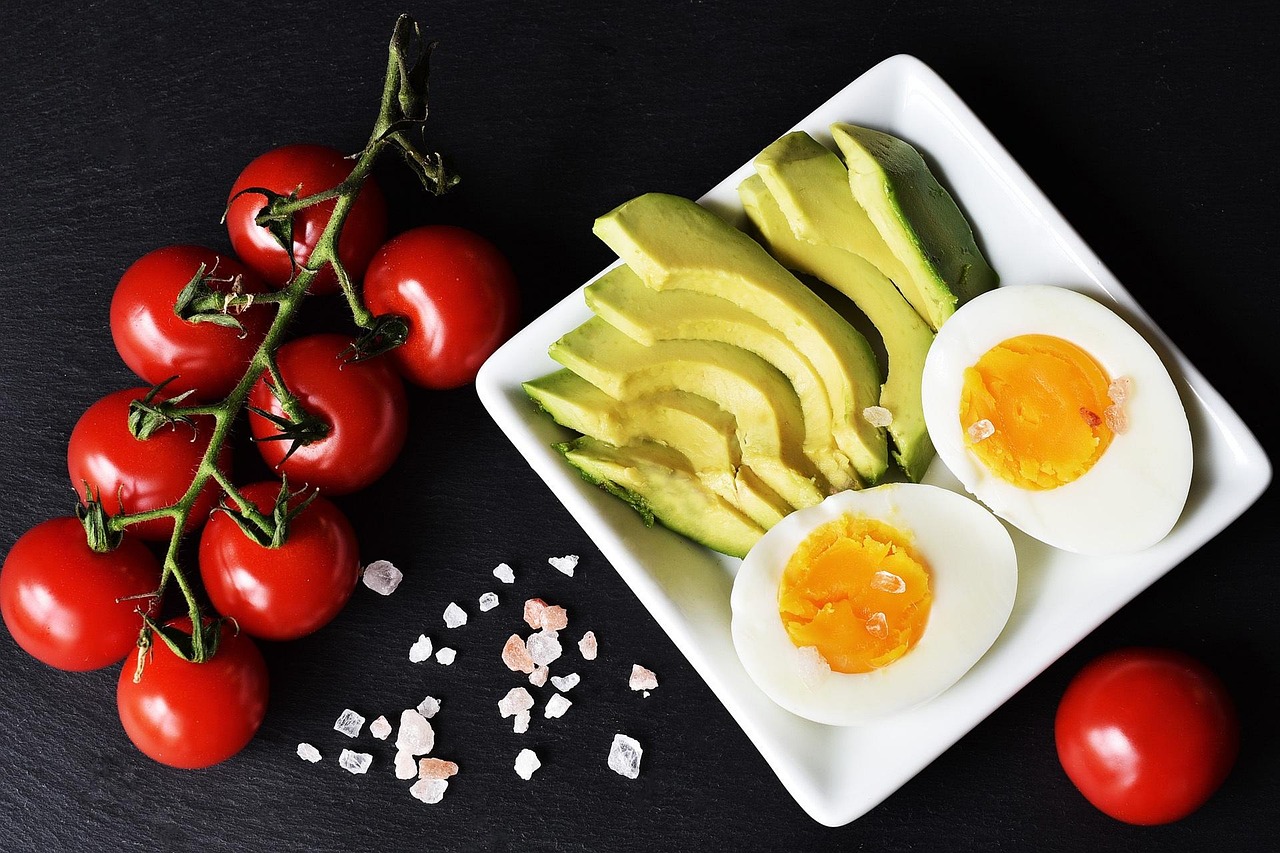
- Eggs: Versatile and nutrient-dense, eggs can be a quick and easy dinner protein, whether scrambled, fried, or in an omelet.
Actionable Takeaway: Vary your protein sources throughout the week to ensure a broad spectrum of nutrients and prevent meal fatigue. Don’t be afraid to experiment with different cuts and preparations.
Healthy Fat Essentials
Fats are not just for energy; they also carry fat-soluble vitamins and add incredible flavor and texture to your delicious keto dinners.
- Avocado & Avocado Oil: Rich in monounsaturated fats, great for salads, dressings, or as a topping.
- Olive Oil: Extra virgin olive oil is perfect for dressings, drizzling, and finishing dishes (avoid high-heat cooking).
- Coconut Oil & MCT Oil: Excellent for cooking and providing quick energy. MCT oil is particularly known for its ability to produce ketones.
- Butter & Ghee: Grass-fed butter adds a rich flavor to cooked dishes and sauces.
- Nuts & Seeds: Almonds, pecans, macadamia nuts, chia seeds, flax seeds – in moderation, they offer healthy fats and fiber.
- Fatty Dairy: Heavy cream, full-fat cheeses, cream cheese (use mindfully for dairy-sensitive individuals).
Actionable Takeaway: Always include a source of healthy fat with your protein and vegetables to optimize satiety and keep your macros in check. Don’t fear the fat!
Low-Carb Veggie Stars
These non-starchy vegetables add fiber, vitamins, minerals, and bulk to your plate without excess carbs.
- Leafy Greens: Spinach, kale, romaine lettuce, arugula – perfect for salads or sautéing.
- Cruciferous Vegetables: Broccoli, cauliflower, Brussels sprouts, cabbage – incredibly versatile for roasting, steaming, or ricing.
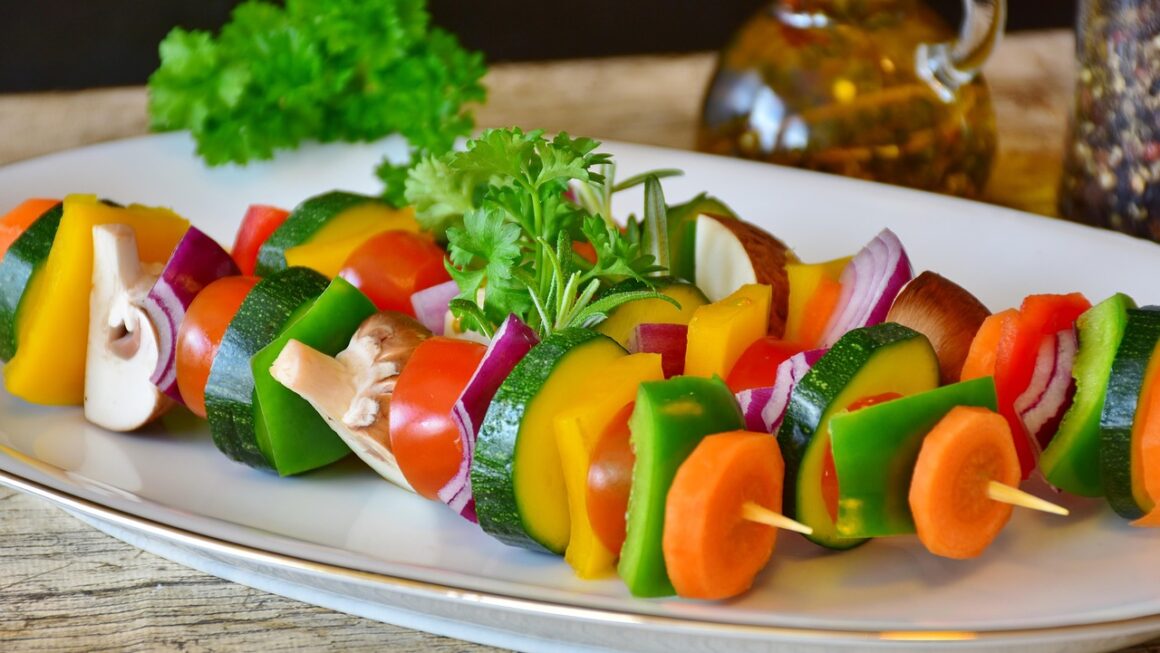
- Other Favorites: Zucchini, asparagus, bell peppers (in moderation), mushrooms, green beans, eggplant.
Practical Tip: Roasting vegetables with olive oil and herbs brings out their natural sweetness and makes them incredibly flavorful. Try roasted broccoli with garlic and parmesan for a simple side.
Quick & Easy Keto Dinner Solutions for Busy Weeknights
Don’t let a packed schedule derail your keto goals. These strategies and recipes prove that easy keto dinners can be on the table in minutes.
One-Pan Wonders
Minimal cleanup and maximum flavor make one-pan recipes a weeknight hero.
- Sheet Pan Sausage and Peppers: Slice your favorite low-carb sausages (check labels!), bell peppers, onions (in moderation), and zucchini. Toss with olive oil, Italian seasoning, salt, and pepper. Roast at 400°F (200°C) for 20-25 minutes until vegetables are tender and sausage is cooked through.
- Baked Salmon with Asparagus: Lay salmon fillets and asparagus spears on a baking sheet. Drizzle with lemon juice, olive oil, and dill. Bake at 400°F (200°C) for 12-15 minutes.
Actionable Takeaway: Invest in a good quality sheet pan. These recipes are highly adaptable – swap out proteins and veggies based on what you have on hand.
Speedy Stir-Fries and Salads
When time is of the essence, these options come together in a flash.
- Shrimp & Broccoli Stir-Fry: Sauté shrimp and broccoli florets with garlic and ginger in sesame oil. Finish with a splash of tamari or coconut aminos for a soy-free, low-carb sauce.
- Chicken Avocado Salad: Combine shredded cooked chicken (rotisserie chicken is a shortcut!) with diced avocado, chopped celery, red onion, and a creamy dressing made from mayonnaise, Dijon mustard, and apple cider vinegar. Serve in lettuce cups or over mixed greens.
Practical Tip: Keep pre-cooked chicken or hard-boiled eggs on hand for instant protein boosts in salads and stir-fries.
Batch Cooking Basics
Spending a little time on the weekend can save hours during the week.
- Cooked Proteins: Roast a whole chicken, grill extra chicken breasts, or cook a large batch of ground beef. These can be quickly repurposed into different meals.
- Chopped Veggies: Wash and chop your favorite low-carb vegetables so they’re ready to grab for stir-fries, omelets, or as a quick snack.
Actionable Takeaway: Dedicate an hour or two on Sunday to meal prep. This greatly increases your chances of sticking to your weeknight keto plan.
Family-Friendly Keto Dinners That Everyone Will Love
Eating keto doesn’t mean cooking separate meals. Many traditional comfort foods can be easily adapted to be keto-friendly, ensuring everyone at the table enjoys a satisfying meal.
Comfort Food Makeovers
Reinvent beloved classics with clever low-carb substitutions.
- Keto Lasagna: Use thinly sliced zucchini, eggplant, or even deli-sliced chicken/turkey as noodle replacements. Fill with a rich meat sauce and a creamy ricotta mixture.
- Cauliflower “Mac” and Cheese: Steam cauliflower florets until tender, then toss with a rich cheese sauce made from heavy cream, cream cheese, cheddar, and a touch of mustard. Bake until bubbly.
- Bun-less Burgers or Lettuce Wraps: Serve grilled or pan-fried burger patties wrapped in large lettuce leaves or simply with a knife and fork, loaded with avocado, bacon, cheese, and sugar-free condiments.
Practical Tip: When making a new keto version of a family favorite, emphasize the familiar flavors and textures. Kids especially respond well to meals that “look” like their favorites.
Kid-Approved Options
Sneaking in healthy keto ingredients can be easier than you think.
- “Fathead” Pizza: A popular keto dough made from mozzarella, cream cheese, almond flour, and an egg makes a delicious, chewy pizza base that kids often love. Load it with low-carb toppings.
- Chicken Nuggets (Keto Style): Coat chicken pieces in a mixture of crushed pork rinds and parmesan cheese, then bake or air fry until golden and crispy. Serve with sugar-free ketchup.
Actionable Takeaway: Involve children in the cooking process. They are often more willing to try foods they helped prepare.
Adapting Meals for Mixed Diets
Cooking for keto and non-keto eaters simultaneously is simpler than it seems.
- “Deconstructed” Meals: Prepare a protein (e.g., grilled chicken) and a variety of low-carb vegetables. Non-keto family members can add rice, pasta, or potatoes to their plates, while keto eaters stick to the low-carb components.
- Sauces and Toppings on the Side: Make sure sauces and toppings are keto-friendly, and let everyone customize their plates. For example, a taco night can feature seasoned ground beef, cheese, avocado, and salsa for keto eaters, with tortillas offered separately.
Actionable Takeaway: Focus on the main protein and vegetables as the base, then offer carb-heavy sides separately. This reduces cooking time and allows flexibility.
Elevating Your Keto Dinner Experience: Tips for Success
Consistency and enjoyment are key to a sustainable ketogenic lifestyle. These tips will help you make every healthy keto meal a success.
Smart Meal Planning
A little planning goes a long way in ensuring you always have delicious, compliant options.
- Weekly Menu: Plan your dinners for the entire week, considering your schedule and what ingredients you have. This reduces decision fatigue and impulse eating.
- Grocery List: Create a detailed grocery list based on your meal plan to avoid unnecessary purchases and ensure you have all ingredients on hand.
- Leftover Strategy: Cook larger portions intentionally so you have leftovers for lunch the next day, saving time and effort.
Practical Tip: Use a meal planning app or a simple notebook to keep track of your weekly menu and grocery needs. Reviewing successful meals helps build a repertoire of go-to recipes.
Essential Keto Pantry Staples
Stocking your pantry, fridge, and freezer with these items makes impromptu keto cooking a breeze.
- Healthy Fats: Olive oil, avocado oil, coconut oil, butter, ghee.
- Low-Carb Flours: Almond flour, coconut flour.
- Sweeteners: Erythritol, stevia, monk fruit (ensure they are pure, without added carbs).
- Canned Goods: Diced tomatoes (check carb count), full-fat coconut milk, tuna, salmon.
- Spices & Herbs: A well-stocked spice rack is your best friend for flavor.
- Frozen Veggies: Broccoli, cauliflower, spinach for quick sides.
- Proteins: Eggs, bacon, frozen meats/fish.
Actionable Takeaway: Conduct a pantry audit and gradually replace non-keto items with their low-carb counterparts. This sets you up for consistent success.
Flavor Enhancers and Low-Carb Sauces
Don’t settle for bland! Elevate your fat-burning meals with these additions.
- Fresh Herbs: Cilantro, parsley, basil, rosemary, thyme add incredible freshness.
- Garlic & Onion: The foundation of many savory dishes.
- Vinegars & Citrus: Apple cider vinegar, red wine vinegar, lemon, and lime juice brighten flavors.
- Sugar-Free Condiments: Look for sugar-free ketchup, BBQ sauce, hot sauce (check labels carefully for hidden sugars).
- Creamy Sauces: Make your own with heavy cream, cream cheese, or sour cream, seasoned with herbs and spices.
Practical Tip: A pinch of high-quality sea salt and freshly ground black pepper can transform any dish. Don’t underestimate their power!
Conclusion
Mastering keto dinner recipes is not just about adhering to a diet; it’s about embracing a lifestyle that prioritizes health, energy, and culinary enjoyment. From quick and easy weeknight solutions to comforting family favorites and gourmet options, the world of low-carb dinners is rich with possibilities. By focusing on quality proteins, healthy fats, and an abundance of non-starchy vegetables, you can create satisfying meals that keep you in ketosis, fuel your body, and delight your senses. With smart planning, a well-stocked pantry, and a dash of creativity, every dinner can be a delicious step towards your wellness goals. So, get cooking, explore new flavors, and savor the incredible benefits of a ketogenic lifestyle!