Navigating the world of ketogenic eating doesn’t mean sacrificing delicious, satisfying meals, especially when it comes to the most important meal of the day for many: dinner. A well-crafted keto dinner isn’t just about sticking to your macros; it’s about enjoying rich flavors, feeling satiated, and fueling your body for restorative sleep and sustained energy. Whether you’re a seasoned keto veteran or just starting your low-carb journey, mastering the art of the keto dinner is crucial for consistency and long-term success. This comprehensive guide will equip you with everything you need to create delectable, compliant, and easy-to-prepare ketogenic evening meals that you’ll look forward to every night.
Understanding the Keto Dinner Essentials
The foundation of any successful ketogenic diet lies in understanding its core principles, and dinner is no exception. A keto dinner is designed to keep your body in a state of ketosis, where it burns fat for fuel instead of carbohydrates. This means a careful balance of macronutrients.
The Macro Blueprint for Your Keto Dinner Plate
For dinner, as with any keto meal, your plate should primarily consist of healthy fats, moderate protein, and very low carbohydrates. While individual macros can vary, a general guideline is:
- 70-75% of calories from healthy fats: This is your primary energy source.
- 20-25% of calories from protein: Essential for muscle maintenance and satiety.
- 5-10% of calories from net carbohydrates: Crucial for staying in ketosis. Net carbs are total carbs minus fiber.
Actionable Takeaway: Before planning your dinner, familiarize yourself with the macro content of your favorite ingredients using a reliable app or online database to ensure you stay within your daily limits, especially for carbs.
Key Ingredients for a Perfect Keto Dinner
Stocking your pantry and fridge with the right ingredients is the first step to effortless keto dinner preparation. Focus on whole, unprocessed foods that naturally align with ketogenic macros.
- Protein Sources: Chicken (thighs, breasts), beef (steaks, ground beef, roasts), pork (chops, tenderloin, bacon), fish (salmon, cod, tuna), seafood (shrimp, scallops), eggs, and some full-fat dairy.
- Healthy Fats: Olive oil, avocado oil, coconut oil, butter, ghee, lard, full-fat cheeses, avocado, nuts (almonds, pecans, macadamias), seeds (chia, flax, hemp).
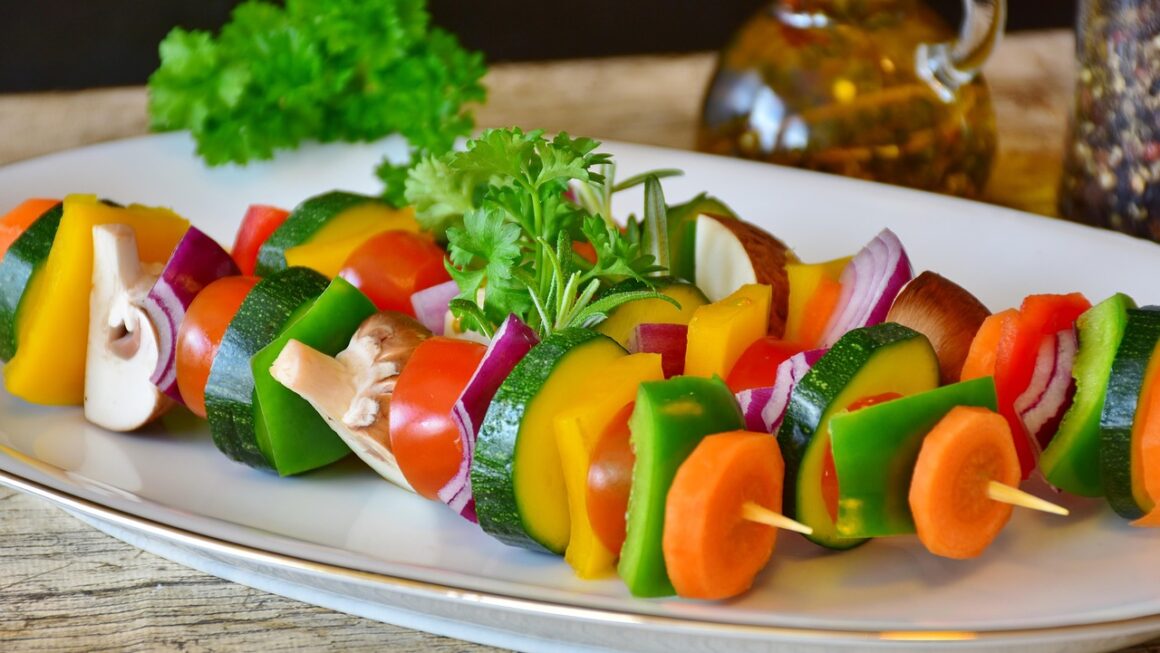
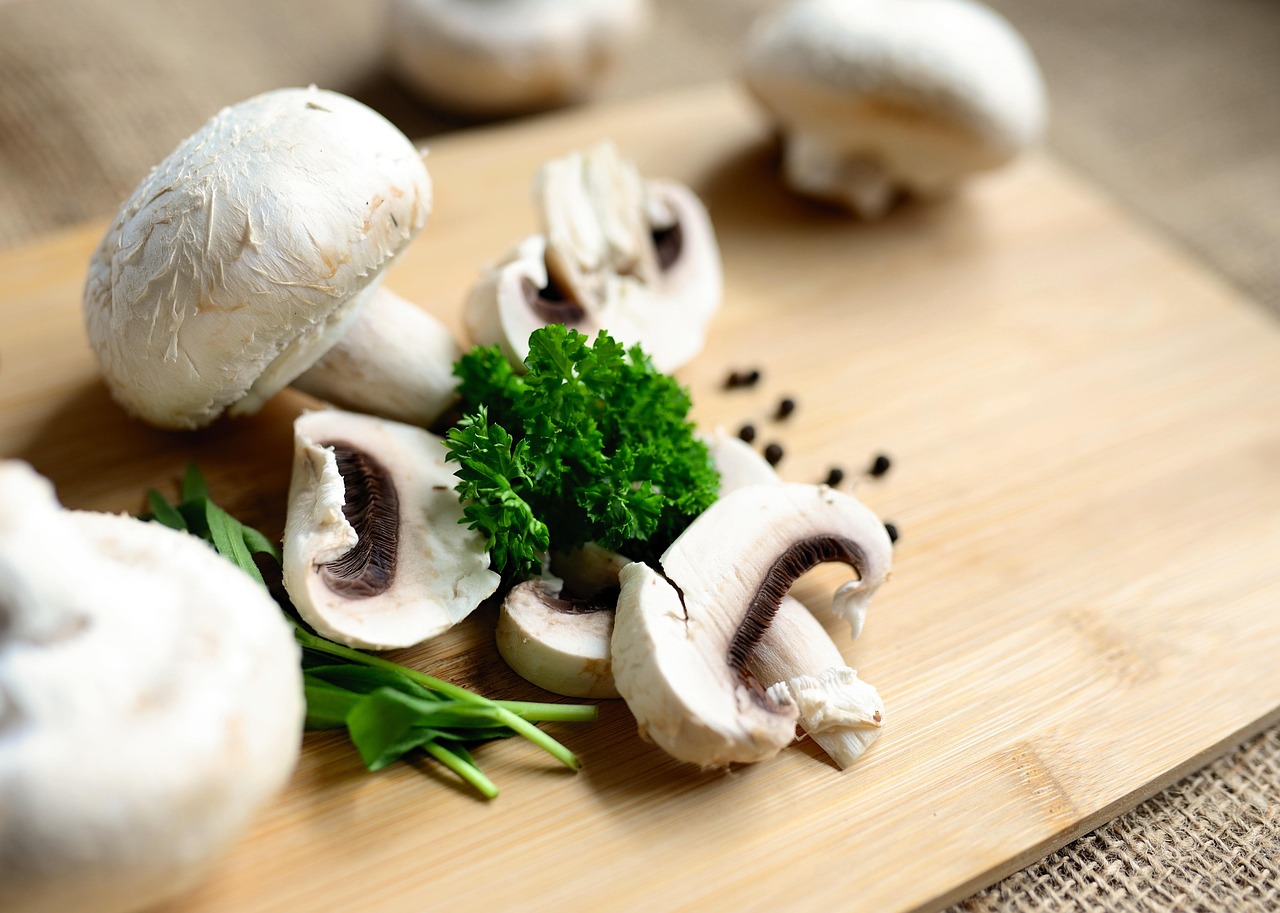
- Low-Carb Vegetables: Leafy greens (spinach, kale, lettuce), broccoli, cauliflower, asparagus, zucchini, bell peppers (in moderation), mushrooms, green beans.
- Flavor Enhancers: Herbs (fresh and dried), spices, sugar-free sauces and condiments, lemon juice, vinegars.
Practical Example: A simple yet effective keto dinner could be grilled salmon (protein, fat) served with a generous side of sautéed spinach and garlic (low-carb veggie, fat from cooking oil), topped with a slice of avocado (healthy fat).
Building Your Perfect Keto Dinner Plate
Crafting a balanced and satisfying keto dinner involves thoughtful combination of ingredients. Think in terms of a main protein, a healthy fat source, and a vibrant low-carb vegetable side.
Protein Powerhouses: The Centerpiece of Your Meal
Protein is essential for satiety and muscle health. Aim for a moderate portion, typically 4-6 ounces (raw weight) per serving, depending on your individual needs.
- Chicken & Poultry: Chicken thighs are excellent due to their higher fat content. Roast a whole chicken, grill breasts, or make a creamy chicken casserole.
- Beef & Pork: Steaks, roasts, and ground beef offer versatility. Think keto meatloaf, beef and broccoli stir-fry (with cauliflower rice), or savory pork chops.
- Fish & Seafood: Fatty fish like salmon and mackerel are omega-3 powerhouses. Shrimp, cod, and scallops are also fantastic options that cook quickly.
- Eggs: Don’t underestimate eggs for dinner! A frittata, omelet, or scrambled eggs with cheese and veggies can be a quick, protein-packed meal.
Healthy Fat Foundations: Fueling Your Body
Fats are your primary energy source on keto. Don’t be afraid to embrace them in your cooking and as toppings.
- Cooking Fats: Cook your proteins and vegetables in butter, ghee, coconut oil, olive oil, or avocado oil. These add flavor and crucial healthy fats.
- Creamy Additions: Heavy cream, cream cheese, sour cream, and full-fat Greek yogurt (in moderation for carbs) can create rich sauces and dips.
- Avocado & Nuts/Seeds: Sliced avocado adds creaminess and healthy monounsaturated fats. A sprinkle of nuts or seeds provides crunch and healthy fats.
Low-Carb Veggie Stars: Fiber & Micronutrient Boost
Vegetables provide essential vitamins, minerals, and fiber, helping with digestion and overall health. Focus on non-starchy varieties.
- Cruciferous Veggies: Broccoli, cauliflower, Brussels sprouts, and cabbage are incredibly versatile. Roast them, steam them, or mash cauliflower as a potato substitute.
- Leafy Greens: Spinach, kale, Swiss chard, and collard greens are excellent sautéed, in salads, or added to soups and stews.
- Other Favorites: Asparagus, green beans, zucchini, bell peppers, mushrooms, and eggplant are all great choices.
Actionable Takeaway: Follow the “Protein + Fat + Veggie” formula. Start with your preferred protein, choose a healthy fat to cook it in or pair with it, and then add a generous serving of a low-carb vegetable.
Quick & Easy Keto Dinner Ideas for Busy Weeknights
One of the biggest hurdles to maintaining a ketogenic diet is time. Fortunately, many delicious keto dinners can be whipped up in under 30 minutes, making them perfect for busy weeknights.
One-Pan Wonders: Minimal Cleanup, Maximum Flavor
Sheet pan meals are a lifesaver. They require minimal prep and cleanup, and everything cooks together beautifully.
- Keto Lemon Herb Chicken & Asparagus Sheet Pan: Toss chicken thighs, asparagus spears, and lemon slices with olive oil, garlic powder, dried herbs (oregano, thyme), salt, and pepper. Roast at 400°F (200°C) for 20-25 minutes until chicken is cooked through and veggies are tender-crisp.
- Sausage & Bell Pepper Roast: Slice your favorite sugar-free sausage (e.g., Italian sausage), bell peppers, and onions. Toss with a drizzle of avocado oil and spices, then roast until cooked and slightly charred.
Speedy Skillets: Fast & Flavorful
Skillet meals are another fantastic option for quick keto dinners. They often involve ground meat or thinly sliced proteins that cook rapidly.
- Creamy Garlic Shrimp with Zucchini Noodles: Sauté shrimp with garlic in butter. Add heavy cream, a sprinkle of parmesan, and cook until thickened. Serve over spiralized zucchini noodles (zoodles) quickly sautéed or raw.
- Ground Beef & Cauliflower Rice Skillet: Brown ground beef with onions and garlic. Add riced cauliflower, diced bell peppers, and a keto-friendly tomato sauce or cream sauce. Simmer until heated through.
Meal Prep Power: Plan Ahead for Success
Even if you don’t fully prep meals, having components ready can drastically cut down dinner time.
- Pre-chopped Veggies: Chop a week’s worth of broccoli, cauliflower, or zucchini on Sunday.
- Cooked Protein: Grill or bake a batch of chicken breasts or ground beef to be used in various meals throughout the week.
- Homemade Dressings/Sauces: Prepare a keto-friendly ranch, blue cheese, or vinaigrette to quickly dress salads or veggies.
Actionable Takeaway: Dedicate 15-20 minutes on a Sunday to basic meal prep like chopping vegetables or cooking a batch of protein. This small effort will pay off immensely during the busy workweek.
Elevating Your Keto Dinner Experience: Flavor & Variety
Sticking to keto doesn’t mean eating bland or repetitive meals. With a little creativity, you can transform simple ingredients into exciting, gourmet-worthy dinners.
Spice Up Your Life: The Art of Seasoning
Herbs and spices are your best friends in the keto kitchen. They add depth and complexity without adding carbs.
- Classic Combinations: Garlic, onion powder, salt, and black pepper are staples.
- Herbal Infusions: Rosemary, thyme, oregano, basil, parsley, cilantro – use fresh whenever possible for vibrant flavor.
- Spice Blends: Experiment with pre-made sugar-free blends like Italian seasoning, Cajun seasoning, chili powder, or curry powder.
- Marinades & Rubs: Create keto-friendly marinades with olive oil, vinegar, lemon juice, herbs, and spices to infuse flavor into meats before cooking.
Practical Example: A simple grilled chicken breast can be transformed with a generous rub of smoked paprika, cumin, and cayenne for a smoky kick, or marinated in olive oil, lemon juice, and fresh dill for a Mediterranean flair.
Global Inspirations: Keto Adaptations of World Cuisines
Many beloved international dishes can be easily adapted to be keto-friendly by swapping high-carb ingredients for low-carb alternatives.
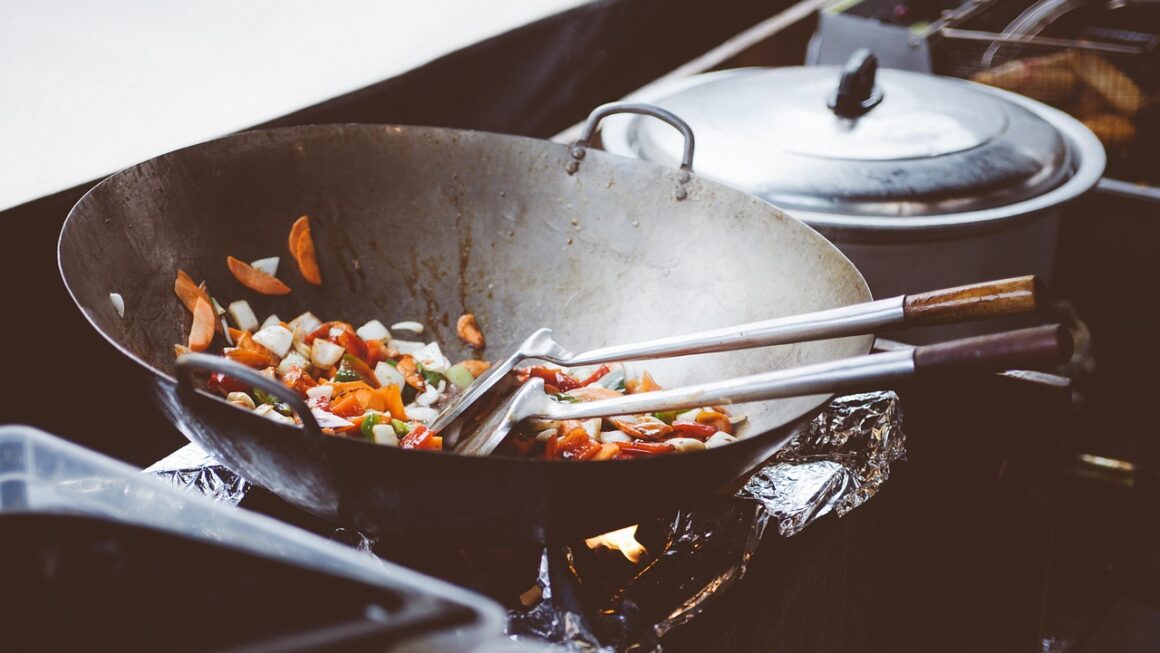
- Keto Asian Stir-fry: Use cauliflower rice instead of white rice, and a sugar-free soy sauce alternative (like tamari or coconut aminos) for stir-fry sauce. Load up on broccoli, bok choy, and mushrooms with your protein of choice.
- Keto Italian Favorites: Enjoy Chicken Parmesan by breading chicken with almond flour and grated parmesan, serving it with a low-carb marinara sauce and mozzarella. Make zucchini lasagna instead of pasta-based.
- Mexican-Inspired Keto: Create taco salads in lettuce cups, make fajitas with bell peppers and onions (skip the tortillas), or enjoy a loaded keto chili.
The Role of Sauces & Dips: Creaminess & Indulgence
Keto allows for rich, creamy sauces that are often off-limits on other diets. These can elevate any dinner.
- Cream-Based Sauces: Make a rich mushroom cream sauce for steak, a lemon-butter-garlic sauce for fish, or a creamy pesto sauce for chicken.
- Homemade Dressings: Whisk together olive oil, vinegar (apple cider, red wine), Dijon mustard, and herbs for a fresh vinaigrette. Or blend avocado, lime juice, cilantro, and olive oil for a creamy dressing.
- Fat Bombs (Savory): While often sweet, savory fat bombs like a small pat of herb butter or a dollop of cream cheese dip can be a delicious addition to your plate.
Actionable Takeaway: Don’t be afraid to explore new spices, adapt your favorite non-keto recipes, and experiment with rich, keto-friendly sauces to keep your dinners exciting and varied.
Common Keto Dinner Challenges & Solutions
Even with the best intentions, you might encounter bumps on your keto dinner journey. Here’s how to overcome common challenges.
Carb Creep Prevention: Staying Strictly Low-Carb
Hidden carbs can quickly add up, especially at dinner when you might be feeling tired or less vigilant.
- Read Labels Meticulously: Always check nutrition labels for sauces, marinades, processed meats (like some sausages), and even some spices. Many contain added sugars or starches.
- Beware of Restaurant Traps: Even seemingly keto-friendly dishes can have hidden sugars in glazes, dressings, or marinades.
- Focus on Whole Foods: The more you cook from scratch with whole, unprocessed ingredients, the less likely you are to encounter hidden carbs.
Practical Example: Instead of buying pre-marinated chicken, buy plain chicken and make your own keto marinade. Opt for a simple olive oil and vinegar dressing at a restaurant instead of a creamy, potentially sugary option.
Dining Out on Keto: Strategies for Success
Eating out doesn’t have to derail your keto progress. With a few strategies, you can enjoy a meal with friends and family.
- Research Menus Online: Check the restaurant’s menu beforehand to identify keto-friendly options and plan modifications.
- Ask for Modifications: Don’t hesitate to ask for sauces on the side, swap starchy sides (fries, rice, potatoes) for extra vegetables (steamed broccoli, side salad with oil and vinegar), or request no breading on proteins.
- Choose Simple Dishes: Steaks, grilled fish, bunless burgers, and large salads with fatty protein are generally safe bets.
Actionable Takeaway: Be prepared and assertive when dining out. Don’t be shy about asking for what you need to stay on track.
Battling Boredom: Keeping Meals Interesting
Eating the same few meals repeatedly can lead to meal fatigue and a desire to quit. Variety is key for long-term adherence.
- Recipe Rotation: Keep a collection of 10-15 go-to keto dinner recipes and rotate them weekly. Introduce a new recipe every couple of weeks.
- Experiment with New Ingredients: Try a new cut of meat, a different type of seafood, or an unfamiliar low-carb vegetable (e.g., kohlrabi, daikon radish).
- Explore Keto Cookbooks & Blogs: Regularly seek out new inspiration from reliable keto resources to keep your meal plans fresh and exciting.
Actionable Takeaway: Prioritize variety in your keto dinner planning. A diverse diet is not only more enjoyable but also ensures a wider range of micronutrients.
Conclusion
Crafting delicious and satisfying keto dinners is not only achievable but can be a highlight of your ketogenic lifestyle. By understanding the essential macro blueprint, building plates with wholesome proteins, healthy fats, and low-carb vegetables, and embracing creative cooking techniques, you can enjoy an endless array of flavorsome meals. From quick weeknight solutions to gourmet weekend feasts, the world of keto dinner possibilities is vast and exciting. Remember to plan, adapt, and experiment, and you’ll find that maintaining ketosis through dinner is not just easy, but a genuinely enjoyable culinary journey. Embrace the fat, savor the flavor, and make every keto dinner a testament to healthy, delicious living.