
Embarking on a ketogenic lifestyle often means a significant shift in dietary habits, prioritizing healthy fats and minimal carbohydrates. While many foods are easy to categorize, the world of snacks can sometimes feel like a minefield. Nuts, in particular, are a popular choice for their satisfying crunch, healthy fats, and convenience. But are all nuts created equal when it comes to maintaining ketosis? Absolutely not! Choosing the right nuts can be a game-changer for hitting your macros, providing essential nutrients, and keeping hunger at bay without derailing your progress. Dive in as we uncover the ultimate guide to keto-friendly nuts, ensuring your snack game is strong and perfectly aligned with your low-carb goals.
Understanding Keto-Friendly Nuts: The Low-Carb Advantage
On a ketogenic diet, the primary goal is to consume very few carbohydrates, forcing your body to burn fat for fuel instead of glucose. This metabolic state is called ketosis. Nuts, while generally considered healthy, vary significantly in their carbohydrate content. To be truly keto-friendly, a nut must offer a high ratio of healthy fats and moderate protein, with a very low net carbohydrate count per serving.
What Makes a Nut Keto-Friendly?
- Low Net Carbs: This is the most critical factor. Net carbs are calculated by subtracting the fiber content from the total carbohydrates. Fiber is a carbohydrate that your body can’t digest, so it doesn’t impact blood sugar or ketosis.
- High Healthy Fats: Nuts are a fantastic source of monounsaturated and polyunsaturated fats, which are crucial for satiety and energy on a keto diet.
- Moderate Protein: While important, excessive protein can be converted into glucose (gluconeogenesis), potentially kicking you out of ketosis. Most nuts have a balanced protein profile that fits well.
Why Are Nuts Important on Keto?
Beyond being delicious, the right nuts offer a plethora of benefits for those following a ketogenic diet:
- Satiety: The combination of fat, fiber, and protein helps you feel fuller for longer, reducing the urge to snack on non-keto foods.
- Micronutrients: Nuts are packed with essential vitamins and minerals like magnesium, selenium, zinc, and Vitamin E, which can sometimes be lacking in restrictive diets.
- Fiber Content: Crucial for digestive health and helps in achieving that low “net carb” count.
- Antioxidants: Many nuts are rich in antioxidants, which combat oxidative stress and inflammation.
Actionable Takeaway: Always prioritize nuts with the lowest net carb count and highest fat content to ensure they support your ketogenic goals. Checking nutritional labels for fiber content is key to calculating net carbs effectively.
Top Keto Nut Champions: Your Go-To List
Not all nuts are created equal for the keto diet. Here’s a detailed look at the best options, celebrated for their low carb count and impressive nutritional profiles.
Macadamia Nuts
Often hailed as the king of keto nuts, macadamias boast an unparalleled fat-to-carb ratio.
- Nutritional Snapshot (per 1 oz / 28g serving): Approx. 200 calories, 21g fat, 4g total carbs, 2g fiber (2g net carbs), 2g protein.
- Benefits:
- Extremely high in monounsaturated fats (MUFAs), known for heart health benefits.
- Very low in net carbs, making them ideal for strict keto.
- Rich in thiamine, manganese, and copper.
- Practical Use: Enjoy them raw or roasted as a snack, chop them for a crunchy salad topping, or use macadamia nut butter in fat bombs.
Pecans
These buttery nuts are another excellent choice, offering a delicious taste with a solid keto macro profile.
- Nutritional Snapshot (per 1 oz / 28g serving): Approx. 196 calories, 20g fat, 4g total carbs, 3g fiber (1g net carb), 2.6g protein.
- Benefits:
- One of the lowest net carb nuts available.
- Packed with antioxidants, including flavonoids and ellagic acid.
- Good source of manganese and copper, important for metabolic health.
- Practical Use: Perfect for baking keto-friendly desserts, sprinkling over yogurt, or adding to a cheese board.
Brazil Nuts
Known for their distinctive flavor and impressive selenium content, Brazil nuts are a powerful addition to your keto diet, but remember moderation due to selenium.
- Nutritional Snapshot (per 1 oz / 28g serving): Approx. 187 calories, 19g fat, 3.3g total carbs, 2g fiber (1.3g net carbs), 4g protein.
- Benefits:
- An exceptional source of selenium (just 1-2 nuts provide your daily recommended intake!), vital for thyroid function and immune health.
- Good source of magnesium and zinc.
- Practical Use: A couple of Brazil nuts a day are enough to get your selenium. They can be enjoyed as a standalone snack or chopped into trail mix.
Walnuts
These brain-shaped nuts are famous for their omega-3 fatty acid content, making them a heart-healthy and keto-friendly option.
- Nutritional Snapshot (per 1 oz / 28g serving): Approx. 185 calories, 18.5g fat, 3.9g total carbs, 1.9g fiber (2g net carbs), 4.3g protein.
- Benefits:
- Richest nut source of alpha-linolenic acid (ALA), a plant-based omega-3 fatty acid crucial for brain and heart health.
- High in antioxidants like polyphenols.
- Supports gut health.
- Practical Use: Great in salads, blended into pesto, or as a crunchy topping for roasted vegetables.
Almonds
Almonds are versatile and widely available, offering a good balance of healthy fats, protein, and fiber, though they have a slightly higher net carb count than the top contenders.
- Nutritional Snapshot (per 1 oz / 28g serving): Approx. 164 calories, 14g fat, 6g total carbs, 3.5g fiber (2.5g net carbs), 6g protein.
- Benefits:
- Excellent source of Vitamin E, a powerful antioxidant.
- High in magnesium, crucial for blood sugar control and muscle function.
- Good source of fiber, aiding digestion.
- Practical Use: Almonds make a great snack, and almond flour is an indispensable ingredient in keto baking. They can also be used to make almond milk (unsweetened) and almond butter.
Actionable Takeaway: Diversify your nut intake to benefit from the unique nutrient profiles of each. For example, a handful of macadamias for fat, a couple of Brazil nuts for selenium, and some walnuts for omega-3s.
Nuts to Approach with Caution (or Avoid Entirely) on Keto
While many nuts are beneficial, some varieties contain significantly higher carbohydrate counts, making them less suitable for a strict ketogenic diet. Understanding which nuts to limit or avoid is just as important as knowing which ones to embrace.
Cashews
Often loved for their creamy texture, cashews are unfortunately one of the highest-carb nuts.
- Nutritional Snapshot (per 1 oz / 28g serving): Approx. 157 calories, 12g fat, 9g total carbs, 1g fiber (8g net carbs), 5g protein.
- Why to Limit: A single ounce of cashews contains around 8g of net carbs, which can quickly consume a large portion of your daily carb allowance (typically 20-50g for keto). They are fine in very small quantities if you track meticulously, but it’s generally safer to avoid them.
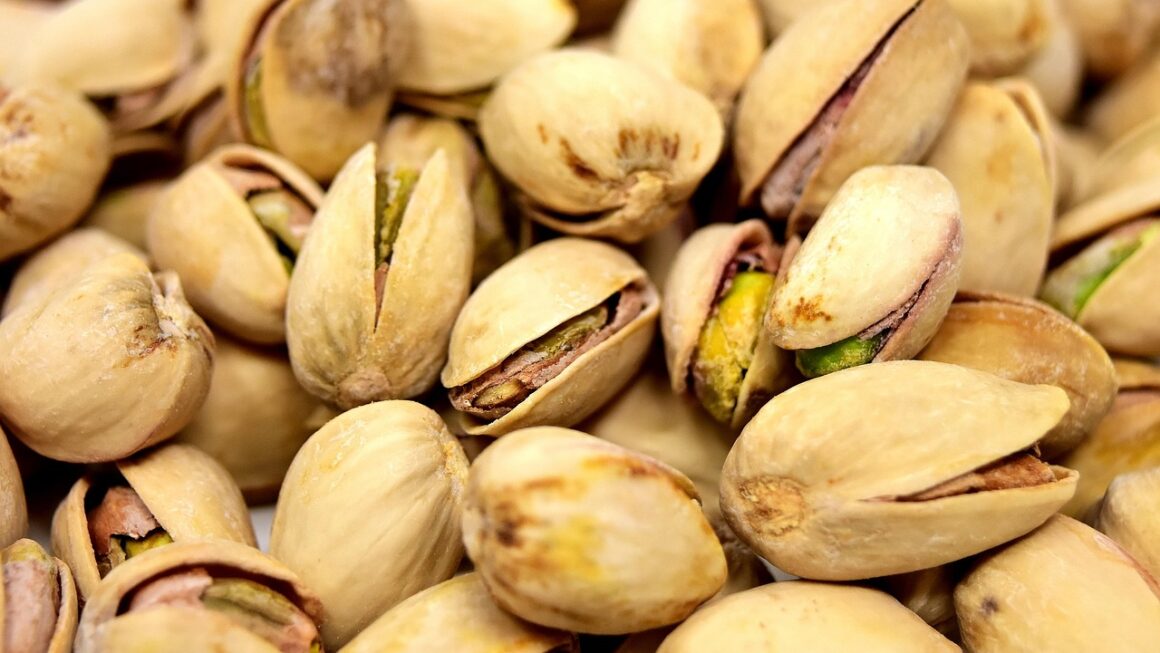
Pistachios
Pistachios offer a lovely color and flavor but also come with a higher carb load than many other nuts.
- Nutritional Snapshot (per 1 oz / 28g serving): Approx. 160 calories, 13g fat, 8g total carbs, 3g fiber (5g net carbs), 6g protein.
- Why to Limit: While lower than cashews, 5g of net carbs per ounce can still add up quickly, especially if you enjoy them by the handful. Portion control is absolutely critical if you choose to include them.
Peanuts (Technically Legumes, Not True Nuts)
Though often grouped with nuts, peanuts are actually legumes. While they can be lower in carbs than some tree nuts, they still need careful consideration.
- Nutritional Snapshot (per 1 oz / 28g serving): Approx. 160 calories, 14g fat, 4.6g total carbs, 2.4g fiber (2.2g net carbs), 7g protein.
- Why to Limit/Consider:
- Though their net carb count is relatively low (similar to almonds), peanuts can be inflammatory for some individuals due to their lectin content.
- They are also higher in omega-6 fatty acids, and an excessive intake of omega-6s relative to omega-3s can promote inflammation.
- Always check labels for added sugars in peanut butter.
Actionable Takeaway: Always read the nutrition labels meticulously. Don’t assume all nuts are keto-friendly. Opt for the truly low-carb options to keep your carb intake well within limits and maintain ketosis without effort.
Maximizing Your Keto Nut Experience: Practical Tips and Recipes
Incorporating keto-friendly nuts into your diet effectively means more than just knowing which ones to eat. It involves smart portion control, creative culinary uses, and proper storage.
Portion Control is Key
Even the most keto-friendly nuts are calorie-dense and can contain some carbs. Overconsumption can lead to exceeding your calorie goals or even your carb limit.
- Mindful Snacking: Pre-portion nuts into small bags or containers to avoid overeating directly from a large bag. A standard serving size is typically 1 ounce (28 grams), which is about a small handful.
- Track Your Intake: Use a food tracking app to log your nut consumption, especially when you’re starting out, to get a good sense of their impact on your macros.
Creative Ways to Enjoy Keto Nuts
Nuts are incredibly versatile and can enhance many keto meals and snacks:
- Snack Time:
- Enjoy them raw or lightly roasted (without added oils or sugars) for a quick, satisfying crunch.
- Create a homemade keto trail mix with various low-carb nuts, seeds (like pumpkin or sunflower), and perhaps a few sugar-free chocolate chips.
- Meal Enhancements:
- Chop walnuts or pecans and sprinkle them over salads for added texture and healthy fats.
- Use crushed macadamia nuts or almonds as a breading for chicken or fish instead of traditional breadcrumbs.
- Add them to low-carb granolas or breakfast bowls.
- Keto Baking and Cooking:
- Almond Flour & Pecan Flour: Essential for many keto baking recipes, from cakes and cookies to savory crusts. Ensure you’re buying blanched almond flour for the best results in baking.
- Nut Butters: Opt for natural nut butters made solely from nuts (and maybe a pinch of salt), avoiding those with added sugars or unhealthy oils. Macadamia nut butter or almond butter are great choices.
- Fat Bombs: Incorporate nut butters or chopped nuts into homemade keto fat bombs for a delicious energy boost.
Storage Tips for Freshness
Due to their high fat content, nuts can go rancid if not stored properly, affecting their taste and nutritional quality.
- Airtight Containers: Always store nuts in airtight containers to protect them from air and moisture.
- Cool, Dark Place: For short-term storage, a pantry is fine.
- Refrigeration/Freezing: For longer storage (especially for larger quantities), refrigerate or freeze nuts. This significantly extends their shelf life and preserves their healthy fats.
Actionable Takeaway: Integrate nuts into your diet strategically. Use them as a tool for satiety, flavor, and nutrition, always being mindful of portions and ingredient quality (especially for nut butters and flours).
Conclusion
Incorporating keto-friendly nuts into your ketogenic lifestyle is a smart and satisfying strategy. They offer a potent combination of healthy fats, fiber, and essential micronutrients, helping you stay full, energized, and on track with your low-carb goals. By understanding the critical difference in net carb counts, you can confidently choose champions like macadamia nuts, pecans, Brazil nuts, and walnuts, while approaching higher-carb options like cashews and pistachios with extreme caution.
Remember, the power of nuts on keto lies not just in their carb profile but also in mindful portion control and creative culinary applications. So, go ahead and elevate your snack game, enrich your meals, and nourish your body with these fantastic low-carb gems. Your ketogenic journey just got a whole lot crunchier and more delicious!