
Embarking on a ketogenic diet can feel like stepping into a new culinary world, brimming with exciting flavors and incredible health benefits. However, the initial journey often begins with a common challenge: navigating the grocery store aisles. What exactly do you buy? What should you avoid? A well-prepared keto shopping list isn’t just a convenience; it’s your blueprint for success, ensuring your pantry and fridge are stocked with delicious, low-carb essentials to keep you in ketosis and feeling your best. This comprehensive guide will equip you with everything you need to confidently fill your cart, making your keto lifestyle both sustainable and incredibly satisfying.
The Foundation: Proteins & Healthy Fats
The cornerstones of any successful ketogenic diet are high-quality proteins and an abundance of healthy fats. These are your primary energy sources and vital for satiety, muscle maintenance, and overall well-being.
High-Quality Proteins
Proteins are essential for muscle repair and growth, and they help keep you feeling full and satisfied. On a ketogenic diet, you’ll want to prioritize fatty cuts of meat where possible, but lean options are also great.
- Meats:
- Beef: Ground beef (80/20 or 70/30 is excellent for fat content), steaks (ribeye, sirloin, New York strip), roasts. Look for grass-fed options if budget allows for higher omega-3s.
- Chicken: Thighs, drumsticks, wings (skin-on for fat), whole chicken. Chicken breast is fine but remember to add fat during cooking.
- Pork: Pork belly, chops, bacon (sugar-free is crucial!), sausage (check for fillers/sugars).
- Lamb: Chops, ground lamb.
- Fish & Seafood:
- Fatty Fish: Salmon, mackerel, sardines, tuna (packed in olive oil), anchovies – rich in omega-3 fatty acids.
- Leaner Fish: Cod, halibut, tilapia (ensure you add extra fat when cooking).
- Shellfish: Shrimp, crab, lobster, scallops (in moderation, as some can be slightly higher in carbs).
- Eggs: A versatile and affordable keto staple. Always have a carton (or two!) of large eggs on hand. They’re perfect for breakfast, lunch, dinner, or a quick snack. Pasture-raised eggs often have a better nutritional profile.
Actionable Takeaway: Prioritize variety in your protein sources to ensure a broad spectrum of nutrients. When buying processed meats like bacon or sausage, always check the label for hidden sugars and starches.
Healthy Fats for Fuel
Fats are your primary fuel source on keto, so don’t shy away from them! Incorporating healthy fats into every meal is key to staying in ketosis and feeling energized.
- Oils:
- Olive Oil: Extra virgin for dressings and finishing, regular for cooking at lower temperatures.
- Coconut Oil: Great for cooking, baking, and adding to coffee. Contains MCTs (medium-chain triglycerides).
- Avocado Oil: High smoke point, neutral flavor, excellent for cooking, frying, and salad dressings.
- MCT Oil: A supplement derived from coconut oil, it provides quick energy for the brain and body.
- Dairy Fats:
- Butter/Ghee: Grass-fed butter is ideal, rich in conjugated linoleic acid (CLA). Ghee is clarified butter, suitable for those sensitive to dairy solids.
- Avocados: Fresh, creamy, and packed with monounsaturated fats and potassium. Perfect in salads, as a side, or blended into smoothies.
- Nuts & Seeds (in moderation):
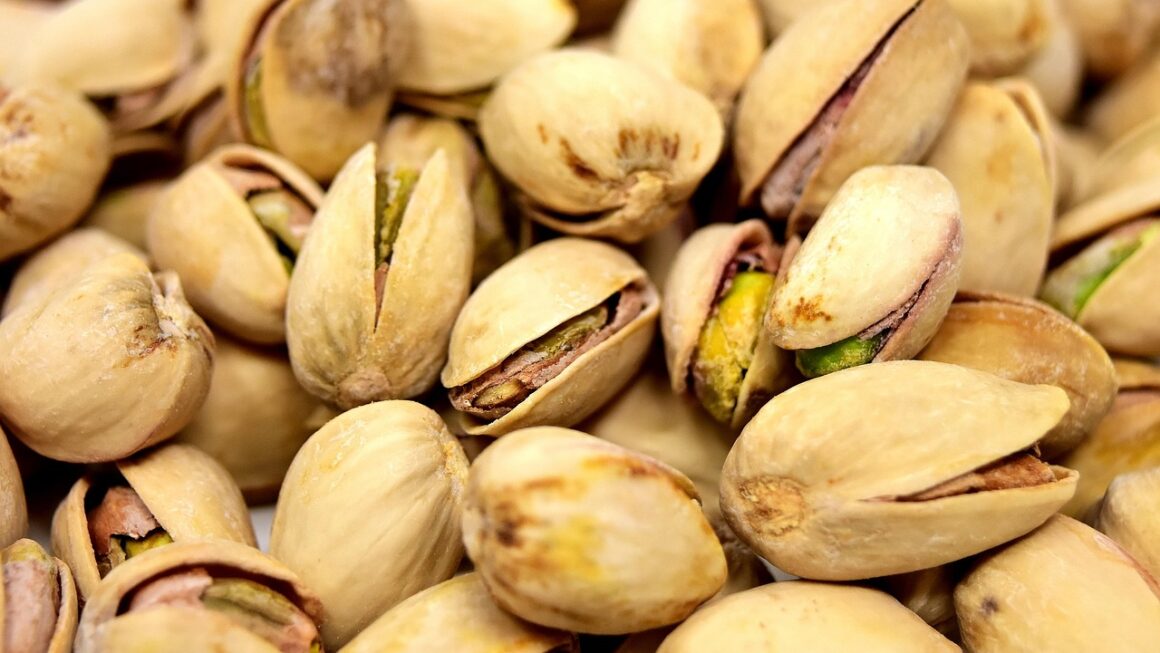
- Nuts: Almonds, walnuts, pecans, macadamia nuts (low-carb options).
- Seeds: Chia seeds, flax seeds, hemp seeds (great for fiber and omega-3s).
Actionable Takeaway: Stock up on at least two high-quality cooking oils and always have avocados on your keto shopping list. Remember that “healthy” fats are not the same as processed fats (like hydrogenated oils).
Greens & Non-Starchy Vegetables: Your Micronutrient Powerhouses
While often associated with meat and fat, vegetables are crucial on a ketogenic diet. They provide essential vitamins, minerals, and fiber without a significant carb load, aiding digestion and overall health.
Leafy Greens
These are super low in carbs and packed with nutrients. Eat them generously!
- Spinach: Versatile for salads, sautéing, or adding to scrambled eggs.
- Kale: Great roasted, in salads (massaged), or added to smoothies.
- Lettuce: Romaine, butter lettuce, spring mix for fresh salads and wraps.
- Collard Greens & Swiss Chard: Excellent cooked down with a bit of bacon fat.
Practical Tip: Keep a bag of pre-washed greens in your fridge for quick meal prep.
Cruciferous & Other Low-Carb Veggies
These vegetables offer a wealth of nutrients and are incredibly versatile for cooking.
- Broccoli: Steamed, roasted, or sautéed.
- Cauliflower: The ultimate keto chameleon! Use it for rice, mashed “potatoes,” pizza crusts, or roasted florets.
- Brussels Sprouts: Delicious roasted with bacon.
- Asparagus: Pan-fried or roasted.
- Zucchini & Yellow Squash: Spiralize them into “zoodles,” grill them, or sauté them.
- Bell Peppers: Red, yellow, and orange peppers are slightly higher in carbs than green, so enjoy in moderation. Green peppers are the lowest.
- Mushrooms: Button, cremini, portobello – add umami to any dish.
- Green Beans: Steamed or sautéed.
- Artichokes: Fresh or canned (check for added sugars/oils).
Actionable Takeaway: Aim for at least 2-3 cups of non-starchy vegetables daily. Fresh is best, but frozen options without added sauces or ingredients are a convenient and equally nutritious alternative. These are vital for fiber and micronutrients that keep your body running optimally on a ketogenic diet.
Dairy & Dairy Alternatives: Creamy & Delicious
Dairy can be a fantastic source of fat and flavor on a keto diet, but it’s crucial to choose full-fat, low-carb options. For those sensitive to dairy, there are excellent alternatives.
Full-Fat Dairy Options
These products add richness and creaminess to your meals and drinks.
- Cheeses:
- Hard Cheeses: Cheddar, mozzarella, provolone, Gouda, Swiss, Parmesan (shredded or blocks).
- Soft Cheeses: Cream cheese, mascarpone, goat cheese, brie.
- Heavy Cream: Essential for sauces, coffee, whipped cream, and keto desserts. Ensure it’s unsweetened.
- Sour Cream (Full-Fat): Great as a topping or an ingredient in creamy sauces.
- Plain Full-Fat Greek Yogurt: In moderation, check carb count carefully as some brands add thickeners or sugars.
- Cottage Cheese (Full-Fat): Also in moderation, check carb counts.
Important Note: Always check the nutrition label for carb counts, especially with cheeses, as they can vary between brands. Stick to full-fat versions to maximize satiety and fat intake.
Dairy-Free Alternatives
For those avoiding dairy, these options ensure you don’t miss out on creamy textures and flavors.
- Unsweetened Almond Milk: A great low-carb alternative for smoothies, coffee, or recipes.
- Full-Fat Canned Coconut Milk: Use the thick cream from the top for sauces, curries, or whipping.
- Nutritional Yeast: Provides a cheesy, umami flavor for dairy-free sauces or sprinkling on vegetables.
Actionable Takeaway: Dairy can easily add hidden carbs. Always opt for full-fat, unsweetened varieties and get into the habit of reading nutrition labels to keep your carb intake in check.
Condiments, Spices & Pantry Staples: Flavor Boosters
A well-stocked pantry with the right condiments and spices can transform simple ingredients into gourmet keto meals, proving that low-carb eating is far from bland.
Flavorful Condiments
These add punch and zest to your dishes without adding hidden sugars.
- Mustard: Dijon, yellow, whole grain (check labels for sugar).
- Hot Sauce: Tabasco, Frank’s RedHot, sriracha (check for sugar, some brands are better than others).
- Mayonnaise: Look for avocado oil-based mayo without added sugars.
- Vinegars: Apple cider vinegar, red wine vinegar, white vinegar (great for dressings and marinades).
- Sugar-Free Ketchup/BBQ Sauce: Read labels carefully for erythritol or stevia-sweetened options.
- Soy Sauce / Tamari: Use tamari (gluten-free soy sauce) or coconut aminos for a lower sodium, soy-free alternative.
- Pickles/Olives: Great for snacks or adding tang to meals (ensure sugar-free).
Critical Tip: Condiments are notorious for hidden sugars. Make label reading a habit for every item on your keto shopping list.
Essential Spices & Herbs
Zero-carb flavor bombs that should be in every keto kitchen.
- Salt & Pepper: Himalayan pink salt, sea salt, freshly ground black pepper.
- Garlic Powder & Onion Powder: For quick flavor.
- Paprika (smoked, sweet), Cumin, Chili Powder: For Tex-Mex and other cuisines.
- Italian Seasoning, Oregano, Basil, Thyme, Rosemary: For Mediterranean flavors.
- Cinnamon: Great for keto baking or coffee.
- Fresh Herbs: Parsley, cilantro, basil, dill, chives (elevate any dish).
Actionable Takeaway: Don’t underestimate the power of spices and herbs. A well-stocked spice rack allows for endless culinary creativity on your low carb shopping journey.
Other Pantry Essentials
These items can be useful for specific recipes, baking, or enhancing your keto lifestyle.
- Sugar Substitutes: Erythritol, stevia, monk fruit, xylitol (be cautious with pets).
- Broth: Bone broth (for added collagen and electrolytes) or regular chicken/beef broth (ensure no added sugars).
- Low-Carb Flours: Almond flour, coconut flour (for occasional keto baking).
- Psyllium Husk Powder: Great for fiber and adding structure to keto baked goods.
- Chia Seeds & Flax Seeds: Excellent sources of fiber and omega-3s.
- Canned Tomatoes: Diced, crushed, or paste (check carb counts, use in moderation).
Practical Example: Use almond flour and erythritol to bake delicious keto cookies, or add a dash of bone broth to a stir-fry for an extra nutritional boost.
Smart Shopping Strategies & Tips
Successfully navigating the grocery store on a ketogenic diet is as much about strategy as it is about knowing what to buy. Here are some pro tips to make your trips efficient and effective.
Plan Before You Go
The golden rule of successful keto shopping is preparation.
- Create a Weekly Meal Plan: Decide what you’ll eat for breakfast, lunch, and dinner. This helps avoid impulse purchases and food waste.
- Build Your Keto Shopping List: Based on your meal plan, make a detailed list. Organize it by grocery store sections (produce, dairy, meat, etc.) to save time.
- Eat Before You Shop: Shopping hungry often leads to buying tempting, non-keto items.
Actionable Takeaway: A pre-planned keto shopping list dramatically increases your chances of sticking to your diet and budget. Studies show that shoppers with a list spend significantly less and make healthier choices.
Read Labels Like a Pro
This is arguably the most important skill for a keto dieter.
- Focus on Net Carbs: Calculate net carbs (Total Carbs – Fiber – Sugar Alcohols) to determine how many carbs will affect your blood sugar.
- Beware of Hidden Sugars: Sugar goes by many names (dextrose, maltose, corn syrup, fruit juice concentrate, etc.). If it ends in “-ose,” it’s likely sugar.
- Check Serving Sizes: A small serving size might have low carbs, but if you eat more, the carbs can quickly add up.
- Scrutinize Ingredient Lists: Avoid ingredients like grains, potatoes, beans, and high-sugar fruits.
Practical Example: A “sugar-free” sauce might still contain maltodextrin, which can spike blood sugar. Always read the full ingredient list, not just the front label claims.
Buy in Bulk Wisely
Bulk buying can save money and reduce trips to the store, but only for the right items.
- Meats & Proteins: Purchase larger cuts of meat when they’re on sale and freeze individual portions.
- Non-Perishables: Keto-friendly oils, nuts, seeds, and canned goods (like olives or full-fat coconut milk) are good for bulk purchases.
- Frozen Vegetables: Unsweetened frozen broccoli, spinach, and cauliflower are excellent value and last longer than fresh.
Actionable Takeaway: Use your freezer as your best friend for bulk purchases. This ensures you always have keto-friendly foods on hand, even when fresh supplies run low.
Don’t Forget Water & Electrolytes
While not strictly a “food,” proper hydration and electrolyte balance are critical for keto success, especially when starting.
- Hydrate: Drink plenty of water throughout the day. Dehydration can exacerbate “keto flu” symptoms.
- Electrolytes: Sodium, potassium, and magnesium are often depleted on keto. Incorporate sodium through generous salting of food, potassium through avocados and leafy greens, and magnesium through supplements or dark leafy greens. Bone broth is also a great source of electrolytes.
Practical Example: Add a pinch of Himalayan pink salt to your water, or enjoy a cup of warm bone broth to replenish electrolytes.
Conclusion
Mastering your keto shopping list is one of the most empowering steps you can take on your ketogenic journey. By understanding which proteins, healthy fats, low-carb vegetables, and essential pantry staples to prioritize, you’ll set yourself up for sustained success, delicious meals, and improved health. Remember to plan your meals, scrutinize labels, and keep your kitchen stocked with the right ingredients. With practice, grocery shopping will become second nature, allowing you to enjoy all the incredible benefits of the ketogenic diet with confidence and ease. Happy shopping, and may your keto kitchen always be full of flavor and wholesome goodness!