The crackle of a campfire, the whisper of the wind through the trees, and the stunning canvas of the night sky – camping offers an unparalleled escape from the everyday. Yet, for many, the thought of managing meals in the great outdoors can feel like a daunting chore, threatening to disrupt the very peace they seek. But what if your camp kitchen could be just as relaxing as your campsite? The secret lies in embracing easy camping meals. Forget elaborate, multi-ingredient recipes and endless cleanup; with a little planning and the right ideas, you can savor delicious, satisfying food without sacrificing your precious adventure time. This guide will unlock a world of simple, delicious camping food ideas that are perfect for any outdoor enthusiast, from seasoned wilderness explorers to first-time family campers.
Why Easy Camping Meals Are a Game-Changer
Transforming your camp cooking approach from complicated to convenient isn’t just about saving time; it’s about enriching your entire camping experience. When meal prep is simple, every moment spent outdoors feels more rewarding.
Maximizing Outdoor Enjoyment
- More Time for Adventure: Less time chopping, stirring, and cleaning means more hours for hiking, fishing, swimming, or simply relaxing by the campfire. A study by Kampgrounds of America (KOA) found that campers prioritize relaxation and spending time outdoors. Simple meals directly support this.
- Reduced Stress: Fumbling with complex recipes in a limited outdoor kitchen can be frustrating. Easy meals reduce decision fatigue and the pressure to perform, allowing you to truly unwind.
- Enhanced Companionship: When cooking is quick, everyone can participate, or you can spend more quality time with family and friends rather than being isolated in the kitchen area.
Minimizing Gear and Cleanup
- Lighter Load: Simple recipes often require fewer ingredients and less specialized equipment, translating to a lighter pack. This is crucial for backpacking and even car camping with limited space.
- Easier Cleanup: One-pot meals, foil packets, and no-cook options drastically cut down on dishwashing. Less water used, less soap, and less effort mean a more eco-friendly and enjoyable cleanup process.
- Less Food Waste: Streamlined menus with fewer ingredients reduce the likelihood of bringing too much food or ingredients that might spoil before use.
Safety and Efficiency in the Outdoors
- Safer Food Handling: With fewer steps and ingredients, there are fewer opportunities for cross-contamination or improper food storage, which is especially important where refrigeration is limited.
- Fuel Conservation: Quicker cooking times mean less fuel burned, extending the life of your propane or white gas supply – a critical consideration on longer trips.
- Adaptability: Simple recipes are often more forgiving and easier to adjust based on available ingredients or unexpected weather changes.
Actionable Takeaway: Before your next trip, commit to trying at least one new, incredibly simple recipe from this list. You’ll immediately feel the difference in your stress levels and free time!
Breakfast Boosters: Simple Starts to Your Day
Fueling up for a day of outdoor activities doesn’t have to involve elaborate cooking. These simple campfire recipes and no-fuss camping food ideas ensure you start your day right, every time.
No-Cook Wonders
- Overnight Oats: Prepare dry ingredients (oats, chia seeds, powdered milk, sugar, dried fruit) in a Ziploc bag at home. At camp, just add water (or shelf-stable milk) the night before, stir, and wake up to a ready-to-eat, hearty breakfast.
- Example: Mix ½ cup rolled oats, 1 tbsp chia seeds, 1 tbsp brown sugar, a pinch of cinnamon, and ¼ cup dried berries. Add 1 cup water/milk and stir.
- Granola with Shelf-Stable Milk & Fruit: Pack your favorite granola, individual cartons of shelf-stable milk, and a banana or apple. Effortless and nutritious.
- Bagels with Cream Cheese/Nut Butter: Bagels travel well and can be paired with pre-portioned cream cheese, peanut butter, or even jam for a quick and satisfying bite.
Quick-Cook Classics
- Scrambled Eggs in a Bottle: Crack and whisk eggs at home, then pour them into a clean, empty water bottle with a tight lid. Store in your cooler. At camp, just pour into a hot, oiled pan and scramble. Add pre-cooked bacon bits or shredded cheese for extra flavor.
- Tip: Don’t forget salt and pepper!
- Instant Oatmeal with Toppings: A classic for a reason. Elevate instant oatmeal with pre-packed toppings like nuts, seeds, dried fruit, or a drizzle of maple syrup.
- Breakfast Burritos (Pre-Prepped): Sauté onions, peppers, and your choice of sausage or bacon at home. Cool and store in a bag. At camp, reheat the mixture, warm tortillas, and add the egg bottle mixture directly to the pan for scrambled eggs. Assemble with cheese.
Campfire Favorites (Minimal Effort)
- Campfire French Toast: Whisk eggs, milk (or shelf-stable milk powder mixed with water), and cinnamon in a shallow container at home. At camp, dip bread slices and cook on a griddle over the campfire or a camp stove. Serve with maple syrup.
Actionable Takeaway: Pre-mix all your dry breakfast ingredients at home and portion them into individual bags. This one step saves significant time and mess at your campsite.
Lunch on the Go: Fueling Afternoon Adventures
Lunch needs to be quick, easy to prepare, and preferably packable for those days you’re exploring away from camp. These easy camping meals are designed to be eaten quickly, keeping you energized.
Packable Powerhouses
- Gourmet Sandwiches/Wraps: Prepare fillings at home (e.g., tuna salad, chicken salad, hummus and veggie mix) and store in separate containers. Assemble fresh at lunchtime or pack pre-made, avoiding soggy ingredients like tomatoes until just before eating.
- Example: Tortillas, pre-cooked seasoned chicken strips, a bag of mixed greens, and a squeeze bottle of dressing.
- Hard-Boiled Eggs & Cheese Sticks: Protein-packed and requires zero cooking. Pair with crackers for a satisfying crunch.
- Canned Sardines/Tuna with Crackers: Don’t underestimate the convenience of canned fish. It’s an excellent source of protein and omega-3s, requiring just a can opener and a fork.
Trail Mix & Snack Boards
- Custom Trail Mix: Forget expensive pre-made mixes. Create your own blend of nuts, seeds, dried fruit, pretzels, and chocolate pieces. Portion into individual bags for easy grabbing.
- “Charcuterie” Camp Board: A rustic, no-cook spread featuring shelf-stable salami or pepperoni, pre-cut cheeses, crackers, olives, and cherry tomatoes. Minimal effort, maximum enjoyment.
Leftover Lunch Solutions
- Reheated Dinner Leftovers: Plan your dinners with leftovers in mind. A hearty chili or stew from the night before makes an excellent, easy-to-reheat lunch over a camp stove.
- Tip: Store leftovers in a sturdy, airtight container in the cooler immediately after dinner.
Actionable Takeaway: Invest in good, reusable containers for packing lunch components. This keeps ingredients fresh and prevents squishing during transport, especially when hiking.
Dinner Delights: Effortless Evening Feasts
After a day of adventure, a warm, satisfying dinner is a must. These simple campfire recipes and one-pot wonders are the epitome of no-fuss camping food, designed for deliciousness with minimal effort.
One-Pot Wonders
The beauty of one-pot meals lies in their simplicity and minimal cleanup, making them quintessential easy camping meals.
- Campfire Chili: This is a classic for a reason. Pre-cook ground beef or turkey at home and drain the fat. At camp, combine the meat with canned diced tomatoes, kidney beans, chili seasoning, and a splash of water or broth in a large pot. Simmer until heated through. Serve with pre-shredded cheese and tortilla chips.
- Sausage and Peppers Pasta: Cook pasta in a single pot. Drain most of the water, then add pre-sliced cooked sausage (like smoked sausage), pre-chopped bell peppers and onions, and a jar of your favorite pasta sauce. Heat until bubbly.
- Lentil or Bean Stew: For a hearty vegetarian option, combine canned lentils or beans with canned diced tomatoes, vegetable broth, and pre-chopped root vegetables (carrots, potatoes). Season well and simmer.
Foil Packet Magic
Foil packets are the ultimate easy campfire recipes. They cook directly in the coals or on a grill grate, locking in flavor and making cleanup a breeze.
- Sausage and Veggie Packets: Slice smoked sausage, potatoes (pre-boiled slightly at home for faster cooking), bell peppers, and onions. Toss with olive oil and your favorite seasoning blend (e.g., garlic powder, paprika, salt, pepper). Divide onto large squares of heavy-duty foil, seal tightly, and cook in hot coals or on a grill for 20-30 minutes, flipping once.
- Fish and Asparagus: Place a fish fillet (cod, salmon, or tilapia work well) on foil with a handful of asparagus spears, a pat of butter, lemon slices, and a dash of salt and pepper. Seal and cook until fish is flaky.
- Chicken Fajita Packets: Slice chicken breast, bell peppers, and onions. Toss with fajita seasoning and a splash of oil. Wrap in foil and cook until chicken is done. Serve with tortillas and pre-portioned salsa.
Skewer Sensations
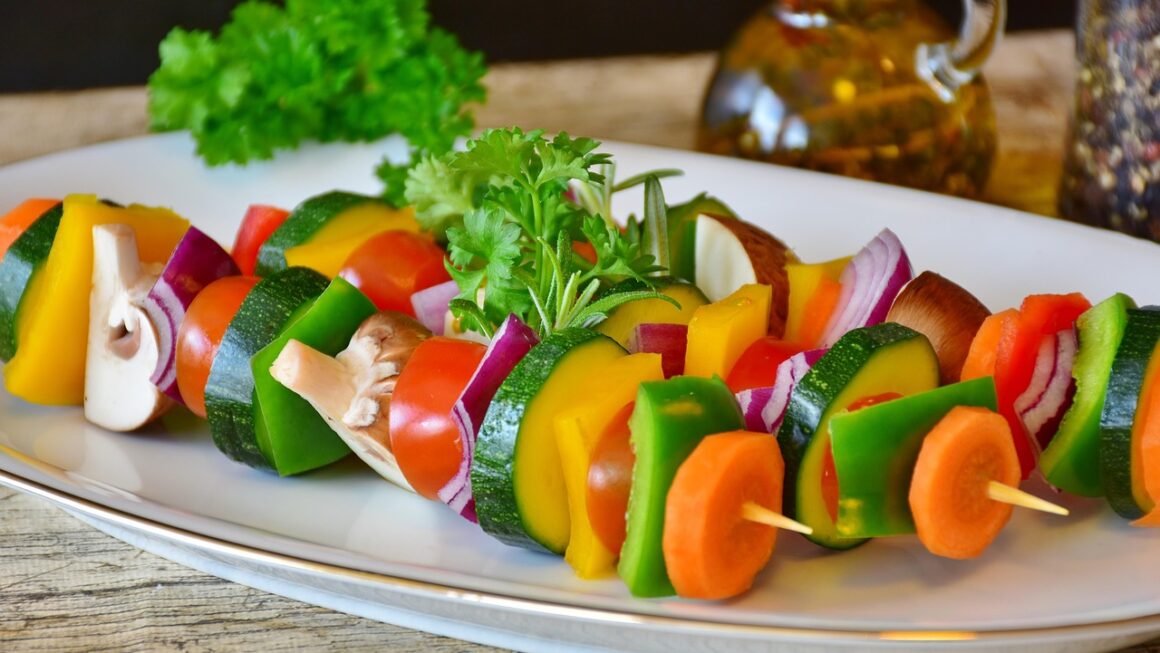
- Pre-Marinated Kebabs: At home, cut chicken, beef, or firm tofu into cubes and marinate them with your favorite sauce. Skewer them with pre-cut veggies (bell peppers, onions, zucchini). At camp, simply grill over a grate or campfire.
- Hot Dogs / Sausages on Sticks: The ultimate simple campfire food. Roast over an open flame until perfectly charred. Serve in buns with pre-packed condiments.
Actionable Takeaway: For foil packets, always use heavy-duty aluminum foil, and double-wrap if cooking directly in coals to prevent tearing and ash contamination.
Sweet Treats & Smart Hydration
No camping trip is complete without a little something sweet, and staying hydrated is paramount for safety and enjoyment. These are simple ways to satisfy both needs.
Simple Campfire Desserts
- S’mores (The Quintessential Camping Dessert): Graham crackers, marshmallows, and chocolate bars. Roast marshmallows over the fire until golden (or delightfully charred!), then sandwich between graham crackers with chocolate.
- Grilled Fruit: Pineapple rings, peach halves, or banana boats (banana split lengthwise, filled with chocolate chips and marshmallows, wrapped in foil, and cooked in coals) become wonderfully caramelized and delicious over heat.
- Chocolate Orange Cake: Cut an orange in half, scoop out the pulp (eat it!), then fill the rind with pre-mixed chocolate cake batter. Wrap in foil and cook in the coals until done.
Hydration Hacks
- Water Filter/Purifier: Especially for backcountry camping, a reliable water filter or purification tablets are essential. This allows you to refill from natural sources.
- Electrolyte Tablets/Powders: Hot weather or strenuous activity can deplete electrolytes. Keep some tablets or powders on hand to mix with water.
- Herbal Tea Bags & Instant Coffee: Warm drinks are comforting in the morning or on cool evenings. Just boil water and steep.
Actionable Takeaway: Always pack more water than you think you’ll need, and consider a reusable water bottle with a filter for peace of mind.
Pro Tips for Stress-Free Camp Cooking
Beyond the recipes themselves, effective planning and organization are the cornerstones of truly effortless camp cooking. Implement these pro tips for a smoother experience.
Pre-Trip Preparation is Key
- Chop & Dice at Home: Pre-cut all vegetables (onions, peppers, carrots, etc.) and store them in labeled, airtight bags or containers. This saves valuable time, cleanup, and knife safety concerns at camp.
- Pre-Mix Dry Ingredients: Combine spices, flour mixes, and even pancake batter dry ingredients in Ziploc bags. Label clearly.
- Portion Sauces & Spices: Instead of lugging full bottles, transfer smaller amounts of oil, sauces, and frequently used spices into small, reusable travel containers.
- Marinate Meats: Marinate any meats (for kebabs, fajitas, etc.) in a freezer bag at home. The marinade will tenderize the meat, and the bag can be frozen, acting as an extra ice pack in your cooler.
Master Your Camp Kitchen
- Dedicated Camp Kitchen Box: Store all your essential cooking gear (stove, fuel, pots, pans, utensils, cutting board, dish soap, sponge, trash bags) in one sturdy, easy-to-access bin.
- Essential Tools: A good knife, cutting board, spatula, tongs, can opener, bottle opener, and a durable cast-iron skillet are invaluable.
- Garbage Bags: Always bring plenty of trash bags and practice “Leave No Trace” principles. Pack out everything you pack in, including food scraps.
Plan for Perishables & Storage
- Strategic Cooler Packing: Place items you’ll use first on top. Use block ice (lasts longer) or dry ice (very cold, for freezing) at the bottom. Fill empty spaces with crumpled newspaper or towels to minimize air circulation.
- Prioritize Shelf-Stable Options: Rely heavily on canned goods, dried foods, root vegetables, and other non-perishables for the bulk of your meals.
- Food Safety First: Always keep perishable foods below 40°F (4°C). If in doubt, throw it out – especially when far from medical help.
Actionable Takeaway: Create a detailed meal plan and corresponding shopping list before you leave. Then, spend an hour or two on pre-prep at home. This simple effort will drastically improve your camp cooking efficiency.
Conclusion
Embracing easy camping meals isn’t about sacrificing flavor; it’s about smart planning, efficient execution, and maximizing the joy of being outdoors. By opting for one-pot wonders, ingenious foil packet recipes, and clever no-cook options, you reclaim valuable time previously spent on complicated cooking and laborious cleanup. Remember, the best camp food is the food that allows you to fully immerse yourself in the natural beauty surrounding you, stress-free. So, next time you pack your bags and head for the wilderness, take these simple camping food ideas with you. You’ll not only eat well but also create lasting memories forged around a crackling fire, with the peace of mind that comes from a truly effortless camp kitchen. Happy camping, and happy eating!