Are your weekdays a whirlwind of rushed decisions and last-minute takeout orders? Do you dream of enjoying nourishing, delicious meals without the daily culinary scramble? Enter easy vegetarian meal prep – a game-changer for anyone looking to save time, eat healthier, and simplify their life. Embracing plant-based meal preparation isn’t just a trend; it’s a sustainable lifestyle choice that empowers you to take control of your diet, budget, and precious free time. Imagine waking up knowing your breakfast is ready, or grabbing a prepped, vibrant lunch without a second thought. This comprehensive guide will walk you through the simple steps to mastering vegetarian meal prep, making it an enjoyable and effortless part of your routine.
Why Embrace Easy Vegetarian Meal Prep?
Diving into the world of plant-based meal prep offers a multitude of benefits that extend far beyond just having food ready. It’s about cultivating a healthier, more organized, and stress-free approach to eating.
Save Time During Busy Weekdays
One of the most compelling reasons to start meal prepping is the incredible amount of time you reclaim. Instead of cooking multiple times a day, you dedicate a few hours once or twice a week. This consolidation means:
- Reduced Daily Cooking Stress: No more frantic cooking after a long workday.
- Quicker Access to Meals: Grab and go breakfasts and lunches, ready-to-heat dinners.
- More Free Time: Spend evenings relaxing, exercising, or pursuing hobbies instead of in the kitchen.
For instance, preparing a big batch of quinoa and roasted vegetables on Sunday can provide the base for 3-4 lunches and dinners throughout the week, saving you hours of chopping and cooking during peak busy times.
Boost Your Health & Nutrition
When you prep your own healthy vegetarian meals, you’re in control of every ingredient. This leads to better dietary choices and improved health outcomes:
- Portion Control: Easily manage your intake, aiding in weight management or specific dietary goals.
- Nutrient-Rich Meals: Focus on whole foods, fresh produce, and lean protein sources like lentils, beans, and tofu.
- Avoid Unhealthy Impulses: Less likely to opt for fast food or unhealthy snacks when nutritious options are readily available.
A study published in the American Journal of Preventive Medicine indicated that individuals who frequently cook at home consume fewer calories, less sugar, and less fat than those who cook less often.
Slash Your Grocery Bill
Budget-friendly meal prep is a significant advantage. Planning your meals ahead of time means:
- Reduced Impulse Buys: A structured shopping list helps you stick to what you need.
- Utilize Sales & Seasonal Produce: Plan meals around ingredients that are on offer or in season, which are typically cheaper.
- Less Food Waste: By planning portions and repurposing ingredients, you minimize spoilage and waste, making your groceries go further.
For example, buying a large bag of dried lentils is far more economical per serving than buying individual cans of ready-made lentil soup.
Reduce Food Waste
Food waste is a growing concern, both environmentally and financially. Meal prep directly addresses this by:
- Intentional Ingredient Use: Every item you buy has a purpose in your planned meals.
- Repurposing Leftovers: Cooked grains or vegetables from one meal can become a new dish the next day.
- Proper Storage: Learning to store food correctly extends its shelf life.
Planning to use all parts of a vegetable, like broccoli florets for a stir-fry and stems for a creamy soup, is a smart way to maximize your purchases and reduce waste.
Essential Tools & Pantry Staples for Vegetarian Meal Prep
Getting started with easy vegetarian meal prep doesn’t require a gourmet kitchen, but having a few key tools and a well-stocked pantry can make the process significantly smoother and more enjoyable.
Kitchen Essentials
These items will be your best friends for efficient prep:
- High-Quality Knives: A sharp chef’s knife makes chopping a breeze and is safer than dull knives.
- Cutting Boards: Multiple boards prevent cross-contamination and speed up prep.
- A Large Pot & Pan: For batch cooking grains, soups, and sautéing vegetables.
- Baking Sheets: Essential for roasting vegetables or baking tofu/tempeh.
- Food Storage Containers: Airtight, stackable containers (glass is preferred for longevity and reheating) in various sizes are a must.
- Measuring Cups & Spoons: For accurate recipe following.
- Blender/Food Processor: Great for sauces, smoothies, hummus, or chopping large quantities of vegetables.
Actionable Takeaway: Invest in a good set of glass meal prep containers. They are durable, safe for microwave and oven, and don’t stain or retain odors like plastic.
Pantry Powerhouses
Stocking your pantry with these versatile staples will ensure you always have a base for quick meals:
- Grains: Quinoa, brown rice, oats, pasta, couscous.
- Legumes: Canned or dried lentils, chickpeas, black beans, kidney beans.
- Canned Goods: Diced tomatoes, coconut milk, vegetable broth.
- Nuts & Seeds: Almonds, walnuts, chia seeds, flax seeds, sunflower seeds (for healthy fats and protein).
- Healthy Oils & Vinegars: Olive oil, avocado oil, apple cider vinegar, balsamic vinegar.
- Spices & Herbs: Cumin, paprika, turmeric, garlic powder, onion powder, dried oregano, basil, chili flakes – the backbone of flavor.
- Nutritional Yeast: A cheesy, savory flavor enhancer for many vegan dishes.
Practical Example: With canned chickpeas, diced tomatoes, and a few spices, you can whip up a delicious chickpea curry in no time, especially if your rice is already prepped.
Fresh Produce Picks
While specific produce will vary by recipe, keep these versatile items on hand for spontaneous additions:
- Leafy Greens: Spinach, kale, mixed greens (for salads or sautéing).
- Long-Lasting Vegetables: Carrots, celery, onions, bell peppers, sweet potatoes, broccoli, cabbage.
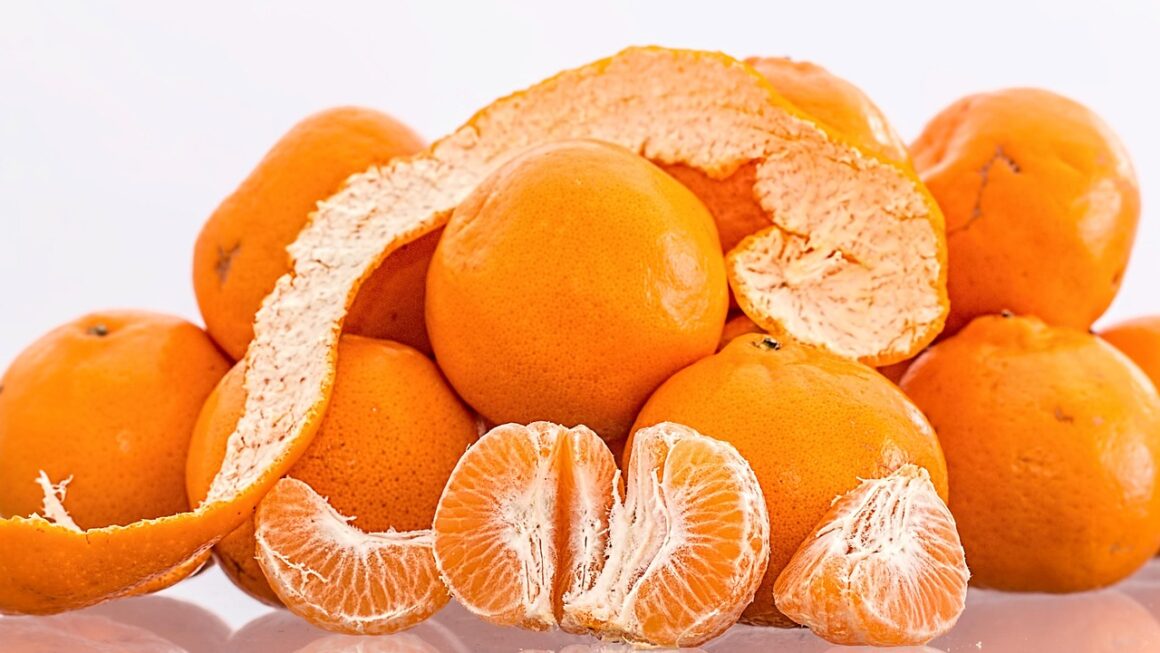
- Fruits: Apples, bananas, oranges (great for snacks or adding to breakfasts).
- Garlic & Ginger: Flavor foundations for almost any savory dish.
Actionable Takeaway: Buy produce that can be used in multiple ways. Bell peppers, for instance, work in stir-fries, fajitas, salads, or roasted vegetable medleys.
Simple Strategies for Successful Vegetarian Meal Prep
Successful vegetarian meal planning doesn’t have to be complicated. These strategies are designed to make your prep sessions efficient, enjoyable, and sustainable.
Start Small & Smart
Don’t try to prep every meal for the entire week on your first go. Overwhelm is the enemy of consistency.
- Focus on One Meal: Begin by prepping just your lunches, or perhaps just a few dinners.
- Pick 1-2 Recipes: Choose simple, familiar recipes that you enjoy.
- Dedicate Specific Time: Block out 1-2 hours on a Sunday afternoon or evening.
Practical Example: Start by only making overnight oats for your breakfasts Monday-Friday. Once that’s a routine, add a big batch of lentil soup for lunches.
Batch Cooking Basics
This is the cornerstone of efficient meal prep. Cook large quantities of individual components that can be combined in different ways throughout the week.
- Cook Grains in Bulk: Quinoa, brown rice, farro can be cooked once and stored.
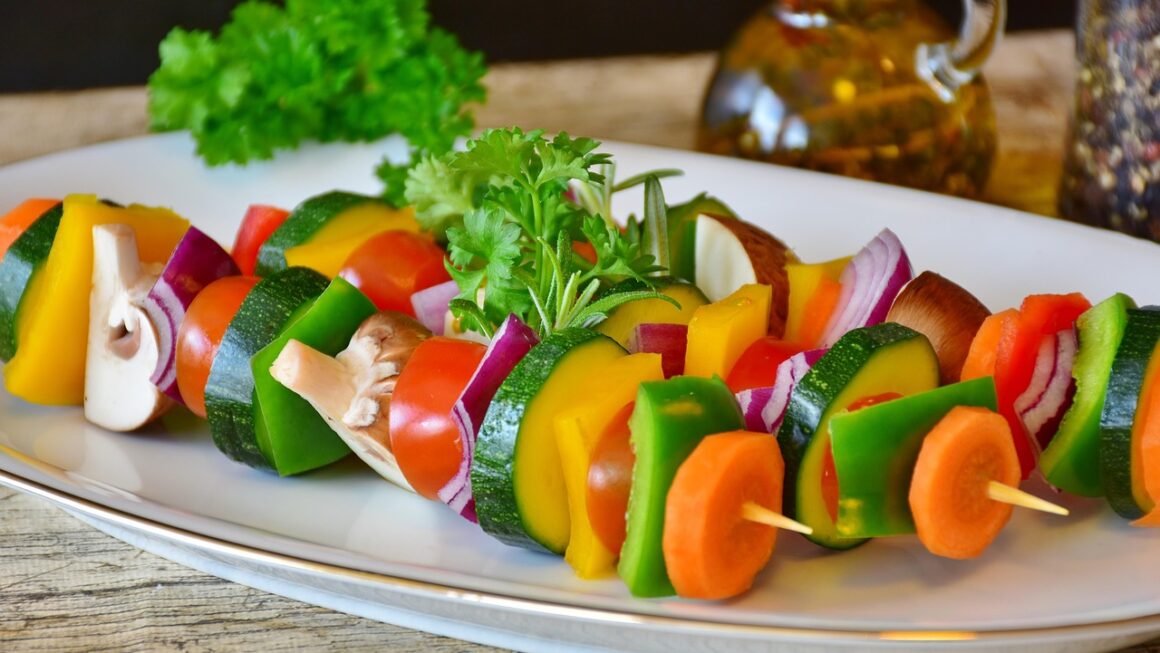
- Roast a Variety of Vegetables: Sheet pan roasting is incredibly efficient. Think broccoli, sweet potatoes, bell peppers, zucchini, carrots.
- Prepare Protein Sources: Cook a large batch of lentils, chickpeas, black beans, or bake/fry a block of tofu or tempeh.
- Whip Up a Sauce/Dressing: A versatile sauce (like a tahini dressing, pesto, or peanut sauce) can transform simple ingredients.
Actionable Takeaway: Think about your “power ingredients.” For vegetarians, these often include grains and legumes. Mastering their batch cooking is key.
The Mix-and-Match Method
Combat meal fatigue by prepping components rather than entire finished meals. This allows for variety and customization.
- Example Components: Cooked quinoa, roasted veggies, baked tofu, a batch of hummus, fresh greens.
- Meal Combinations:
- Quinoa + roasted veggies + tofu = Grain Bowl
- Greens + quinoa + hummus + raw veggies = Salad
- Tofu + roasted veggies + a tortilla = Wrap/Taco
This method keeps your meals interesting and prevents you from feeling like you’re eating the same thing every day.
Leverage Freezer-Friendly Meals
The freezer is your secret weapon for extending your meal prep efforts and ensuring you always have food on hand, even on weeks you can’t prep.
- Soups & Stews: Lentil soup, chili, vegetable stews freeze beautifully.
- Baked Goods: Muffins, breakfast burritos, veggie burgers can be frozen and reheated.
- Sauces: Pesto, marinara sauce, and even curry bases can be frozen in portions.
Practical Example: Double a recipe for a hearty black bean chili. Enjoy half fresh, and freeze the other half in individual portions for busy future evenings.
Delicious & Easy Vegetarian Meal Prep Ideas
Here are some concrete, quick vegetarian recipe ideas to inspire your next meal prep session, covering breakfast, lunch, and dinner with minimal fuss.
Breakfast Boosters
Start your day right with these grab-and-go options:
- Overnight Oats:
- Combine rolled oats, plant-based milk (almond, soy, oat), chia seeds, and your favorite toppings (berries, nuts, cinnamon, maple syrup) in a jar.
- Prep 5 jars on Sunday for quick breakfasts all week.
- Tofu Scramble Burritos:
- Scramble firm tofu with nutritional yeast, turmeric, black salt (kala namak), and your favorite veggies (spinach, bell peppers, onions).
- Portion into whole-wheat tortillas with salsa, wrap, and freeze. Reheat in microwave or oven.
- Breakfast Muffins:
- Make a batch of savory (spinach & feta-style) or sweet (berry & banana) muffins using whole-wheat flour.
- Store in an airtight container or freeze for longer storage.
Lunchbox Heroes
Say goodbye to sad desk lunches with these vibrant ideas:
- Mason Jar Salads:
- Layer dressing at the bottom, followed by hard vegetables (carrots, cucumbers), grains/beans, softer vegetables (tomatoes, corn), and finally leafy greens on top.
- When ready to eat, just shake and pour into a bowl. Stays fresh for 3-4 days.
- Mediterranean Quinoa Bowls:
- Cooked quinoa, roasted chickpeas (tossed with olive oil, paprika, cumin), cucumber, cherry tomatoes, olives, red onion, and a lemon-tahini dressing.
- Assemble components into containers; keep dressing separate until serving.
- Hearty Lentil Soup:
- A large pot of vegetable-rich lentil soup is perfect for reheating.
- Serve with a side of crusty bread or a sprinkle of fresh herbs.
Effortless Dinners
Prepping components makes evening meals a breeze:
- Sheet Pan Fajitas:
- Slice bell peppers, onions, and mix with pre-cut tofu or tempeh, fajita seasoning, and a drizzle of oil.
- Roast on a sheet pan. Store components. Reheat and serve with tortillas, salsa, and guacamole.
- Chickpea & Spinach Curry:
- Prepare a base of onions, garlic, ginger, and curry spices. Add canned tomatoes, coconut milk, chickpeas, and spinach.
- This curry base can be made ahead and stored. Reheat and serve over freshly cooked or pre-cooked brown rice.
- Pasta Sauce & Cooked Pasta:
- Make a large batch of marinara or a creamy vegan cashew sauce. Cook a large batch of your favorite pasta.
- Store separately. Mix and heat when ready to eat. Add fresh veggies or plant-based protein as desired.
Tips for Long-Term Vegetarian Meal Prep Success
To truly integrate easy vegetarian meal prep into your life and avoid burnout, consider these advanced tips for maintaining excitement and efficiency.
Flavor Hacks & Seasoning
Prevent meal fatigue by making your food exciting and flavorful.
- Herb Power: Fresh herbs (cilantro, parsley, basil) can dramatically brighten up prepped meals right before serving.
- Citrus Zest: A squeeze of lemon or lime juice adds a burst of freshness.
- Spicy Kick: Keep hot sauce, chili flakes, or sriracha on hand for an instant flavor boost.
- Flavor Boosters: Nutritional yeast for cheesiness, toasted sesame oil for nutty notes, smoked paprika for depth.
- Homemade Dressings & Sauces: These allow you to control ingredients and customize flavors, making simple meals gourmet.
Actionable Takeaway: Don’t season all your food perfectly during prep. Leave some room to add fresh elements and flavor adjustments right before you eat.
Storage Solutions for Freshness
Proper storage is crucial for extending the life of your prepped meals and preventing spoilage.
- Airtight Containers: Essential to keep oxygen out and maintain freshness.
- Cool Completely: Always let food cool to room temperature before placing it in containers and refrigerating. This prevents condensation and bacterial growth.
- Strategic Layering: For salads, follow the mason jar method (dressing, hard veggies, grains/proteins, soft veggies, greens) to prevent sogginess.
- Separate Components: Store wet and dry ingredients separately when possible (e.g., dressing apart from salad, sauce apart from pasta).
- Know Your Lifespan: Most prepped meals are good for 3-5 days in the refrigerator. Foods with high water content (like fresh greens in a mixed salad) may last less.
Practical Example: If prepping for 5 days, eat meals with more delicate ingredients (like avocado or certain greens) earlier in the week. Meals with cooked grains and sturdy roasted vegetables will last longer.
Don’t Forget Snacks!
Healthy snacking is an important part of a balanced diet, and it prevents reaching for unhealthy options.
- Pre-portioned Nuts & Seeds: Keep small bags or containers of almonds, walnuts, or pumpkin seeds.
- Chopped Veggies & Dips: Carrot sticks, cucumber slices, bell pepper strips with hummus or guacamole.
- Fruit: Apples, bananas, oranges, grapes are easy to grab.
- Energy Bites: Make a batch of no-bake energy bites using oats, nut butter, and dates.
Actionable Takeaway: Dedicate 10-15 minutes of your prep time to washing, chopping, and portioning healthy snacks for the week.
Meal Prep Safety Tips
Food safety is paramount when preparing meals in advance.
- Wash Hands & Surfaces: Always start with clean hands, utensils, and cutting boards.
- Cook to Proper Temperatures: Ensure all ingredients are cooked thoroughly.
- Rapid Cooling: Cool hot food quickly before refrigerating (within 2 hours). Divide large batches into smaller containers to speed this up.
- Reheat Thoroughly: Reheat meals to an internal temperature of 165°F (74°C) to kill any potential bacteria.
- Discard When in Doubt: If a meal smells off, looks unusual, or has been in the fridge longer than recommended, it’s safer to throw it out.
Conclusion
Embracing easy vegetarian meal prep is more than just a culinary technique; it’s a powerful tool for transforming your daily routine, enhancing your health, and regaining precious time. From slashing your grocery bill and reducing food waste to ensuring you always have a nutritious, plant-based meal at your fingertips, the benefits are undeniable. By starting small, utilizing smart strategies like batch cooking and the mix-and-match method, and having a few key tools and pantry staples, you can effortlessly integrate this habit into your life. Begin today by picking just one recipe or one meal to prep, and experience the profound positive impact it has on your well-being and peace of mind. Your future self will thank you for making the healthy, convenient choice.