
As our loved ones age, maintaining a nutritious and balanced diet becomes increasingly vital for their health and well-being. However, daily cooking can become a daunting task due to reduced mobility, energy levels, or simply a lack of motivation. This is where the concept of easy meals for elderly to reheat shines, offering a practical, convenient, and safe solution. Empowering seniors to enjoy wholesome, delicious food without the daily burden of extensive meal preparation can significantly enhance their independence and quality of life, ensuring they receive the essential nutrients needed to thrive.
Why Reheatable Meals are Essential for Seniors
The ability to simply grab a pre-made meal from the fridge or freezer and quickly reheat it offers a multitude of benefits for older adults and their caregivers. It’s a cornerstone of modern elder care that supports both physical and mental well-being.
Supporting Nutritional Needs
- Consistent Nutrition: Pre-prepared meals ensure seniors consistently receive balanced nutrition, preventing skips or reliance on less healthy, processed snacks due to fatigue or lack of supplies.
- Tailored Diets: Caregivers can meticulously plan meals to meet specific dietary requirements, such as low sodium, diabetic-friendly, or high-fiber diets, which is crucial for managing age-related health conditions.
- Appetite Management: Smaller, portion-controlled meals can be more appealing and manageable for seniors with reduced appetites, encouraging regular eating habits.
Enhancing Independence and Convenience
- Reduced Cooking Burden: Eliminates the stress and physical demands of daily cooking, allowing seniors to conserve energy for other activities.
- Increased Autonomy: Having readily available meals empowers seniors to choose what and when they eat, fostering a sense of control over their daily routine.
- Time-Saving for Caregivers: For family members or professional caregivers, meal prepping once or twice a week frees up significant time, reducing daily stress.
Promoting Safety and Reducing Risk
- Minimized Kitchen Accidents: Less time spent actively cooking on stoves or handling sharp utensils reduces the risk of burns, cuts, or falls in the kitchen.
- Food Safety Assurance: Meals prepared in advance under controlled conditions and properly stored reduce the chance of foodborne illnesses compared to impromptu, rushed cooking.
- Prevention of Malnutrition: Easy access to nourishing food reduces the likelihood of seniors skipping meals, which is a common pathway to malnutrition in older populations.
Key Considerations for Senior-Friendly Reheatable Meals
When preparing or selecting easy meals for elderly to reheat, several factors must be carefully considered to ensure they are not only convenient but also beneficial and enjoyable for seniors.
Nutritional Balance is Paramount
- Protein Power: Include lean proteins like chicken, fish, legumes, or eggs to maintain muscle mass, aid healing, and support a healthy immune system. Aim for 20-30g of protein per meal.
- Fiber-Rich Goodness: Incorporate plenty of vegetables, whole grains, and fruits to support digestive health and prevent constipation, a common issue for seniors.
- Healthy Fats: Use sources like olive oil, avocados, and nuts (if texture-appropriate) to provide energy and absorb fat-soluble vitamins.
Texture, Taste, and Digestibility
- Soft and Easy to Chew: Prioritize ingredients that are naturally soft or can be cooked until tender, avoiding tough meats or crunchy vegetables that might pose a choking hazard or be difficult for dentures. Examples include finely chopped steamed vegetables, slow-cooked meats, and pureed soups.
- Appealing Flavors: While reducing sodium, don’t compromise on flavor. Use herbs, spices, lemon juice, and vinegars to enhance taste. Many seniors experience a diminished sense of taste and smell, so vibrant, natural flavors are crucial.
- Digestibility: Opt for simpler ingredient lists and avoid overly rich or spicy foods that might cause digestive upset.
Controlling Sodium and Sugar Content
- Low Sodium: High blood pressure is prevalent in older adults. Prepare meals from scratch to control salt content, using fresh ingredients and avoiding processed foods high in sodium.
- Balanced Sugars: Minimize added sugars, especially for seniors managing diabetes. Focus on natural sweetness from fruits and vegetables.
Appropriate Portion Sizes
- Individual Servings: Portioning meals into individual containers is crucial. This prevents overeating or food waste and ensures a consistent, appropriate caloric intake.
- Snack Options: Alongside main meals, consider easy-to-grab, healthy snacks (e.g., yogurt, fruit, cheese sticks) that seniors can reheat or grab as needed.
Top Easy-to-Reheat Meal Categories for Seniors
Here are some fantastic categories of dishes that are perfect for batch cooking and reheating, offering variety, nutrition, and ease of preparation for elderly to reheat.
Hearty Soups and Stews
Soups and stews are hydration-rich, easy to digest, and packed with nutrients. They often taste even better the next day!
- Lentil Soup: Rich in protein and fiber, easily made vegetarian or with added chicken.
- Chicken Noodle Soup: A classic comfort food, ensure noodles are soft and chicken is shredded.
- Beef Stew: Slow-cooked until the beef is melt-in-your-mouth tender with root vegetables.
- Creamy Tomato Soup: Blend with a little cream or cashew cream for a smooth, comforting meal.
- Actionable Tip: Prepare a large batch and freeze in individual, microwave-safe containers. Thaw overnight in the refrigerator for best reheating results.
One-Pan Bakes and Casseroles
Casseroles are excellent because they combine protein, vegetables, and often a starch into one easy-to-manage dish.
- Shepherd’s Pie: Ground turkey or lean beef base topped with mashed sweet potatoes or regular potatoes.
- Chicken and Vegetable Bake: Diced chicken breast with soft vegetables like zucchini, bell peppers, and carrots, seasoned lightly and baked.
- Tuna Noodle Casserole (Healthy Version): Made with whole wheat pasta, cream of mushroom soup (low sodium), tuna, and frozen peas.
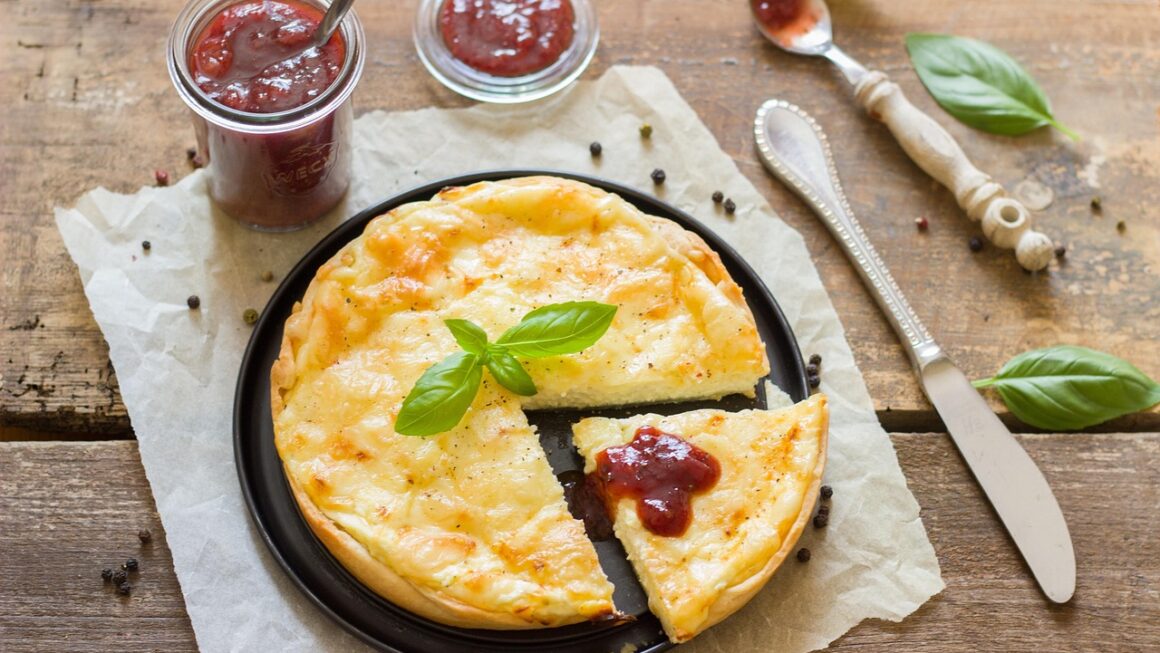
- Frittata or Crustless Quiche: Packed with eggs, cheese, and finely chopped vegetables; great for any meal of the day.
- Actionable Tip: Assemble casseroles in disposable aluminum pans for easy freezing and baking, minimizing cleanup.
Pasta Dishes with Sauce
Pasta is versatile and generally well-loved. Focus on sauces with hidden vegetables and soft pasta types.
- Baked Ziti/Lasagna: Layers of pasta, ricotta cheese, and a meat or vegetable sauce. Ensure pasta is cooked al dente before baking so it doesn’t get mushy when reheated.
- Pasta Primavera with Chicken: Whole wheat pasta with a light sauce and plenty of soft-cooked vegetables like broccoli florets, peas, and carrots.
- Macaroni and Cheese with Hidden Veggies: A comfort food favorite, blend pureed butternut squash or cauliflower into the cheese sauce for extra nutrients.
- Actionable Tip: Cook pasta slightly less than al dente if freezing, as it will soften further upon reheating. Store sauce and pasta separately if possible, or mix just before freezing.
Grain Bowls and Stir-fries (Pre-Prepped Components)
While not a “one-dish” reheat, preparing components in advance makes assembling a fresh, nutritious meal incredibly simple.
- Quinoa Bowls: Cook a large batch of quinoa. Separately roast or steam vegetables (e.g., broccoli, sweet potatoes) and cook a protein (e.g., baked salmon, shredded chicken). Store components separately and combine for quick, customized meals.
- Chicken/Tofu Stir-fry Components: Prepare stir-fry sauce, cook rice, and pre-chop vegetables. Cook chicken/tofu separately. When ready to eat, quickly stir-fry fresh or pre-cooked protein and veggies, then combine with rice and sauce.
- Actionable Tip: Keep separate containers for grains, proteins, and vegetables. This prevents sogginess and allows for mixing and matching.
Tips for Safe and Efficient Reheating
Proper storage and reheating are crucial to ensure food safety and maintain the quality and taste of your reheatable meals for elderly. Safety always comes first.
Proper Storage is Key
- Cool Quickly: Cooked meals should be cooled rapidly within two hours before refrigerating or freezing to prevent bacterial growth. Divide large portions into smaller containers to speed up cooling.
- Airtight Containers: Use high-quality, airtight, BPA-free containers to prevent freezer burn, maintain freshness, and avoid odor transfer. Glass containers are excellent as they are oven and microwave safe.
- Labeling: Clearly label each container with the meal’s name and the date it was prepared. This helps track freshness and ensures proper rotation. Most meals are good in the fridge for 3-4 days and in the freezer for 2-3 months.
Optimal Reheating Methods
- Microwave (Fastest):
- Pros: Quick, convenient, minimal cleanup.
- Cons: Can sometimes dry out food or heat unevenly.
- Tip: Cover food with a microwave-safe lid or damp paper towel to retain moisture. Stir halfway through if possible.
- Oven (Best for Casseroles/Baked Dishes):
- Pros: Heats evenly, maintains texture, good for larger portions.
- Cons: Takes longer, uses more energy.
- Tip: Reheat at 325-350°F (160-175°C) until heated through. Add a splash of broth or water if food seems dry.
- Stovetop (Soups, Stews, Sauces):
- Pros: Allows for stirring and gradual heating, good for adding fresh ingredients.
- Cons: Requires more active supervision.
- Tip: Use a low-medium heat, stirring frequently to prevent sticking and ensure even heating.
Food Safety Guidelines
- Reach Proper Temperature: All reheated food should reach an internal temperature of 165°F (74°C) to kill harmful bacteria. Use a food thermometer if unsure.
- Reheat Once Only: Avoid reheating food multiple times. Prepare single servings to prevent waste and reduce safety risks.
- Discard if Doubtful: If there’s any doubt about a meal’s freshness or proper storage, it’s always safer to discard it.
Meal Prep Strategies for Caregivers and Seniors
Making easy meals for elderly to reheat a regular part of life requires effective meal prep strategies. Whether it’s a caregiver doing the cooking or a senior involved in the process, a good plan makes all the difference.
Batch Cooking for Efficiency
- Designate a Prep Day: Choose one day a week (e.g., Sunday) to cook multiple meals for the upcoming days or weeks.
- Double or Triple Recipes: When cooking, simply double or triple a recipe you know freezes well. For example, if making lasagna, make two and freeze one.
- Cook Versatile Staples: Prepare large quantities of versatile ingredients like cooked chicken, roasted vegetables, or grains (quinoa, brown rice) that can be mixed and matched into various meals.
Smart Ingredient Preparation
- Pre-Chop Vegetables: Wash, peel, and chop vegetables in advance. Store them in airtight containers in the refrigerator, ready to be added to soups, stir-fries, or casseroles.
- Pre-Cook Grains and Proteins: Cooking rice, quinoa, or lentils, and grilling or baking chicken breast ahead of time saves significant cooking steps later.
- Homemade Sauces: Prepare sauces from scratch in larger batches (e.g., marinara sauce, pesto) and freeze them in ice cube trays or small containers.
Portioning and Packaging
- Individual Portions: Always portion meals into single-serving containers after they have cooled. This makes it effortless for seniors to grab and reheat.
- Freezer-Friendly Containers: Invest in quality freezer-safe, microwave-safe, and oven-safe containers. Glass containers are ideal as they transition well from freezer to oven/microwave.
- Organize Freezer/Fridge: Arrange prepped meals neatly in the freezer or fridge, perhaps dedicating a shelf or drawer, to make them easily accessible and visible.
Creating a Meal Plan and Rotation
- Weekly Meal Plan: Develop a simple weekly meal plan that incorporates variety and balances different food groups. This reduces decision fatigue.
- Monthly Rotation: Create a rotating menu for a month to ensure variety and prevent meal fatigue. This also helps with grocery shopping and utilizing ingredients efficiently.
- Involve Seniors: Whenever possible, involve seniors in selecting meals or even simple prep tasks. This fosters engagement and ensures their preferences are met.
Involving Seniors in the Process
- Light Tasks: Even if they can’t do heavy cooking, seniors can help with simple tasks like washing vegetables, stirring, or setting the table. This promotes cognitive function and a sense of purpose.
- Choice and Empowerment: Allow them to choose from a selection of prepared meals. This small act of choice can significantly boost their morale and sense of independence.
- Actionable Takeaway: Regularly review meal preferences and dietary needs with seniors or their healthcare providers to ensure the prepared meals remain suitable and enjoyable.
Conclusion
Providing easy meals for elderly to reheat is more than just a convenience; it’s a fundamental aspect of promoting healthy aging, independence, and peace of mind. By focusing on nutrition, texture, safety, and smart meal preparation, caregivers and seniors alike can benefit from a streamlined approach to daily sustenance. Embracing batch cooking and thoughtful meal planning ensures that delicious, wholesome food is always within reach, supporting the vital energy and nutrients our seniors need to live full and vibrant lives. Take the step today to plan and prepare these essential meals, investing in the health and happiness of our beloved older adults.