Navigating the culinary landscape with a toddler can feel like an Olympic sport. From discerning taste buds that suddenly reject yesterday’s favorite food to the constant battle against limited time, parents often find themselves in a mealtime maze. The good news? Feeding your little one doesn’t have to be a daily struggle. This comprehensive guide is packed with practical, easy toddler meal ideas that are not only nutritious but also quick to prepare, helping you reclaim mealtime sanity while ensuring your child gets all the vital nutrients for healthy growth and development.
Understanding Toddler Nutritional Needs
Before diving into specific recipes, it’s crucial to understand what makes a meal truly beneficial for your rapidly growing toddler. Their nutritional requirements are unique, demanding a balanced intake of macronutrients and micronutrients to fuel their endless energy and support cognitive development.
Macronutrients for Growing Bodies
These are the building blocks that provide energy and support physical development.
- Proteins: Essential for growth, muscle repair, and immune function. Toddlers need about 13 grams of protein daily.
- Examples: Eggs, lean meats (chicken, turkey), fish, beans, lentils, cheese, yogurt.
- Carbohydrates: The primary source of energy, fueling their active bodies and brains. Opt for complex carbohydrates for sustained energy.
- Examples: Whole grain bread, pasta, oatmeal, brown rice, fruits, vegetables.
- Healthy Fats: Crucial for brain development, vitamin absorption, and hormone production.
- Examples: Avocado, olive oil, nuts and seeds (ground or as butter for safety), fatty fish like salmon.
Micronutrients & Portion Sizes
Vitamins and minerals, though needed in smaller amounts, are vital for every bodily function.
- Key Micronutrients: Iron (for blood health), Calcium (for strong bones), Vitamin D (for calcium absorption), and various B vitamins.
- Portion Power: Toddlers have small stomachs, so offer smaller, frequent meals and snacks. A general guideline is about 1 tablespoon of each food type per year of age. For instance, a 2-year-old might have 2 tablespoons of protein, 2 tablespoons of vegetables, etc. Remember, their total daily caloric needs are typically between 1,000-1,400 calories, but this varies greatly based on activity level.
Actionable Takeaway: Prioritize a diverse range of whole foods across all food groups to naturally cover nutritional bases without over-complicating meal planning. Think “rainbow” on their plate!
Quick & Easy Breakfast Ideas
Mornings are often a race against the clock. These easy toddler meal ideas for breakfast are designed to be speedy, nutritious, and often suitable for on-the-go.
Overnight Oats & Chia Puddings
Prepare these the night before for a grab-and-go healthy breakfast. They are customizable and packed with fiber.
- Overnight Oats: Combine rolled oats, milk (dairy or non-dairy), and optional chia seeds in a jar. Refrigerate overnight.
- Flavor Boosters: Mix in mashed banana, berries, a spoonful of nut butter (ensure no allergies), or a sprinkle of cinnamon.
- Chia Puddings: Mix chia seeds with milk and a sweetener (like a tiny bit of maple syrup or mashed fruit). Let it sit in the fridge for a few hours or overnight until thickened.
- Toppings: Fresh fruit, a dollop of yogurt, or a sprinkle of granola.
Speedy Scrambles & Mini Frittatas
Eggs are a protein powerhouse and cook in minutes.
- Cheesy Scrambled Eggs: Whisk 1-2 eggs with a splash of milk and a pinch of cheese. Cook quickly in a non-stick pan.
- Veggie Boost: Finely dice bell peppers, spinach, or mushrooms and sauté them before adding the eggs for added nutrients.
- Mini Frittatas/Egg Muffins: Whisk eggs with desired veggies and cheese, pour into greased muffin tins, and bake at 350°F (175°C) for 12-15 minutes. These are excellent for meal prep and can be frozen.
Fruit & Yogurt Parfaits
A simple, calcium-rich option that toddlers love to help assemble.
- Layering Fun: Alternate layers of plain whole-milk yogurt, fresh berries, sliced banana, and a sprinkle of low-sugar granola.
- Healthy Boost: Add a tablespoon of ground flax seeds or a drizzle of honey (only for children over 1 year old).
Actionable Takeaway: Leverage weekend meal prep to assemble breakfast components like pre-portioned fruit or egg muffins, making weekday mornings significantly smoother.
Lunch & Dinner Solutions for Busy Parents
Midday and evening meals can be the most challenging. These quick toddler recipes prioritize minimal cleanup and maximum nutrition.
One-Pan Wonders
The beauty of one-pan meals is less washing up and simple preparation, making them perfect for busy weeknights.
- Sheet Pan Roasted Chicken & Veggies: Toss bite-sized chicken pieces (or chickpeas for a vegetarian option) with chopped broccoli, sweet potatoes, and bell peppers. Drizzle with olive oil and seasonings (garlic powder, mild paprika). Roast at 400°F (200°C) for 20-25 minutes.
- Sheet Pan Quesadillas: Lay tortillas on a baking sheet, sprinkle with cheese, beans, and finely chopped cooked chicken or veggies. Top with another tortilla and bake until crispy and melted. Cut into wedges for easy toddler handling.
Deconstructed Meals
Picky eaters often prefer foods served separately. These “lunchable” style meals put them in control.
- Toddler Snack Platter: Offer small portions of cheese cubes, whole-grain crackers, cucumber slices, carrot sticks, a hard-boiled egg, and some grapes (halved lengthwise for safety).
- “Build Your Own” Taco/Pizza Bar: Lay out small bowls of cooked ground meat/beans, shredded lettuce, diced tomatoes, shredded cheese, and mini whole-wheat tortillas or pita bread. Let your toddler choose what they want.
Pasta & Sauce Hacks
Pasta is a universal toddler favorite. Make it healthy with these simple modifications.
- Hidden Veggie Sauce: Blend cooked carrots, zucchini, or butternut squash into your tomato sauce for an extra nutrient boost.
- Quick Protein Add-ins: Stir in pre-cooked lentils, ground turkey, or small pieces of cooked chicken directly into the warm pasta sauce.
- Whole Wheat Wonders: Opt for whole wheat pasta to increase fiber content, aiding digestion and providing sustained energy.
Actionable Takeaway: Double batch cooking is your secret weapon. Cook larger quantities of protein or grains (like quinoa or brown rice) to use in multiple meals throughout the week, significantly cutting down on daily prep time.
Smart Snacking & Hydration
Toddlers need frequent snacks to sustain their energy between meals. These should be as nutritious as their main meals.
Nutrient-Dense Snack Options
Avoid empty calories. Focus on snacks that provide vitamins, minerals, fiber, and protein.
- Fruit & Veggie Sticks: Sliced apples, pear, banana, berries, cucumber sticks, bell pepper strips, or steamed green beans.
- Dairy Delights: Cheese sticks, small yogurt cups (plain, whole milk), or cottage cheese.
- Protein Power: Hard-boiled eggs, edamame, or a small handful of whole-grain crackers with hummus.
- Homemade Energy Bites: Blend oats, nut butter, and a touch of fruit/honey (for over 1s), roll into balls, and chill.
The Importance of Hydration
Water is essential for all bodily functions and often overlooked.
- Water is Best: Offer water throughout the day, especially between meals. Keep a fun, accessible water bottle handy.
- Limit Sugary Drinks: Avoid juice, soda, and sports drinks. If offering juice, dilute it heavily with water (e.g., 1 part juice to 3 parts water) and offer in small quantities.
- Milk Moderation: Offer whole milk (for children 1-2 years) or reduced-fat milk (for children over 2) with meals, but limit to about 16-24 ounces per day to ensure they also drink enough water and don’t fill up on milk, potentially displacing other nutrient-rich foods.
Actionable Takeaway: Keep a rotating stock of pre-cut fruits and veggies in the fridge for instant healthy snack options. Make water appealing with fun cups or fruit-infused variations.
Tackling Picky Eaters & Food Refusal
Picky eating is a normal developmental stage for toddlers. It requires patience, consistency, and a few clever strategies.
Exposure & Repetition
It can take many exposures for a toddler to accept a new food.
- Keep Offering: Continue to offer new foods alongside familiar favorites, even if they’re rejected initially. Don’t force them to eat.
- Small Amounts: Offer just a tiny portion of a new food, sometimes simply having it on the plate is enough for exposure.
- Role Modeling: Eat the same foods as your toddler and show them how much you enjoy it. Toddlers often mimic their parents.
Involve Them in the Kitchen
Toddlers are more likely to eat foods they’ve helped prepare.
- Age-Appropriate Tasks: Let them wash vegetables, stir ingredients (with supervision), sprinkle cheese, or tear lettuce.
- Garden-to-Table: If possible, involve them in gardening or choosing produce at the store. Understanding where food comes from can boost interest.
Presentation Matters
Make food fun and appealing to their visual senses.
- Food Art: Arrange food into fun shapes (e.g., toast cut into stars, veggie sticks making a “tree”).
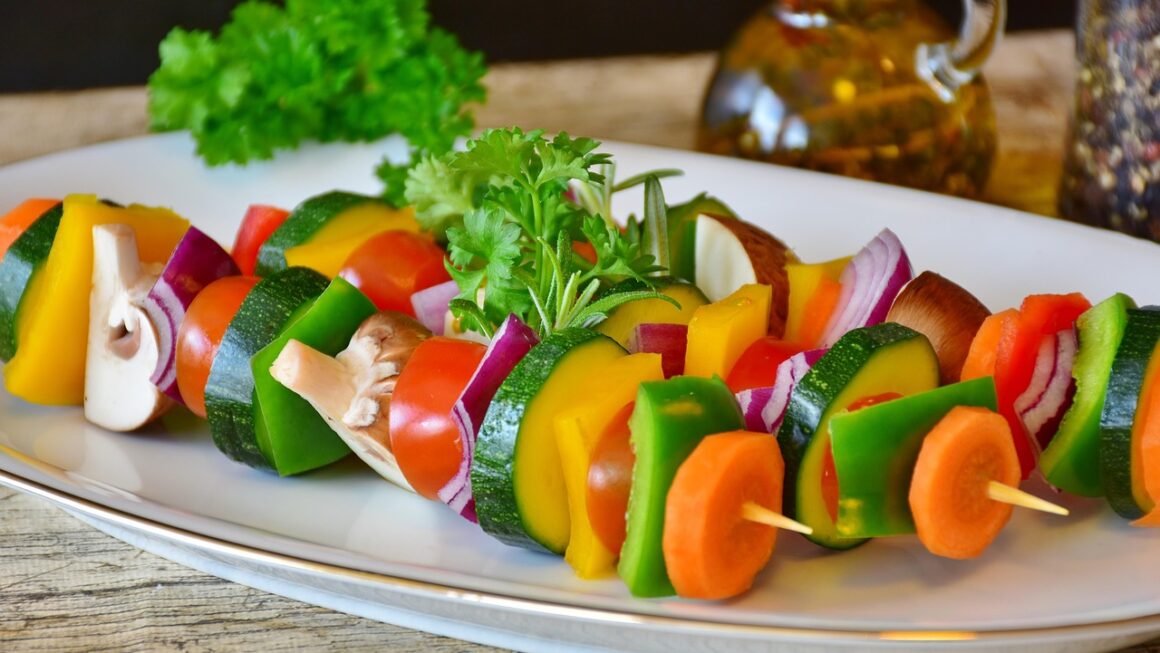
- Colorful Plates: Use a variety of colors from different fruits and vegetables to make the meal visually stimulating.
- Dip It! Offer healthy dips like hummus, guacamole, or plain yogurt with veggie sticks or fruit pieces.
Actionable Takeaway: Adopt a “division of responsibility” approach: you, the parent, decide what, when, and where food is offered; your toddler decides if and how much they will eat. This reduces mealtime pressure for everyone.
Conclusion
Feeding a toddler is an evolving journey, full of triumphs and occasional frustrations. By focusing on simple, nutritious, and easy toddler meals, you can create a positive and stress-free eating environment. Remember that consistency, patience, and a little creativity are your best friends. Embrace the process, celebrate small victories, and know that every balanced meal and thoughtful snack contributes significantly to your child’s health and development. You’ve got this!