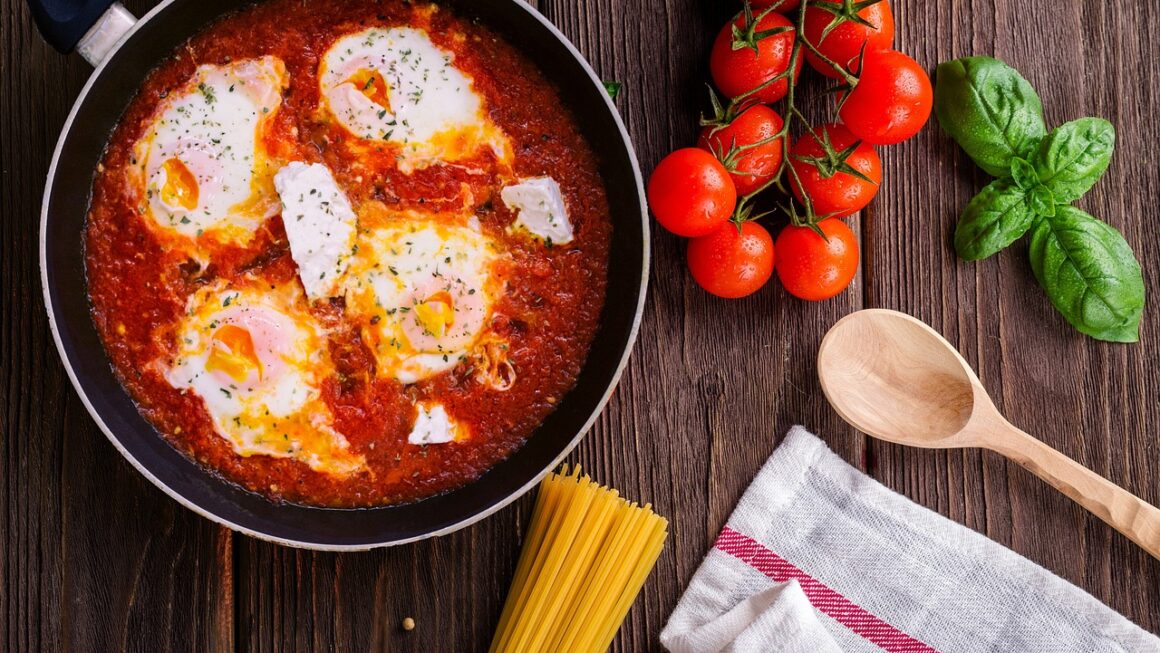

There’s an undeniable magic in comfort food. It’s the warm hug on a cold day, the taste of childhood, and the reliable pick-me-up after a long week. From creamy mac and cheese to hearty stews and decadent desserts, these dishes hold a special place in our hearts and on our plates. But just like any beloved culinary category, comfort food isn’t static; it’s a dynamic landscape constantly evolving with new trends, global influences, and innovative twists. Dive in with us as we explore the latest comfort food news, uncovering how these cherished classics are being reimagined, celebrated, and made more accessible than ever before.
The Enduring Allure and Modern Evolution of Comfort Food
Understanding the Psychology Behind Comfort Eating
Our connection to comfort food runs deep, often rooted in nostalgia and emotional well-being. It’s more than just sustenance; it’s a sensory experience that brings solace and joy.
- Nostalgia Factor: Many comfort foods evoke memories of childhood, family gatherings, or significant life events. The familiar tastes and smells provide a sense of security and belonging.
- Emotional Regulation: Studies suggest that consuming comfort foods can temporarily alleviate negative emotions by triggering the release of feel-good neurotransmitters like dopamine.
- Cultural Identity: For many, comfort food is inextricably linked to their cultural heritage, serving as a culinary expression of identity and tradition.
How Classics Are Getting Contemporary Twists
While the core appeal remains, chefs and home cooks alike are giving traditional comfort dishes a fresh, modern update, often incorporating gourmet ingredients or unexpected flavor profiles. These culinary innovations keep the spirit of classic comfort alive while appealing to modern palates.
- Elevated Ingredients: Think artisanal cheeses in mac and cheese, truffle oil in mashed potatoes, or exotic mushrooms in a classic pot pie. These premium components add depth and sophistication.
- Regional Fusion: Blending techniques or ingredients from different cuisines to create unique, yet comforting, dishes – like Korean BBQ tacos or Italian-Japanese pasta. This expands the definition of comfort.
- Presentation Matters: Even simple dishes are being presented with an emphasis on aesthetics, transforming them into visually appealing culinary experiences worthy of social media.
Actionable Takeaway: Don’t be afraid to experiment with one elevated ingredient in your next comfort food creation. For instance, try using smoked gouda instead of cheddar in your next grilled cheese sandwich for a rich, nuanced flavor.
Global Flavors & Fusion: Comfort Food Without Borders
The Rise of International Comfort Dishes
The global culinary landscape has brought a diverse array of international comfort foods into mainstream popularity, proving that comfort knows no geographic bounds. As travel and cultural exchange increase, so does our appreciation for diverse comfort experiences.
- Ramen & Pho: These rich, savory noodle soups from Japan and Vietnam, respectively, have become global sensations, offering warmth and profound satisfaction with their complex broths and tender ingredients.
- Curries & Stews: From Indian butter chicken to hearty Goulash or a Jamaican oxtail stew, spiced and slow-cooked dishes offer profound comfort through their tender textures and aromatic spices.
- Empanadas & Dumplings: Pockets of deliciousness from Latin America and Asia, filled with savory or sweet ingredients, are universally loved for their handheld convenience and burst of flavor.
Fusion Comfort: Blending Traditions
Chefs are increasingly blending global traditions, creating exciting new comfort food hybrids that tantalize the palate and introduce novel textures and tastes. This fusion approach leads to surprisingly harmonious and deeply comforting dishes.
Practical Examples:
- Kimchi Mac and Cheese: A spicy, tangy twist on a beloved American classic, incorporating fermented Korean cabbage for an umami kick and vibrant color.
- Birria Tacos with Ramen Noodles: The rich, slow-cooked Mexican stew meat served in taco form, sometimes even dipped in the consommé alongside ramen noodles, creating an ultimate savory experience.
- Matcha Tiramisu: An Italian dessert re-imagined with the earthy, vibrant notes of Japanese matcha tea, offering a sophisticated bitter-sweet balance.
Actionable Takeaway: Explore a new international comfort food recipe this week, or try adding a unique spice blend from another culture (e.g., za’atar to roasted vegetables, harissa to a tomato sauce) to your favorite stew for an adventurous twist.
Healthier & Sustainable Comfort: A Modern Imperative
The Demand for Wholesome Indulgence
Consumers are increasingly seeking comfort foods that align with their health goals without sacrificing flavor. This has spurred a wave of innovation in creating ‘better-for-you’ options that still deliver on the promise of satisfaction.
- Reduced Sodium/Sugar: Reformulating recipes to cut down on less healthy components while boosting natural flavors from herbs, spices, and fresh produce.
- Whole Grains & Lean Proteins: Incorporating ingredients like quinoa, brown rice, whole wheat pasta, and lean cuts of chicken or fish to increase fiber and reduce saturated fats.
- Vegetable-Forward: Sneaking in extra vegetables, pureeing them into sauces, or using them as the star of the dish (e.g., cauliflower “mac” and cheese, zucchini lasagna) to boost nutrient content.
The Plant-Based Comfort Food Revolution
The plant-based movement has profoundly impacted comfort food, offering delicious and satisfying alternatives for vegans, vegetarians, and flexitarians who wish to enjoy classic dishes without animal products.
Key Trends:
- Vegan “Meat” Alternatives: Innovative plant-based burgers, sausages, and pulled “pork” that mimic the texture and flavor of traditional meat, now readily available and increasingly convincing.
- Dairy-Free Delights: Coconut milk, cashew cream, and oat milk are transforming classic dishes like creamy soups, gratins, and ice creams into delectable dairy-free versions without compromising on richness.
- Legume & Grain Powerhouses: Lentil shepherd’s pie, black bean burgers, and hearty chickpea stews are becoming go-to comfort foods, offering robust flavor and satisfying protein.
Sustainable Sourcing and Ethical Considerations
Beyond health, the source and impact of our food are gaining prominence. Sustainable comfort food prioritizes ethical sourcing, reduced waste, and environmental responsibility, reflecting a growing consumer consciousness.
- Local & Seasonal: Utilizing ingredients from local farms reduces carbon footprint, ensures freshness, and supports regional economies.
- Nose-to-Tail/Root-to-Stem: Minimizing food waste by using all edible parts of an animal or plant, maximizing resources and reducing environmental impact.
- Fair Trade Practices: Ensuring that ingredients like chocolate, coffee, and spices are sourced ethically, supporting producers and promoting equitable labor practices.
Actionable Takeaway: Try one plant-based comfort food recipe this week, or swap a traditional ingredient for a healthier alternative (e.g., spiralized zucchini noodles for pasta) in your next meal to experience wholesome indulgence.
The Role of Technology and Delivery in Comfort Food Access
The Age of Instant Gratification: Food Delivery Apps
The proliferation of food delivery platforms has fundamentally transformed how we access comfort food, making our favorite dishes available at our fingertips, often within minutes. This convenience has become a cornerstone of modern dining.
- Unprecedented Convenience: Apps like DoorDash, Uber Eats, and Grubhub allow diners to order from a vast array of restaurants, bringing diverse comfort food options directly to their homes with ease.
- Ghost Kitchens & Virtual Brands: Many new culinary ventures focus exclusively on delivery, often specializing in specific comfort food categories (e.g., gourmet grilled cheese, artisanal pizza) without a traditional storefront, optimizing for efficiency.
- Expanded Reach: Rural areas and those with limited restaurant options now have access to a wider variety of comforting meals, bridging geographical gaps in culinary access.
DIY Comfort: Meal Kits and Pre-Prepared Options
For those who enjoy cooking but value convenience, meal kits and high-quality pre-prepared options offer the best of both worlds, enabling homemade comfort with minimal effort and reduced stress.
Benefits of Meal Kits:
- Portion Control: Pre-measured ingredients reduce food waste and simplify meal planning, taking the guesswork out of cooking.
- Recipe Exploration: Introduce cooks to new recipes, ingredients, and cooking techniques for comfort classics, expanding their culinary repertoire.
- Reduced Stress: Eliminates the need for grocery shopping and complex recipe sourcing, making cooking more enjoyable and less of a chore.
Practical Examples:
- Gourmet Mac & Cheese Kits: Companies offer kits with specialty cheeses, pasta, and breadcrumbs for an elevated home-cooked experience, often with unique flavor pairings.
- Pre-Marinated Stew Kits: Ready-to-cook packages with perfectly seasoned meats and vegetables, simplifying slow-cooked comfort and reducing prep time significantly.
- Frozen Artisanal Pizzas: High-quality, flash-frozen pizzas that offer restaurant-level comfort at home with minimal effort, far exceeding standard frozen options.
Actionable Takeaway: Explore a meal kit service that focuses on comfort food (many now offer specific ‘comfort’ categories) or try ordering from a local ghost kitchen specializing in your favorite cozy dish for a convenient and delicious experience.
Comfort Food as an Experience: Dining Out & At Home
The Elevated Comfort Restaurant Trend
Restaurants are increasingly embracing comfort food, not just as a casual offering, but as a central theme, elevating classics into gourmet dining experiences that attract food enthusiasts seeking sophisticated nostalgia.
- Upscale Diners: Modern diners are taking traditional greasy spoon fare and transforming it with high-quality ingredients and sophisticated preparation, offering a refined take on beloved classics.
- Specialty Comfort Eateries: Establishments focusing on one comfort food item, perfecting it, and offering numerous variations (e.g., grilled cheese bars, gourmet burger joints, poutine specialty spots) create unique niche dining experiences.
- Farm-to-Table Comfort: Restaurants sourcing local, seasonal ingredients to create comforting dishes that are fresh, flavorful, and sustainably conscious, blending ethical practices with delicious food.
Cultivating Comfort: The Home Cooking Renaissance
Beyond restaurants, the act of cooking comfort food at home remains a powerful, bonding experience, often enhanced by digital resources and community sharing. Home cooking is experiencing a renaissance as people rediscover its joys and benefits.
- Online Recipe Communities: Platforms like Pinterest, Instagram, and dedicated food blogs are treasure troves for comfort food recipes, tips, and inspiration, fostering a global community of home cooks.
- Cooking Classes (Virtual & In-Person): Learning to master classic comfort dishes or explore new ones through structured classes provides skills, confidence, and a deeper appreciation for the culinary arts.
- Family & Friends Gatherings: Comfort food remains a staple for potlucks, family dinners, and celebratory meals, fostering connection, shared joy, and the creation of new cherished memories.
Actionable Takeaway: Host a comfort food potluck with friends, where everyone brings their favorite cozy dish to share, or try a new cooking technique for a beloved comfort food recipe you make often, like sous-vide short ribs for ultimate tenderness.
Conclusion
From the cherished traditions of our past to the innovative culinary frontiers of the future, comfort food news reveals a vibrant and ever-evolving landscape. It’s a testament to our universal need for sustenance that nurtures both body and soul. Whether you’re seeking healthier alternatives, exploring global flavors, embracing the convenience of delivery, or savoring an elevated dining experience, comfort food continues to adapt and delight. As we move forward, one thing remains clear: the comforting embrace of a familiar dish, however it’s prepared or presented, will always be a cornerstone of our culinary lives. So, go ahead, explore a new recipe, revisit an old favorite, or discover a fresh take on a classic – your taste buds, and your soul, will thank you.