The ketogenic diet has taken the health world by storm, celebrated for its potential benefits in weight loss, energy regulation, and even managing certain health conditions. This high-fat, very low-carb approach requires a strict adherence to macronutrient ratios, leading many to scrutinize every food item they consider adding to their plate. Quinoa, often hailed as a superfood and a healthy grain alternative, frequently finds itself in the spotlight for those transitioning to or maintaining a keto lifestyle. But with its complex nutritional profile, the burning question remains: is quinoa keto-friendly? Let’s dive deep into quinoa’s nutritional facts and how it aligns with the strict carb limits of a ketogenic diet.
Understanding the Ketogenic Diet’s Core Principles
To determine if quinoa fits into a keto plan, it’s essential to first grasp the fundamental principles of the ketogenic diet itself. This eating pattern is designed to shift your body’s primary fuel source from carbohydrates to fats, a metabolic state known as ketosis.
What is Ketosis?
Ketosis is a natural metabolic process where your body, deprived of sufficient glucose from carbohydrates, begins to break down stored fat into molecules called ketones. These ketones then become the main energy source for your brain and body, leading to a host of potential benefits.
Macronutrient Ratios on Keto
Achieving and maintaining ketosis requires a specific distribution of macronutrients:
- High Fat: Approximately 70-80% of your daily caloric intake.
- Moderate Protein: Around 15-25% of your daily calories. Too much protein can be converted into glucose (gluconeogenesis), potentially kicking you out of ketosis.
- Very Low Carbohydrate: Typically 5-10% of your daily calories, which usually translates to 20-50 grams of net carbs per day.
The strict carb limit is the most critical factor here. Every food item must be evaluated against this daily allowance to ensure you remain in ketosis.
Why Carb Restriction is Crucial
Carbohydrate restriction is the cornerstone of the ketogenic diet. When you significantly reduce your carb intake, your body depletes its glycogen stores and then turns to fat for energy. Even seemingly small amounts of carbohydrates can accumulate quickly and prevent your body from entering or staying in ketosis. Therefore, understanding the carb content of any food, especially those perceived as “healthy,” is paramount for keto success.
Actionable Takeaway: Always prioritize tracking your net carb intake diligently. This is the single most important metric for staying in ketosis.
Quinoa: A Nutritional Powerhouse Overview
Quinoa, often mistaken for a grain, is actually a pseudo-cereal, a seed that is prepared and eaten much like a grain. Originating in the Andes, it has been a staple food for centuries and has gained global popularity due to its impressive nutritional profile.
Origin and Common Uses
Quinoa comes from the goosefoot plant and is related to spinach and beets. It’s often used as a rice substitute, in salads, soups, and even for breakfast porridges. Its versatility and slightly nutty flavor make it a popular choice for health-conscious individuals.
Nutritional Profile of Quinoa
Quinoa is celebrated for being a complete protein, meaning it contains all nine essential amino acids. Beyond protein, it’s packed with various nutrients:
- Protein: High-quality protein, making it excellent for vegetarians and vegans.
- Fiber: Rich in dietary fiber, which aids digestion and promotes satiety.
- Vitamins: A good source of B vitamins (B1, B2, B3, B6, folate) and vitamin E.
- Minerals: Abundant in essential minerals like magnesium, iron, zinc, potassium, and phosphorus.
- Antioxidants: Contains several antioxidants, including quercetin and kaempferol.
While these attributes sound incredibly healthy, the critical factor for a ketogenic diet is its carbohydrate content.
Focus on Quinoa’s Carbohydrate Content
Despite its many benefits, quinoa is naturally rich in carbohydrates. A single serving can contribute significantly to your daily carb allowance. For example:
- 1 cup (185 grams) of cooked quinoa typically contains:
- Total Carbohydrates: Approximately 39.4 grams
- Dietary Fiber: Approximately 5.2 grams
Actionable Takeaway: Quinoa offers exceptional nutritional value for a general healthy diet, but its inherent carbohydrate load immediately raises a red flag for strict ketogenic dieters. Always check the serving size and its corresponding carb count.
Quinoa’s Carb Count: The Keto Dealbreaker?
Now that we understand both the keto diet’s carb limits and quinoa’s nutritional profile, let’s put them together to answer the central question: is quinoa keto?
Calculating Net Carbs
On a ketogenic diet, “net carbs” are what truly matter. Net carbs are calculated by subtracting the fiber content from the total carbohydrates, as fiber is a type of carbohydrate that your body doesn’t digest or absorb for energy.
- For 1 cup (185g) cooked quinoa:
- Total Carbs: ~39.4g
- Fiber: ~5.2g
- Net Carbs: 39.4g – 5.2g = ~34.2 grams
Comparing Quinoa’s Net Carbs to Keto Limits
As established, the typical daily net carb limit for a ketogenic diet ranges from 20-50 grams, with many aiming for the lower end to ensure deep ketosis. Considering that just one cup of cooked quinoa contains over 34 grams of net carbs, it becomes clear why it’s generally considered not keto-friendly for most people.
Even a smaller portion, such as half a cup of cooked quinoa, would still contain approximately 17 grams of net carbs. For someone aiming for 20 grams of net carbs per day, half a cup of quinoa would consume almost their entire daily allowance, leaving little to no room for other nutrient-dense vegetables or incidental carbs from other foods.
The Verdict: Is Quinoa Keto?
In short, for those strictly adhering to a ketogenic diet (typically under 20-30g net carbs per day), quinoa is not keto-friendly. Its high net carb content makes it incredibly difficult to stay within daily limits and maintain ketosis.
Actionable Takeaway: While quinoa is undeniably healthy, its carbohydrate load is simply too high for a standard ketogenic diet. Prioritize foods with significantly lower net carb counts to ensure you remain in ketosis.
Can You Have Quinoa on a “Lazy Keto” or “Low Carb” Diet?
While strict keto usually means minimal quinoa, the flexibility of other low-carb approaches might offer a sliver of hope for quinoa lovers.
Differentiating Between Strict Keto and Other Low-Carb Approaches
Not all low-carb diets are the same:
- Strict Ketogenic Diet: Aiming for deep ketosis, typically 20-30g net carbs/day. Quinoa is generally out.
- Lazy Keto: Less strict about tracking every macronutrient, but still aims for low carbs, often without precise counting, trusting intuition. Carb limits might still be similar to strict keto.
- Moderate Low-Carb: Carb intake might be 50-100g net carbs/day. This is a significant step down from standard American diets but often not enough to maintain deep ketosis.
- Liberal Low-Carb: Carb intake might be 100-150g net carbs/day. This is more about reducing refined carbs than achieving ketosis.
Portion Control and Individual Carb Tolerance
If you’re following a moderate or liberal low-carb diet (e.g., aiming for 50-100g net carbs per day), a very small portion of quinoa might be occasionally incorporated. For example, a 1/4 cup serving of cooked quinoa would contain around 8.5g net carbs. This could be part of a larger meal, but it would still require careful planning and carb tracking for the rest of the day.
Individual carb tolerance also plays a role. Some individuals might be able to tolerate slightly more carbs and remain in a lighter state of ketosis, but this is highly variable and often requires consistent testing (blood, urine, or breath ketones) to confirm.
Practical Tips for Incorporating Small Amounts (if your carb limit allows)
If your personal carb threshold is higher than the standard keto limit, and you truly want to enjoy quinoa:
- Measure precisely: Never eyeball it. Use measuring cups for cooked quinoa.
- Prioritize other nutrients: Pair a tiny amount of quinoa with a large portion of non-starchy vegetables and a good source of fat and protein.
- Consider it a treat: Don’t make it a daily staple. Save it for occasional meals.
- Monitor your body: Pay attention to how you feel, your energy levels, and if you are still meeting your health goals.
Actionable Takeaway: For most strict keto followers, quinoa is off-limits. However, if you’re on a less restrictive low-carb diet and your carb allowance is higher, a very small, carefully measured portion might be acceptable on rare occasions, provided you meticulously track your net carbs for the entire day.
Keto-Friendly Alternatives to Quinoa
If quinoa is out of the picture for your keto journey, don’t despair! There are many delicious and nutritious low-carb alternatives that can provide similar texture, bulk, and nutrients without derailing your ketosis.
Rice Substitutes
These alternatives mimic the texture of cooked grains and can be used in stir-fries, bowls, or as a side dish.
- Cauliflower Rice: This is by far the most popular and versatile keto rice substitute. It’s incredibly low in carbs, mild in flavor, and can be easily prepared by grating or pulsing cauliflower florets in a food processor.
- Practical Example: Use riced cauliflower as the base for a keto “burrito bowl” or as a side with curries.
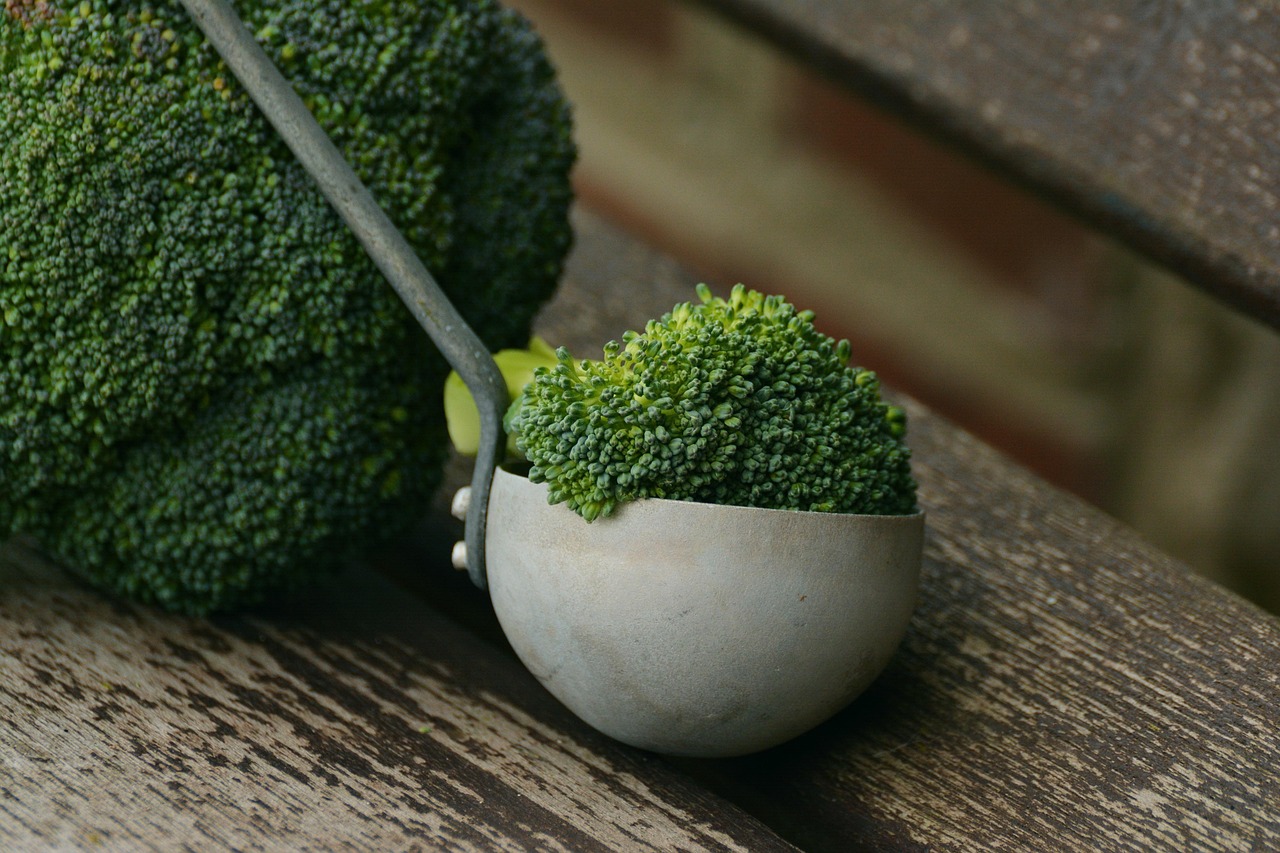
- Broccoli Rice: Similar to cauliflower rice, but with a slightly stronger flavor. It’s also very low in carbs and high in nutrients.
- Practical Example: Mix broccoli rice with herbs and butter for a flavorful side dish.
- Shirataki Rice: Made from konjac root, shirataki rice is virtually carb-free and calorie-free. It has a neutral taste and a slightly chewy texture.
- Practical Example: Rinse well and dry-fry before adding to Asian-inspired dishes or soups.
- Hearts of Palm Rice: Made from the inner core of palm trees, this alternative is firm, mild, and excellent for texture.
- Practical Example: Great in cold salads or lightly sautéed.
Nut and Seed Alternatives for Fiber and Protein
While not a direct texture match for quinoa, these options offer similar nutritional benefits in terms of protein and fiber with much lower net carbs.
- Hemp Seeds (Hemp Hearts): High in protein, healthy fats (omega-3s), and fiber, with very low net carbs. They have a mild, nutty flavor.
- Practical Example: Sprinkle on salads, add to smoothies, or use in keto baking.
- Chia Seeds: Packed with fiber, omega-3s, and protein. When soaked, they form a gel, which is great for puddings.
- Practical Example: Make keto chia pudding for breakfast or a snack.
- Flax Seeds (Ground): Excellent source of fiber and omega-3s.
- Practical Example: Use in keto bread recipes, as an egg replacer, or sprinkle on yogurt.
Actionable Takeaway: Embrace these keto-friendly alternatives to enjoy satisfying textures and boost your nutrient intake without exceeding your carb limits. Experiment with different options to find your favorites!
Conclusion
When evaluating “is quinoa keto,” the answer for strict adherents of the ketogenic diet is a resounding no. While quinoa is an undeniably healthy, nutrient-dense food, its carbohydrate content, at over 34 grams of net carbs per cooked cup, far exceeds the typical daily limit for maintaining ketosis. Consuming even a small portion would likely derail your efforts to stay in a fat-burning state.
However, for those following a less restrictive low-carb diet with a higher daily carb allowance, a very small, carefully measured portion might occasionally fit into their macros. But it requires diligent tracking and a clear understanding of personal carb tolerance.
Fortunately, the world of keto-friendly foods offers an abundance of delicious and versatile alternatives, such as cauliflower rice, broccoli rice, and various seeds like hemp and chia. These substitutes allow you to enjoy similar textures and nutritional benefits without compromising your ketogenic goals.
Ultimately, making informed dietary choices is key to successful keto living. By understanding the carb counts of foods and exploring suitable alternatives, you can continue to enjoy a varied and satisfying diet while reaping the benefits of ketosis.