In our fast-paced world, finding time for family meals can be a challenge, and the thought of teaching kids to cook might seem daunting. However, empowering children in the kitchen with easy, kid-friendly recipes isn’t just about meal preparation; it’s about building essential life skills, fostering independence, and creating unforgettable memories. Imagine your child proudly presenting a meal they helped make, or confidently whipping up their own healthy snack. This comprehensive guide will show you how to transform mealtime into an engaging, educational, and delicious adventure, proving that easy meals for kids to make are closer than you think.
## Why Empower Kids in the Kitchen?
Involving children in the process of cooking offers a smorgasbord of benefits that extend far beyond simply getting food on the table. It’s an investment in their development, health, and future independence.
### Building Essential Life Skills
- Practical Cooking Skills: From measuring and mixing to understanding heat, kids learn fundamental kitchen techniques that will serve them for a lifetime.
- Academic Reinforcement: Cooking naturally integrates math (measuring, fractions), reading (following recipes), and science (understanding reactions like baking soda with vinegar).
- Responsibility & Independence: Assigning age-appropriate tasks teaches children to take ownership and boosts their confidence in their abilities.
### Fostering Healthy Eating Habits
- Picky Eaters Solutions: Children are significantly more likely to try and enjoy foods they have helped prepare. Letting them choose ingredients and be part of the process can be a game-changer for picky eaters.
- Ingredient Awareness: Hands-on experience helps kids understand where food comes from and how different ingredients contribute to a balanced diet, promoting healthier food choices.
### Boosting Confidence & Creativity
- Sense of Accomplishment: Successfully creating a dish, even a simple one, gives children a profound sense of pride and competence.
- Encourages Experimentation: The kitchen becomes a laboratory for creativity, allowing kids to experiment with flavors and textures in a safe environment.
### Quality Family Time
- Strengthens Bonds: Cooking together provides a relaxed, collaborative environment for conversation and connection, away from screens and daily distractions.
- Creates Memories: These shared experiences become cherished family memories, filled with laughter, learning, and delicious outcomes.
Actionable Takeaway: Start small! Even having your child wash vegetables or stir a bowl can initiate these vital learning experiences. According to a recent survey, families who cook together report higher levels of family bonding and communication.
## Essential Kitchen Safety for Young Chefs
Before the fun begins, establishing a safe kitchen environment is paramount. Teaching kids about safety not only protects them but also instills good habits for a lifetime of cooking.
### A Parent’s Role: Supervision & Guidance
- Age-Appropriate Tasks: Match tasks to your child’s developmental stage. Toddlers can wash veggies, preschoolers can stir, school-aged kids can measure, and older children can handle more complex tasks with supervision.
- Clear Rules: Establish boundaries, such as “always ask before touching the stove” or “knives are for grown-ups unless I’m right next to you.”
### Knife Skills (Age-Appropriate)
- Start Simple: Begin with plastic or butter knives for softer foods like bananas or cooked potatoes.
- Progress Gradually: As skill and maturity grow, introduce child-safe knives or demonstrate proper technique with a paring knife under strict supervision. Always teach them to cut away from their body and use a “claw” grip to protect fingers.
### Heat Safety
- Oven & Stove Top: Teach children to always use oven mitts, never reach over hot burners, and understand which parts of the stove are hot. Constant supervision is crucial when heat is involved.
- Microwave: Explain the dangers of steam and hot dishes. Teach them how to safely open the door and remove heated items using oven mitts or a towel.
### Hygiene Habits
- Hand Washing: Make thorough hand washing with soap and water before and after handling food a non-negotiable rule.
- Clean Surfaces: Teach the importance of wiping down countertops and washing utensils to prevent cross-contamination.
Actionable Takeaway: Invest in a few child-friendly kitchen tools, like a safety knife set or kid-sized apron. Demonstrate each safety rule clearly and consistently, making it part of the routine.
## No-Cook Wonders: Super Simple Starts for Little Hands
No-cook recipes are the perfect entry point for young children, building confidence without the risks associated with heat. These easy meals for kids to make require minimal adult intervention.
### Creative Sandwiches & Wraps
Let kids build their own masterpieces with a variety of fillings.
- Rainbow Wraps: Lay out whole wheat tortillas, cream cheese or hummus, and an array of colorful, pre-cut veggies (shredded carrots, spinach, bell peppers). Kids can spread, arrange, and roll.
- Deconstructed Sandwiches: Offer bread, lunch meat, cheese, and various toppings. Kids can cut shapes with cookie cutters and assemble.
Practical Tip: Pre-chop ingredients and arrange them in small bowls for an inviting “build-your-own” station. This encourages independence and creative expression.
### Fruit & Veggie Art
Making healthy eating fun and visually appealing!
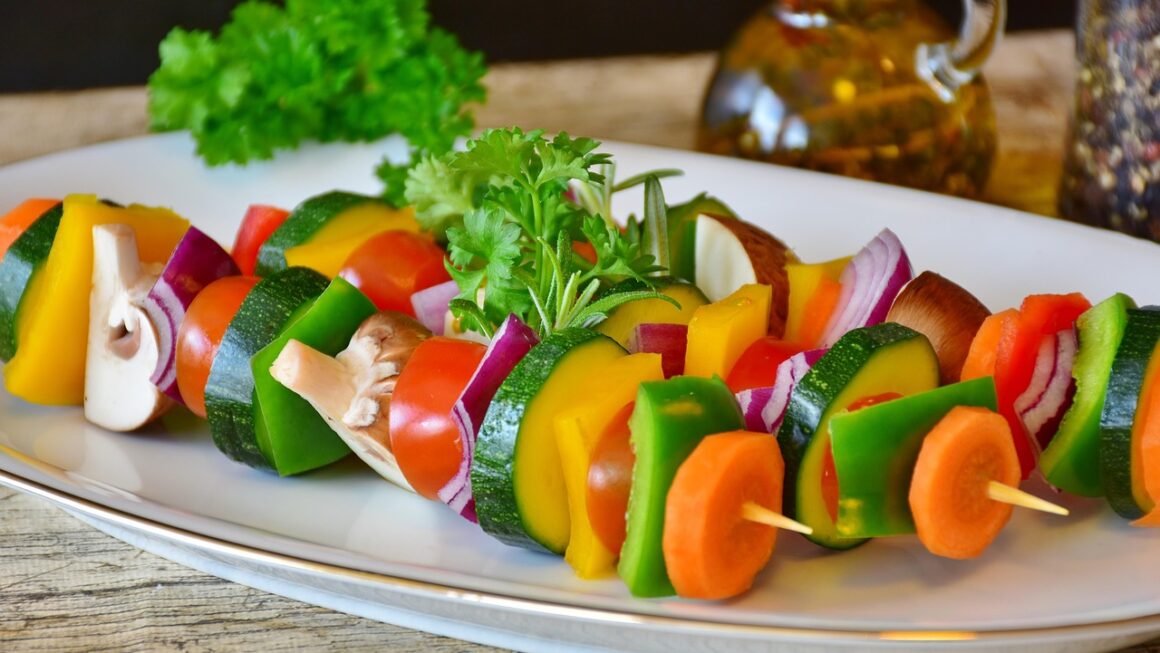
- Fruit Skewers: Provide bowls of various soft fruits (berries, banana slices, melon cubes) and blunt skewers. Kids can thread their own colorful creations.
- Ants on a Log: Celery sticks, peanut butter (or sunflower seed butter), and raisins – a classic for a reason! Kids can spread the butter and place the “ants.”
Practical Tip: Use cookie cutters to make fun shapes out of melon, cheese, or even cucumbers, turning simple ingredients into edible art.
### Yogurt Parfaits & Smoothies
Delicious and nutritious, these are fantastic for breakfast or a healthy snack.
- Layered Parfaits: Set out yogurt, granola, and fresh berries. Kids can layer them in clear glasses, seeing their creation come to life.
- Simple Smoothies: Pre-measure fruit (frozen bananas, berries), a splash of milk or yogurt, and a scoop of spinach. Kids can add ingredients to the blender (with supervision for operation) and press the button.
Practical Tip: For smoothies, pre-baggie individual portions of frozen fruit for quick, grab-and-blend convenience. Teach kids how to safely put on the blender lid before starting.
Actionable Takeaway: Focus on colorful, varied ingredients to make no-cook meals exciting. Let children choose combinations to empower their decision-making skills.
## Warming Up to Cooking: Microwave & Toaster Oven Tasks
Once kids are comfortable with no-cook options, the microwave and toaster oven offer a safe, supervised step up, introducing them to controlled heat sources for simple kid-friendly recipes.
### Quick & Easy Quesadillas
A versatile and satisfying meal that’s ready in minutes.
- Place a tortilla on a microwave-safe plate or in a toaster oven.
- Sprinkle with shredded cheese and any desired fillings (pre-cooked chicken, black beans, corn).
- Microwave for 30-60 seconds (until cheese is melted) or toast in a toaster oven for 2-4 minutes until golden and bubbly.
- Let cool slightly before cutting into wedges.
Practical Tip: Show kids how to use a pizza cutter (safely) to cut the quesadilla into easy-to-handle triangles. Serve with pre-made salsa or guacamole.
### Baked Potatoes & Sweet Potatoes
A hearty and customizable meal that’s both nutritious and fun to prepare.
- With adult supervision, pierce a potato several times with a fork.
- Microwave for 5-10 minutes (depending on size) until soft.
- For crispier skin, transfer to a toaster oven and bake at 400°F (200°C) for 10-15 minutes.
- Once cooked and cooled slightly, kids can slice it open and add their favorite toppings (shredded cheese, sour cream, chives, chili).
Practical Tip: Offer a “baked potato bar” with a variety of toppings, encouraging kids to experiment with different flavor combinations for their healthy kids meals.
### Speedy Scrambled Eggs (Microwave Method)
A fantastic way for kids to make their own breakfast or a quick snack.
- Crack 1-2 eggs into a microwave-safe mug or bowl.
- Add a splash of milk and a pinch of salt and pepper.
- Whisk with a fork until well combined.
- Microwave on high for 30 seconds, stir, then microwave for another 30 seconds, stirring again. Repeat until eggs are cooked through but still moist.
Practical Tip: Teach kids to undercook slightly and then let residual heat finish the cooking process. Show them how to add a sprinkle of cheese or a dash of hot sauce (if they like it) at the end.
Actionable Takeaway: Emphasize the importance of using oven mitts and checking food temperatures. These simple skills build a solid foundation for more complex cooking.
## Simple Stove-Top & Oven Adventures: Graduating to Greater Skills
For older children (typically 8+ with close supervision), introducing the stove-top and conventional oven opens up a world of new culinary possibilities. These fun recipes for kids focus on foundational techniques.
### One-Pan Dinners (Sheet Pan Meals)
Minimal cleanup and maximum flavor, perfect for busy family dinners.
- Kids can help chop (supervised with a knife) vegetables like broccoli, bell peppers, and zucchini.
- Toss vegetables and a protein (chicken sausage, pre-cooked chicken pieces, tofu) with olive oil and their favorite seasonings (garlic powder, Italian herbs).
- Spread evenly on a baking sheet.
- Bake at 400°F (200°C) for 20-30 minutes, or until vegetables are tender and protein is heated through.
Practical Tip: Encourage kids to experiment with different spice blends. This is an excellent way to introduce them to various global flavors and expand their palate for family cooking.
### Pasta Perfection
A foundational meal that teaches important boiling and stirring techniques.
- With careful adult supervision, kids can add dried pasta to boiling water (ensure they understand the dangers of splattering hot water).
- Teach them to stir occasionally to prevent sticking.
- Once cooked, an adult should drain the pasta safely.
- Kids can then stir in a pre-made marinara sauce, pesto, or a simple butter and parmesan cheese mixture.
Practical Tip: Emphasize standing back when draining hot water. Let them measure the pasta before cooking to practice portion control.
### Homemade Pizza Night
A favorite that allows for endless creativity and a delicious outcome.
- Start with store-bought pizza dough or pre-made crusts. Kids can help stretch the dough (if using raw dough).
- Spread tomato sauce evenly over the crust.
- Add shredded mozzarella cheese and their choice of toppings (pepperoni, mushrooms, olives, bell peppers).
- An adult will place the pizza in a preheated oven (usually 400-425°F or 200-220°C) and bake according to package directions, typically 12-18 minutes.
Practical Tip: Make it a weekly tradition! Having a “pizza night” where kids are in charge of toppings can be a highlight of their week and a great example of simple kid-friendly recipes.
Actionable Takeaway: Always prioritize supervision when using the stove or oven. These experiences build confidence and mastery of more complex culinary skills.
## Conclusion
Empowering children to create their own easy meals for kids to make is one of the most valuable gifts you can give them. From mastering no-cook snacks to navigating the stove-top with supervision, each culinary adventure builds confidence, fosters independence, and lays the groundwork for a lifetime of healthy eating habits. Embrace the messes, celebrate the successes, and enjoy the precious moments of cooking with children. By starting small, staying patient, and making it a joyful shared experience, you’re not just feeding your family; you’re nurturing future chefs and creating lasting memories. So, tie on those aprons, gather your ingredients, and embark on your next delicious kitchen adventure together!